Behind the Click Podcast with Philippe Padrock: Turning delivery from anxiety to advantage
Written by
Editorial TeamPublished on
Discover how Karla’s co-founder Phillippe Padrock turns e-commerce delivery from a source of frustration into a moment of loyalty and profit. In this Behind the Click episode, he reveals why brands must reclaim the post-purchase journey and how proactive communication transforms “Where’s my order?” into customer delight.
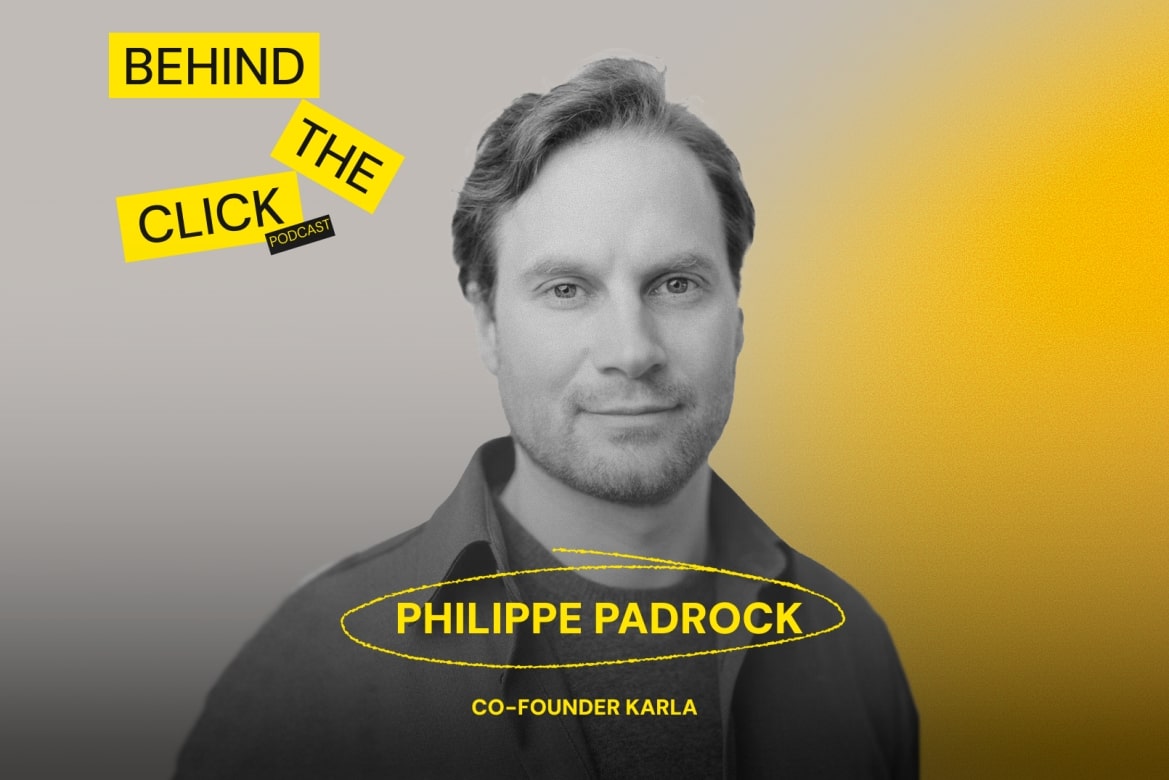
In this episode of Behind the Click, powered by E-commerce Berlin Expo, host Janine Vanessa Heinrich sits down with Phillippe Padrock, co-founder of the startup Karla, to talk about a part of e-commerce that most brands still overlook: what happens after the customer clicks “buy.” Padrock believes that the post-purchase journey, usually a source of frustration and uncertainty, can actually become one of the most powerful tools to build customer trust, increase engagement, and even generate additional sales.
As Padrock explains, most brands pour their attention into convincing customers to make a purchase, but once the order is placed, communication tends to go silent. “It’s like you’re dropped like a hot potato after checkout,” he says. For customers, this often means days of anxious waiting and refreshing tracking links. For brands, it means a missed opportunity to stay connected at a moment when attention and emotion are at their highest.
Padrock compares this gap to the smooth transparency of food delivery or ride-hailing apps. When you order an Uber or a pizza, you can see every stage — even if it’s only a symbolic progress bar. That visible movement, he notes, provides a “peace of mind” that e-commerce deliveries still lack.
Personal frustrations sparked an idea
The concept for Karla came from Padrock’s and his co-founder’s own experiences. When they lived together in Berlin, his roommate ordered a mattress that never arrived, leaving him to sleep on a couch for weeks. Later, Padrock realized that many of his own online orders ended up as unintended returns because delivery updates were confusing or incomplete. He remembers discovering parcels dropped at lockers or with neighbors -often without any clear notification. Those repeated frustrations made it obvious that something was missing between the shop, the carrier, and the customer: clear, timely communication.
Despite the obvious need, most e-commerce brands still treat the delivery process as something that’s out of their control. Once an order is handed to a courier, many assume their job is done. As Padrock puts it, the industry has simply “got used to” this way of working. Carriers send standard emails and updates, and customers have learned to accept them. Meanwhile, marketing teams turn their attention elsewhere – to newsletters, retargeting campaigns, or customer reactivation after delivery – ignoring the high-engagement window that happens during shipping.
Taking back control of the delivery journey
Karla’s mission is to give that control back to brands. The startup’s system connects directly with a store’s existing e-commerce platform and mailing tools. It links every order to its tracking ID, collects updates from the carriers, and then replaces the carrier-branded emails with the brand’s own messages. Instead of customers receiving updates from DHL, UPS, or FedEx, they receive them from the shop they actually bought from – written in the brand’s tone and style.
This change may sound simple, but it has powerful results. Delivery emails have open rates of 70–90%, far higher than any standard newsletter, because customers actively want the information they contain. When these emails include a “track your order” button that leads back to the store’s website rather than the carrier’s page, around 60% of customers revisit the brand’s site during the delivery period. That creates a rare moment of attention and trust – one that brands can use to their advantage.
When deliveries go wrong
Of course, even the most proactive communication can’t stop every problem. Packages get delayed, damaged, or lost. But Padrock insists that how a brand responds in those moments defines the customer relationship. Instead of waiting for the dreaded “Where’s my order?” email, Karla enables shops to act first – sending an apology, explaining the issue, and offering a voucher or small gift alongside a replacement.
For customers who discover issues after delivery, the tracking page also becomes a self-service tool. There’s no need to talk to a chatbot or dig up order numbers. Because Karla’s system already knows the customer’s details, order contents, and tracking history, the shopper can report a problem with just a few clicks and even upload photos of damaged products. In minor cases, the replacement can be approved automatically, turning what could have been a frustrating experience into one that feels surprisingly smooth and personal.
Building loyalty through care
Over time, these small, thoughtful interactions compound. In long-term A/B tests, brands using Karla’s system saw higher repeat purchases and stronger retention compared to those sticking with standard carrier updates. Padrock gives the example of supplement brand where quick, empathetic handling of damaged-product cases not only prevented complaints but even generated positive reviews. When customers feel cared for – even when something goes wrong – their trust deepens.
A new way to think about delivery
What Padrock’s conversation on Behind the Click ultimately reveals is a shift in mindset. Delivery doesn’t have to be a nerve-wracking waiting game or a pure cost of doing business. When handled with care, communication, and creativity, it becomes a key stage of the customer experience – one that strengthens relationships, reduces support load, and creates new revenue. For e-commerce brands, the post-purchase journey is no longer the end of the funnel. It’s the beginning of loyalty.
To hear interview with Phillippe in full, in his own voice and with all the nuance that can’t fit on a page, watch the complete episode of Behind the Click:
You can also listen to the episode on the Spotify or Apple Podcasts.