Black Friday then and now: how Black Friday in e-commerce evolved (2020-2025)
Discover how Black Friday transformed from in-store chaos to seamless online experiences. Explore five years of e-commerce evolution, payment innovation, and digital strategy behind the world’s biggest shopping day.
Black Friday used to be about lines at dawn and carts crashing into each other in crowded aisles.
Fast-forward five years, and the scene looks completely different.
E-commerce took the lead, powered by tech players that turned the chaos into choreography.
From the pandemic surge of 2020 to the inflation-aware strategies of 2025, service providers have quietly shaped how we shop and pay.
This story isn’t only about discounts. It’s about the systems behind the screen: payment rails and personalization tools that transformed Black Friday into a global digital stage.
Let’s have a look at how Black Friday has been evolving for the past 5 years, and who’s behind these changes.
Black Friday 2020: the online shopping boom
2020 flipped Black Friday on its head. Stores stayed silent. Malls echoed empty. But across screens? Noise. A boom. Carts clicked alive on mobile and desktop alike.
Shopify: the stage where the show began
Shopify stole the moment. Its merchants hit a record $2.4 billion in sales on that one Friday: an eye-watering 75% leap from 2019. By early morning EST, storefronts powered by Shopify had already sailed past $1 billion.
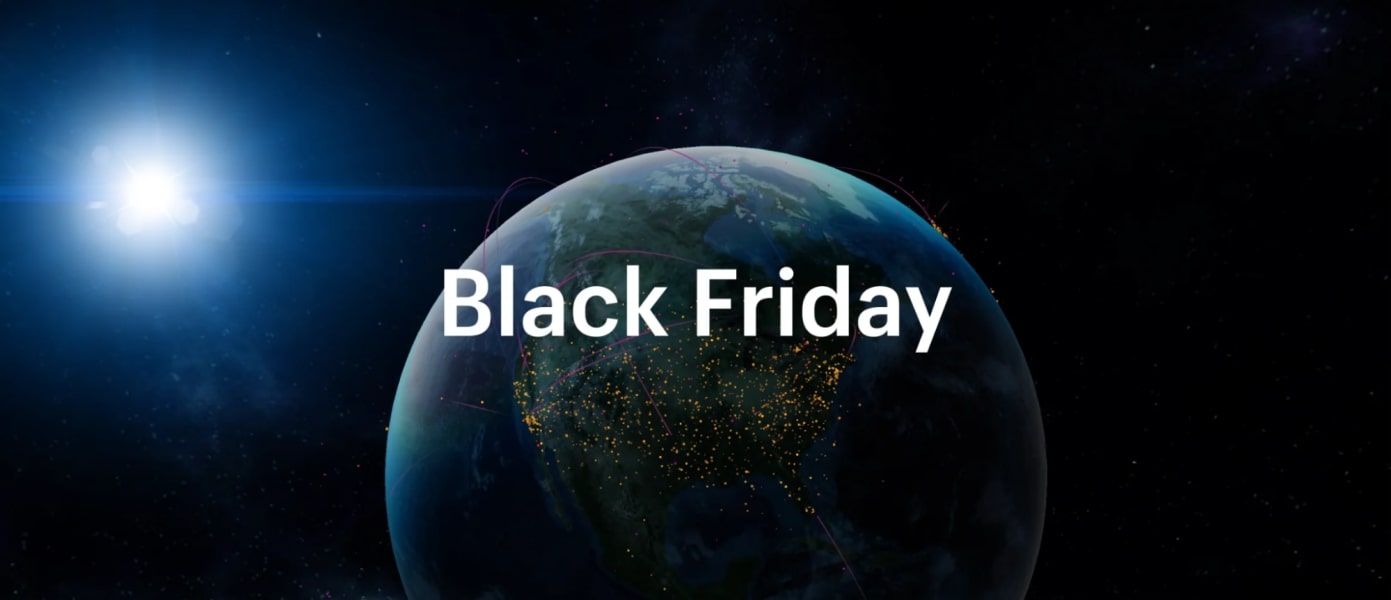
Outside the U.S., heat mapped in cities like London and Los Angeles, with mobile accounting for about two-thirds of traffic. Cart sizes averaged $90.70. Cross-border orders made up 14%, and Shopify actually offset 20,000+ tonnes of carbon from those deliveries – retail with a green heart.
Plus, its BFCM Live Map turned commerce into front-page news.
Over a million merchants showed global sales ticking in real time: “sales per minute,” “orders per minute,” even carbon offset stats flashed on screen. It felt less like a sale and more like a digital heartbeat.
Behind the scenes, Shopify’s own growth was stratospheric. Revenue and operating income leapt, riding the wave of accelerated e-commerce adoption during COVID, even as the world paused. Quickly, merchants who never thought about online sales got set up, and fast.
Stripe: the silent cashier behind the surge
Behind every Shopify cart ringing up billions, Stripe sat like a silent cashier, swiping away friction at scale. The numbers spoke loudly: payment volume rocketed from $150 billion in 2019 to $350 billion in 2020.
What made it work? Stripe had spent years building an arsenal that clicked into place when the world rushed online. Checkout, its ready-made payment form, gave merchants a fast track to conversions. No messy coding, no broken fields – just a page that resized itself perfectly on mobile, flashed real-time error checks, and spoke the shopper’s language in over 30 translations.
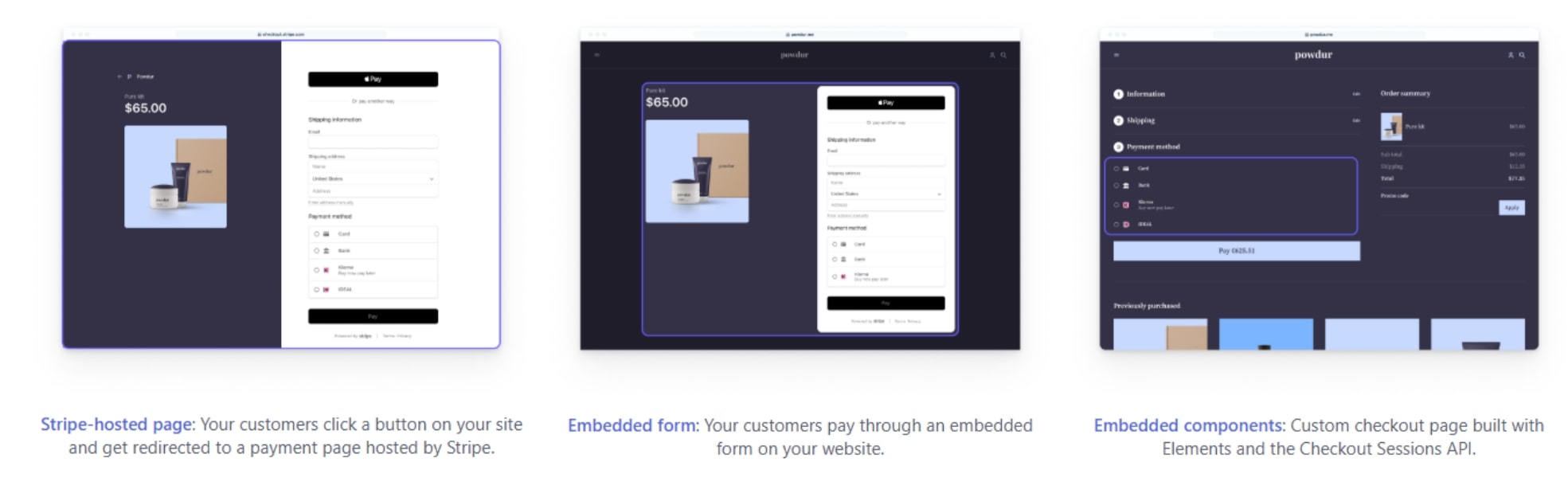
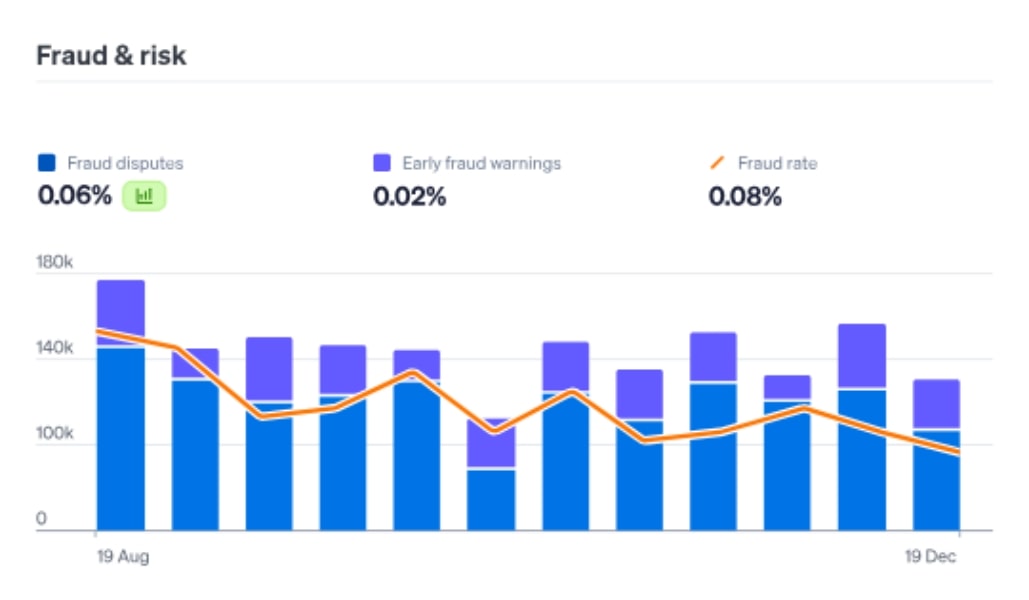
For brands worried about fraud in a year full of new online buyers, Radar ran in the background, sniffing out suspicious activity before it poisoned campaigns.
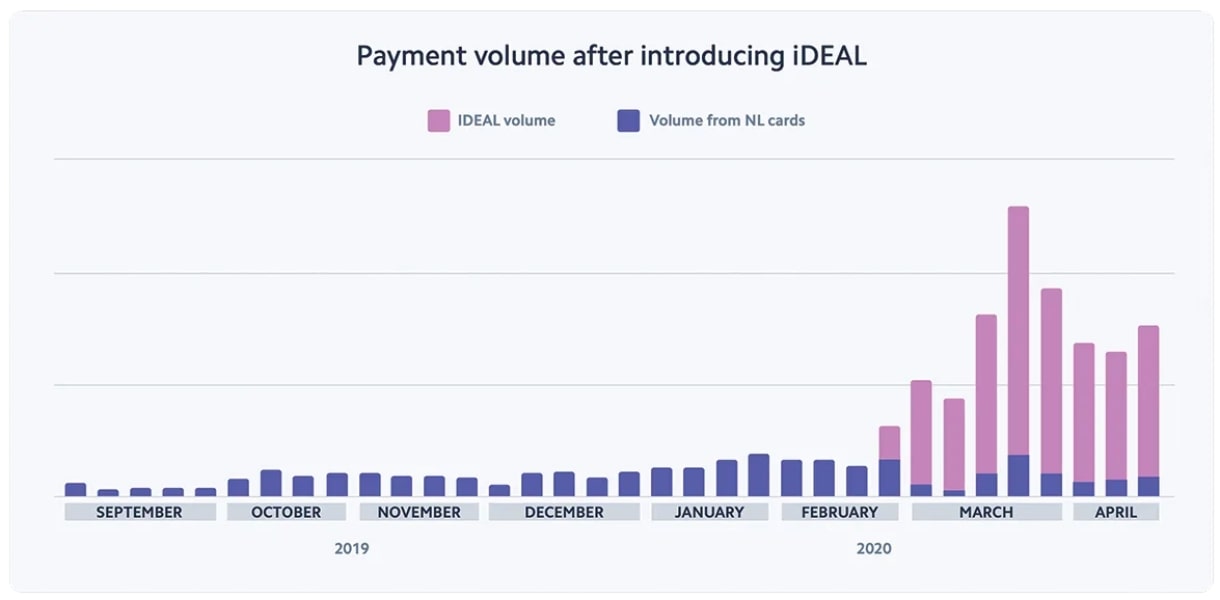
Billing kept subscription businesses humming, while Issuing put virtual and physical cards into play for platforms needing fast payouts. And for global sellers, Stripe’s 100+ payment methods meant that Dutch customers could pay with iDEAL, Germans could lean on bank transfers, and Brits could click through Apple Pay in a heartbeat.
Stripe even tapped into psychology. Its own “State of European Checkouts” report in 2020 showed that 58% of checkouts in Europe had at least three basic errors. Think about that: three tiny stumbles at the final step, and nine out of ten sales risked vanishing. By fixing those errors – adding a numeric keypad on mobile, validating cards in real time, surfacing wallets only when ready – Stripe turned checkout into a closing act, not a cliffhanger.
So while brands shouted their discounts from every corner, Stripe whispered reassurance at the point of payment: your card works, your bank approves, your order is safe. In the wild season of 2020, that whisper kept the tills ringing.
Let’s pause. Think about it: Shopify became the stage, Stripe kept the lights on, and shoppers surged into the spotlight. Brands rode this surge, launching new promos and feeding a loop of discovery and urgency.
Data even outside those platforms nods to the frenzy. Adobe predicted Cyber Monday would be the highest online sales day in history. The Boston Consulting Group said the window from Thanksgiving to Cyber Monday could account for 20-25% of all holiday online revenue.
All of this happened in a year when the physical world was on pause. Shopify merchandisers, from tiny start-ups to trendy brands, found a stage. Stripe kept faucets of payments flowing. Consumers found new paths: shopping on phones, apps, and with a click. And yes, it all felt a little like magic.
Black Friday 2021: from pandemic peaks to hybrid shopping
Ah, 2021 – when Black Friday stopped being just a cyber sprint and started to resemble a hybrid marathon. The world cracked open. Masks stayed on, but crowds trickled back into stores.
Yet, carts still clicked online, and the rules of the game got more interesting.
Shopify: hitting new records in a hybrid world
Shopify took center stage again, but this season sounded deeper notes. Independent merchants powered a staggering $6.3 billion in Black Friday/Cyber Monday sales, up 23% from 2020’s dollar-dash.
Peak chaos? It came at $3.1 million in sales per minute, right as the clock hit 12:02 p.m. EST on Black Friday. Talk about split‑second sparkle. And shoppers didn’t just click. They clicked on mobile. A full 71% of those transactions snapped through smartphones or tablets.
Why the hybrid spike? Because life rebooted in hybrid mode. Folks dipped into physical stores but kept their screens hot. Shopify sellers in London, New York and Los Angeles felt that pulse. Cross-border commerce held firm at around 15% of orders, with U.S.-Canada and U.K.-U.S. standing out.
Then came Buy Now, Pay Later (or BNPL), a smooth operator of flexibility. Though exact Black Friday numbers in 2021 are scarce, Europe’s BNPL use surged by 57%, capturing 6% of total Black Friday spend, according to Mollie. It was no longer a novelty but a must‑have flex, especially for younger shoppers.
Klarna: turning urgency into flexibility
That brings us to Klarna, riding its own BNPL wave. In mid‑2021, Klarna snagged a $45.6 billion valuation, becoming Europe’s most valuable private fintech. It rolled out a physical card in November, sparking a frenzy with a waitlist of 400,000 in the UK.

So here’s the twist: while brands were shouting “Shop Now!,” services like Klarna let customers whisper, “Maybe pay later? Maybe today?” It turned urgency into flexibility.
In sum, 2021 looked like a remix. Mobile ruled the scene. Payments got kinder-to-wallet. Cross-border and in-person channels converged. Shopify was the stage, BNPL was the hush to close the deal, and Klarna was the voice saying “you’ve got options.”
Black Friday 2022: resilience and adaptation in an inflationary year
Black Friday 2022 arrived with a twist. While prices climbed like a tightrope, shoppers kept clicking. E-commerce held the line. Online sales reached $9.12 billion, a mild 2.3% lift from the previous year, against the headwind of rising costs. Electronics sparked much of that charge.
Here’s the clever part: shoppers leaned into smarter payment moves. Buy Now, Pay Later, that friendlier split‑now‑pay‑later buddy, exploded. Between Nov. 19 and 25, BNPL orders leapt 78%, and turnover climbed 81%, right when inflationary pressure was peaking.
Klarna: the BNPL king of Europe
Klarna was the star of the BNPL show in Europe. Its app installs were up 339% compared to 2019, holding a whopping 70% market share across the continent. That’s proper dominance.
Across the Atlantic, Klarna’s Black Friday shoppers paid on time or early at a rate of 97.4%, a figure that reads like trust in numbers.
SAP Emarsys: orchestrating campaigns like a conductor
But payments weren’t the only battlefield. SAP Emarsys played the role of conductor, keeping brands in sync across every touchpoint. Over Black Friday weekend 2022, activity on its platform surged 45% year over year, with sharp lifts across channels: email +44%, mobile push +54%, SMS +55%, in-app +99%, and web +48%.
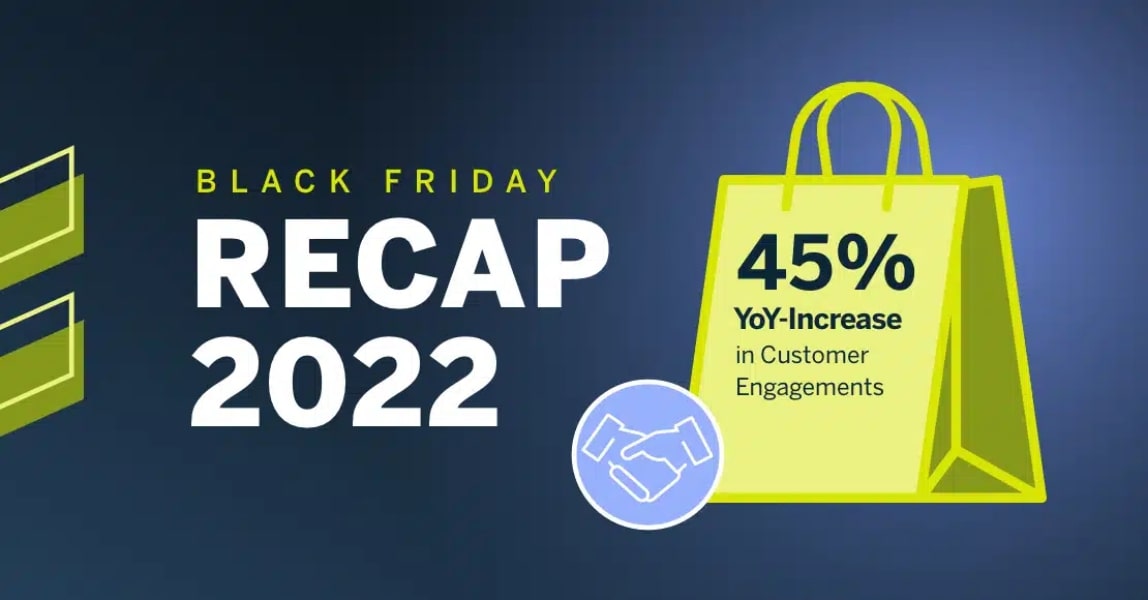
Emarsys even called out email as the “entry point” that nudged traffic into app and web, a neat trick in a year when attention felt scarce.
What did this look like in practice?
Brands queued up price-savvy segments, triggered cart nudges and back-in-stock alerts, and synced timing across email, SMS, and push.
All so shoppers saw the right prompt without feeling chased. In an inflation year, that cadence mattered. The result was steady engagement through the weekend instead of one-day spikes.
Beyond payments and messaging, mobile carried almost 48% of all online Black Friday sales, with electronics, toys, and fitness gear surging versus a typical October day.
So, what’s the story here? 2022 wasn’t doom and gloom. It was grace under fiscal fire.
Klarna gave shoppers elastic budgets. Emarsys gave brands orchestration. And together, they kept Black Friday not just alive, but adaptive.
Black Friday 2023-2024: strategy under inflation and changing preferences
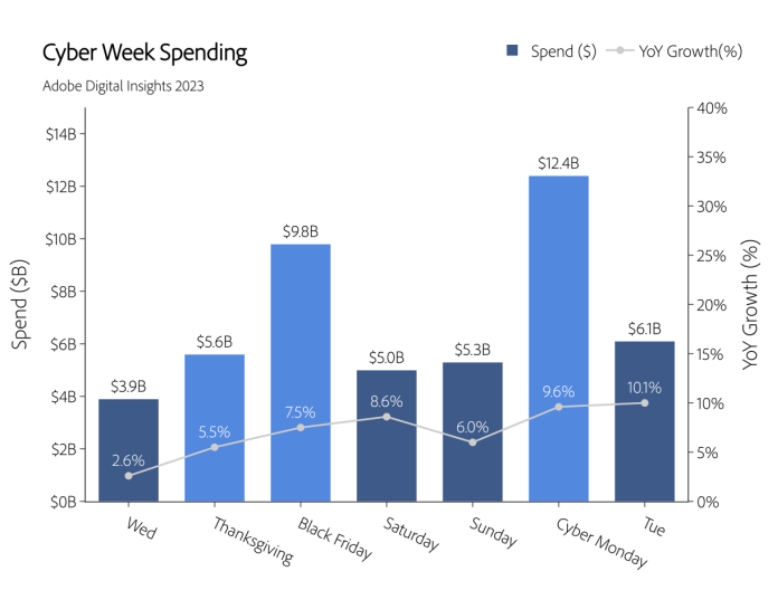
The Black Friday story in 2023 and 2024 wasn’t panic but planning. Shoppers still wanted deals, but inflation had rewired habits. Spending stayed strong: $9.8 billion online in 2023 and $10.8 billion in 2024, with mobile tipping over half of transactions. Price-savvy? Yes. Absent? Not at all.
Klarna: credit flowing through the crunch
Klarna kept the credit flowing. US orders made with BNPL jumped nearly 30% on Black Friday 2023, and by 2024, BNPL for online spend grew by 9.6% YoY, and was worth nearly $18.2 billion. The psychology was clear: shoppers stretched bills across months instead of abandoning carts.
Klaviyo: messages at industrial scale
Klaviyo dominated the inbox and beyond. At peak hour in 2023, brands using Klaviyo sent 376 million messages in one hour (emails, SMS, push), all synced to hit the right mood at the right time. Across the weekend, it was almost 12 million messages a minute, translating into nearly $60 million per hour in attributed revenue. That’s personalization at industrial scale.
Adyen: checkout without borders
Adyen saved the checkouts from stalling. In 2023, its global network processed billions in volume, helping retailers accept 100+ payment methods without missing a beat. For shoppers in Europe, Adyen’s strength in local options like iDEAL, Bancontact, or SEPA meant clicking “pay” felt friction-free, even with carts climbing into high ticket categories.
Braze: precision messaging at symphony scale
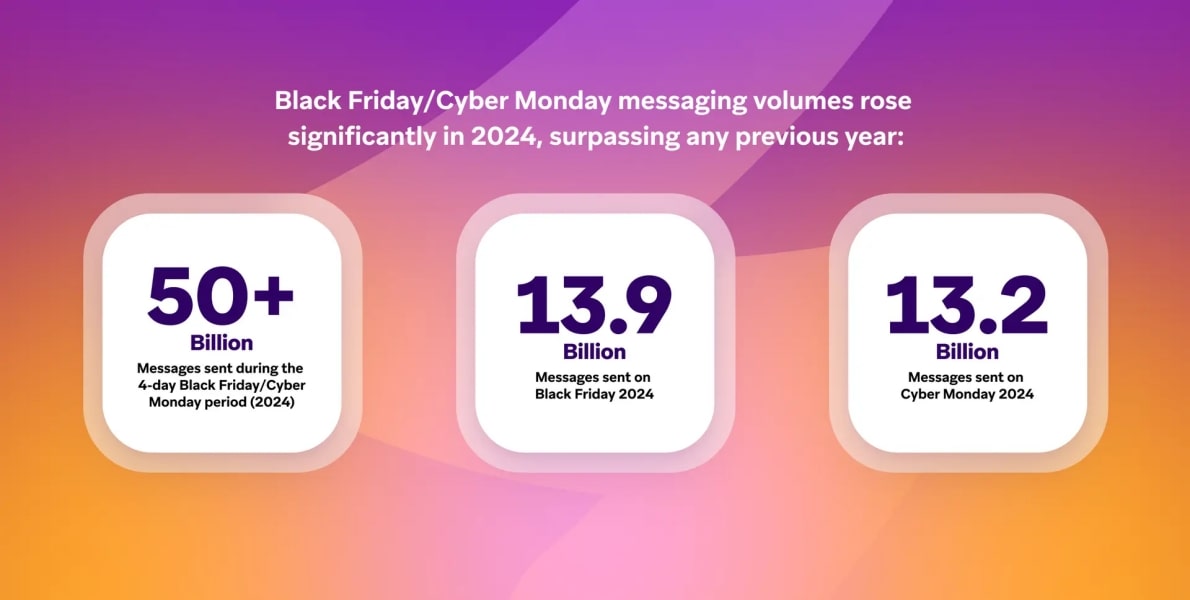
Braze transformed messaging into a full-scale orchestra. During the four-day BFCM stretch in 2024, brands on Braze sent more than 50 billion messages: 13.9 billion on Black Friday alone and another 13.2 billion on Cyber Monday. That’s not “batch and blast” but precision at volume.
What made it special wasn’t the raw numbers. It was the sophistication behind them.
Braze customers leaned on Canvas, the platform’s orchestration tool, to build multi-step journeys across email, push, in-app, and even connected TV.
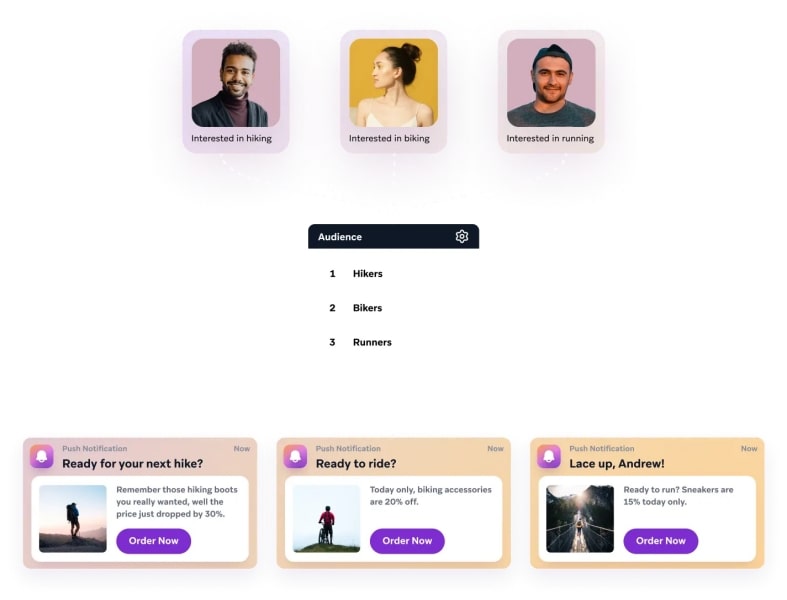
Roku messages, WhatsApp pushes, content cards, and app nudges all saw the steepest year-on-year growth. Consumers got a storyline across devices.
And the tools in action?
Over half of Braze clients used the drag-and-drop email editor during the weekend. Others built quick in-app experiences or switched to HTML for deeper control. Whatever the method, the platform kept uptime at 100%, scaling databases, locking down code weeks in advance, and running real-time monitoring as messages surged.
In a year when inboxes and lock screens overflowed, Braze stood out by giving brands nuance. Messages weren’t shouts in a crowded room but were well-timed whispers that arrived exactly when and where customers were ready to act.
Bloomreach: when search became a sales engine
Bloomreach made the search bar a cash register. During Cyber Week 2023, its platform powered more than 445 million searches on Black Friday and 422 million on Cyber Monday – a 30% lift from the year before. Those queries weren’t random. They translated into a 16% jump in Black Friday revenue and a 25% lift on Cyber Monday, with average order size up 16% year over year. Traffic came on Friday, but money crowned Monday.
Email still carried the crown: 380 million Bloomreach emails went out on Black Friday, peaking at 35 million per hour. But here’s the twist: SMS and MMS exploded too, up 135% and 51% respectively. Bloomreach turned lock screens into shop windows.
Behind it all was Loomi, Bloomreach’s AI engine, quietly powering personalization at scale.
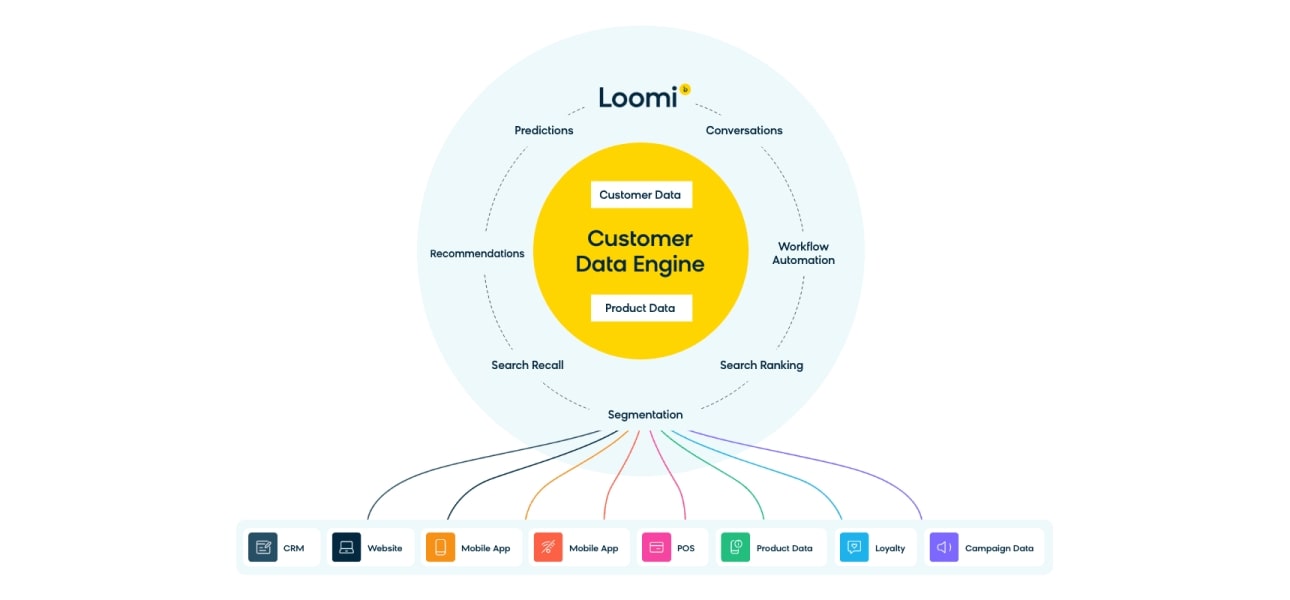
It stitched together product data and customer signals, surfacing the right offer, whether in search or an SMS alert. That’s how shoppers felt like stores were reading their minds, even in the flood of promotions.
Bloomreach’s own CEO, Raj De Datta, called it “personalization to the bottom line,” and the numbers back him up. Black Friday 2023 may have brought the crowds, but Bloomreach helped brands cash in when Cyber Monday turned browsers into buyers.
The pattern is clear. Payments got flexible, messaging got personal, checkouts got smarter, and search got sharper. Inflation forced strategy, not silence. The winners didn’t just help retailers survive but actually made the weekend feel seamless, even in a year of tight budgets.
Black Friday 2025: omnichannel and unified commerce
Black Friday 2025 is shaping up as the year where shopping stops being a scattered sprint and becomes a seamless flow.
Brands are connecting dots, from screens to storefronts, with unified systems under the hood and smart tools on display.
Shopify: the ringmaster of retail
Shopify is the commerce ringmaster. Its latest “25 BFCM Prep Steps” checklist reads like a masterclass.
Merchants are testing mobile readiness, mapping longer sales windows, loading chatbots as backups, and blending Shop Pay with POS data to turn one-time buyers into recurring ones.
Shopify POS now matches customers to Shop Pay’s 150 million+ buyer network, and prompts opt-ins during checkout. No extra fuss for staff. It’s about turning holiday traffic into year-round relationships.
Adyen: payments in perfect harmony
Adyen keeps the cash registers in harmony. With omnichannel payments surging, their unified approach (linking online, in-store, and even mobile wallets) helps retailers keep inventory real-time and avoid disappointment.
Tokenization and biometric authentication keep fraud at bay, giving shoppers confidence from cart to confirmation.
Braze: from noise to a marketing concerto
Braze builds the messaging symphony. The Braze x Shopify toolkit promises smarter engagement, not just louder spam. Brands using Braze report a 35% spike in message rates, 46% more in-app sends, and 33% growth in cross-channel campaigns compared to last year. That’s outreach that plays like a concerto, not a broken record.
Bloomreach: AI-led choreography in action
Bloomreach fronts the data-driven engine. Their Agentic AI is personalized marketing that thinks and acts.

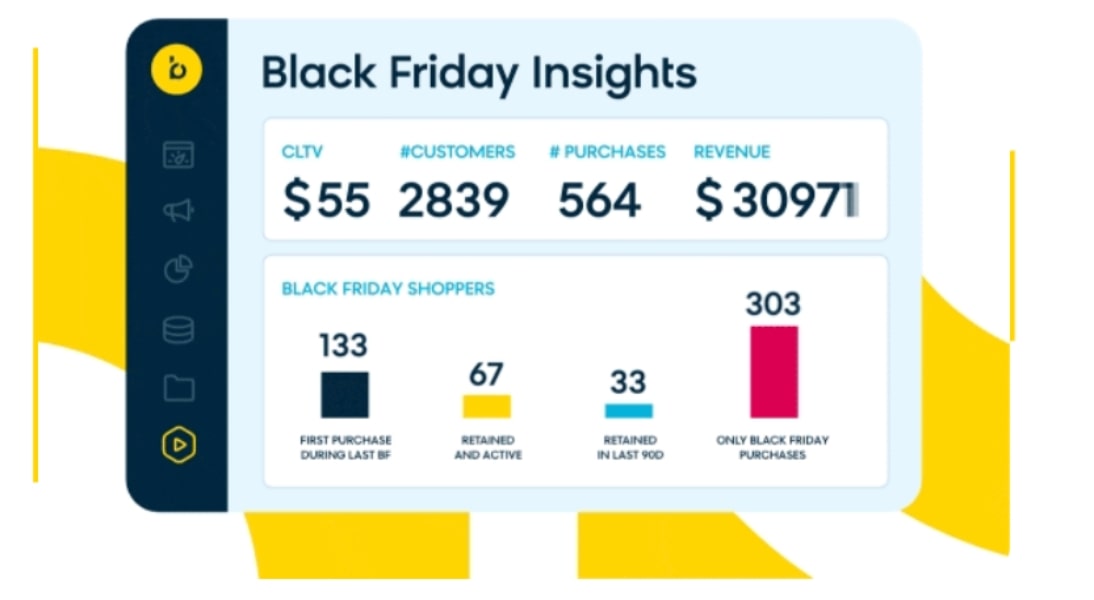
Their Black Friday dashboard gives marketers a live pulse – promotions, price moves, search trends – all visualized. Brands using Bloomreach Clarity and Discovery tune their campaigns in minutes, not panic hours.
In short, Black Friday 2025 will be about chasing shoppers and meeting them wherever they are, on every device, with one unified story.
Shopify’s plumbing, Adyen’s payment lanes, Braze’s messaging flow, and Bloomreach’s AI-led choreography are joining forces.
The result? A Black Friday that will feel less like chaos, more like choreography.
What these five years really taught us
Looking back, it’s clear Black Friday has grown up.
What once felt like frenzy now feels like orchestration.
- Shopify gave merchants a stage.
- Stripe kept payments flowing.
- Klarna taught shoppers the art of flexibility.
- Klaviyo and Braze rewrote messaging.
- Adyen made checkouts universal.
- And Bloomreach turned the search bar into a profit machine.
And that’s only a handful of names.
Black Friday in 2025 will be more than a single day. It’ll be a connected season where data, payments, and personalization work in sync.
For brands, the challenge isn’t shouting louder but playing smarter. And for the service providers powering it all, the next five years look even more interesting.