Digital fairness act: What the European commission has proposed for online consumer protection
Written by
Editorial TeamPublished on
Fake “almost sold out” claims, subscription traps, hidden fees: the Digital Fairness Act proposal targets them all. See what the EU wants to change.
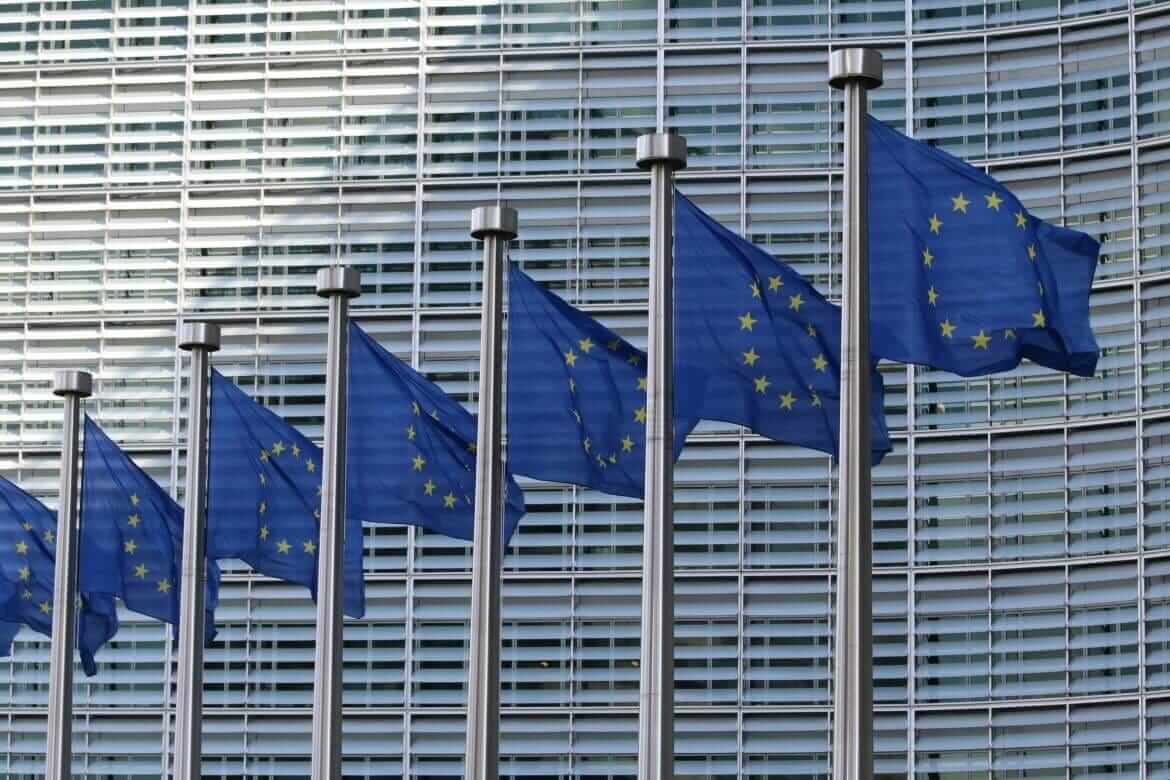
On 11 November 2026, the European Commission presented its proposal for a Digital Fairness Act (DFA). The proposal is a major update of EU consumer protection rules. It aims to ensure that consumers in the EU enjoy the same high level of protection online as they do offline. Because it is a proposal, it now goes to the European Parliament and the Council for discussion.
Why the Digital Fairness Act matters for e-commerce
The Commission says the rapid growth of e-commerce has made it easier than ever to access goods and services. But it argues this convenience must not come at the expense of fairness. It names manipulative marketing tactics and hidden fees as unfair practices that undermine consumers’ ability to make free and informed choices.
The Digital Fairness Act is meant to give EU authorities better tools against such practices and make sure all traders play by the same rules. It covers consumers of all ages shopping and browsing for goods or services online. The Commission expects the package to save EU consumers up to €13.7 billion a year.
Key changes in the Digital Fairness Act proposal
The Commission lists these main novelties:
- Ban on dark patterns. Manipulative tactics would be banned, for example fake claims that a product is almost sold out, which pressure consumers into purchases they might not otherwise make.
- Clear pricing. This applies particularly to purchases made with virtual in-app currencies and to dynamic pricing for cultural and sports events. In virtual queues, companies would have to show the current price in real time and the highest possible price.
- Fairness by design. Consumers would have the option to turn off addictive design features that encourage excessive or compulsive spending, such as persistent prompts. The proposal would also ban gambling-like features for minors, such as pay-to-win and pay-to-progress.
- Influencer marketing disclosure. Influencers would have to be transparent about commercial content. The aim is to prevent the exploitation of the trust of minors in their audience.
- Limits on personalised ads and prices. The proposal restricts unfair personalised ads and prices that target minors or take advantage of sensitive data.
- Easier subscriptions. Digital contracts and subscriptions would be easier to cancel. The proposal also targets unwanted automatic renewals and free trials that turn into subscription traps.
- Customer service and AI agents. Consumers would have the right to communicate with a human in customer service. They would also get clear rights when using an AI agent to buy products on their behalf.
Simplification for businesses
The Digital Fairness Act proposal also contains simplification measures. Alongside it, the Commission proposed a simplification directive with targeted amendments to the Consumer Rights Directive, to simplify its application online. This includes simpler pre-contractual information requirements for repeat in-app purchases. It also includes clearer rules on how consumers can cancel digital media subscriptions within the withdrawal period.
Stronger enforcement: revision of the CPC Regulation
Together with the Digital Fairness Act, the Commission proposed a revision of the Consumer Protection Cooperation (CPC) Regulation. According to the Commission, it currently cannot directly enforce these rules. It can only facilitate CPC enforcement actions in cases of widespread breaches with an EU dimension. The revision proposes to:
- Give the Commission direct powers to investigate large-scale cases with a major impact on consumers across the Single Market, with fines of up to 6% of a company’s worldwide annual turnover.
- Speed up and improve coordination of national consumer authorities in cross-border cases. This includes setting timelines for key steps and improving how penalties are coordinated, for example when fines are collected in different jurisdictions.
- Strengthen enforcement against non-EU companies by requiring them to appoint a legal representative in the EU to cooperate with national authorities and the Commission.
Since the CPC Regulation started applying in 2020, the CPC Network of national consumer protection authorities has carried out more than 30 coordinated enforcement actions. The proposed revision is based on the findings of the 2024 application report, which identified several shortcomings in the current enforcement system.
Quote / Henna Virkkunen, Executive Vice-President for Tech Sovereignty, Security and DemocracyThe Single Market lives through its 450 million consumers. Our laws must keep up with the way people live, shop and do business today. This reform will make everyday life simpler, fairer and safer for consumers, while giving businesses the clarity and confidence they need to thrive.
Background and next steps
The Commission announced the Digital Fairness Act and the CPC revision in its 2030 Consumer Agenda. The DFA was also included in the 2026 Commission Work Programme. The proposal builds on the findings of the Commission’s 2024 Digital Fairness Fitness Check.
The Digital Fairness Act proposal will now be discussed by the European Parliament and the Council, so its final content may change. Online sellers should follow how it develops.
Source: European Commission press release, 11 November 2026, “Commission strengthens consumer protection laws, making them fit for the digital age.”