From TikTok Shop to checkout: tracing the new impulse-buy economy
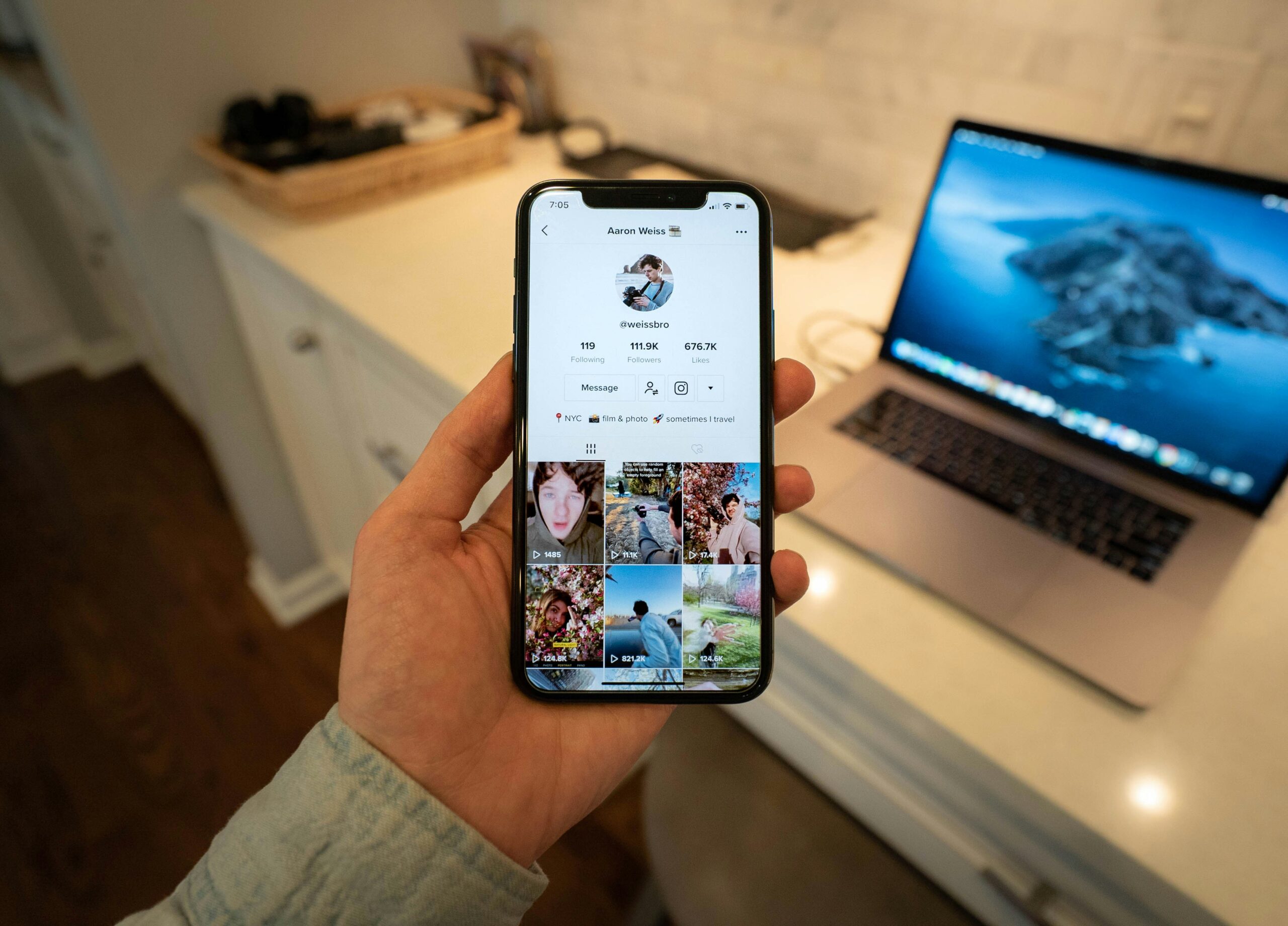
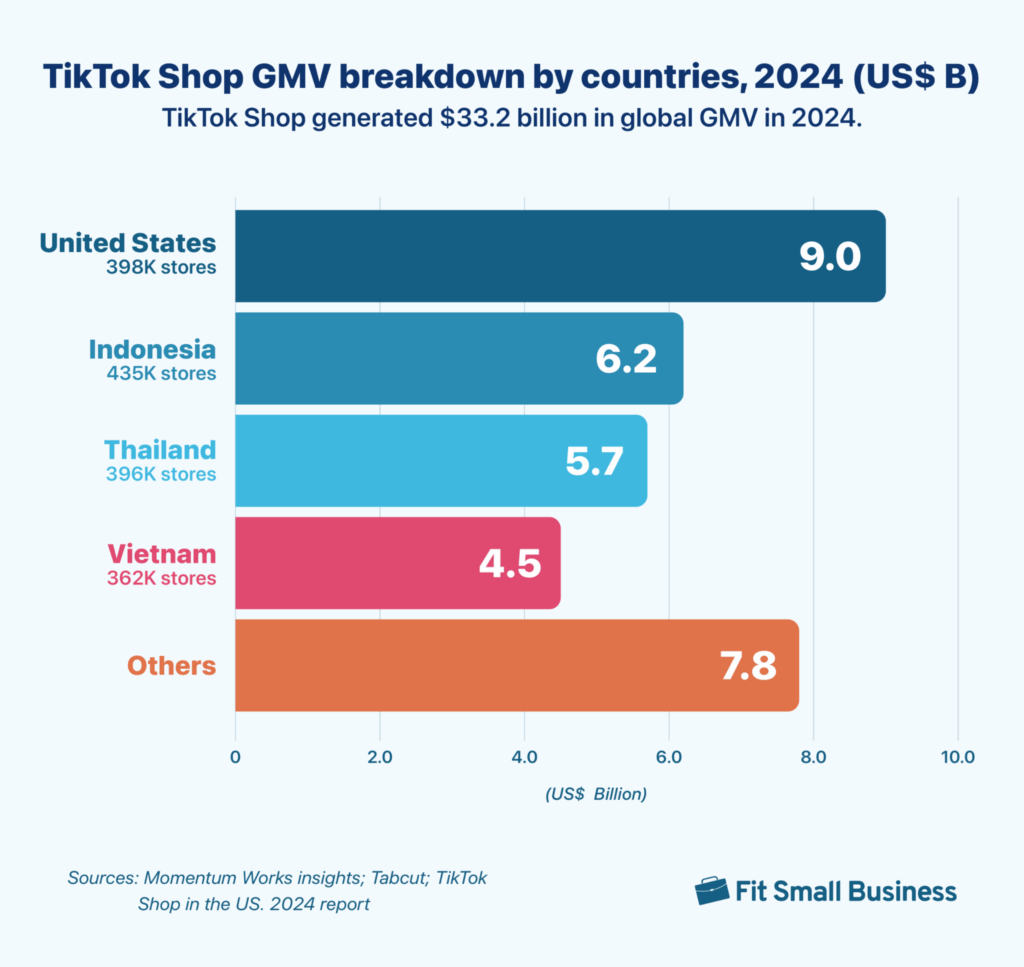
The modern buying journey doesn’t begin with intent anymore. It starts mid-scroll. Platforms like TikTok Shop turn curiosity into purchase within seconds — shrinking the path from discovery to checkout and creating what many now call the impulse-buy economy. For eCommerce brands and SaaS platforms, this means adapting everything from discovery to retention to keep up with a shopper who buys first and thinks later.
From entertainment to transaction
It starts with a scroll. A creator shows a product, the “Shop now” button appears, and suddenly a casual viewer becomes a customer. TikTok Shop doesn’t just showcase products — it anchors them in moments of emotion.
This blend of discovery and immediacy isn’t new, but it’s never been so seamless. The shift marks a turning point for online retail: entertainment and commerce have officially fused. In older eCommerce models, people searched, compared, and only then decided to buy. Now, they see, feel, and click — all in under 30 seconds.
Recent reports show that over 30% of shoppers say they make more impulse purchases because of social media, and TikTok leads that wave. The more immersive the feed, the faster a desire turns into action.
The anatomy of an impulse buy
So what fuels this behaviour? A few key forces define this new shopping reality.
First, algorithmic discovery replaces search. TikTok’s “For You” feed isn’t built for intent; it’s built for surprise. When the algorithm learns what amuses or excites a user, the product placement becomes invisible — and incredibly persuasive.
Second, creators are the new storefronts. Their energy, authenticity, and time-sensitive offers replicate the same rush people used to feel when spotting a sale sign in a physical store window. This is digital social selling in its purest form: connection-driven commerce wrapped in entertainment.
Third, the purchase process itself has lost its friction. TikTok Shop’s one-tap checkout flow leaves no room for hesitation. A wallet is saved, shipping is filled in, and confirmation comes before logic kicks in.
Together, these factors create a feedback loop where content inspires action faster than intent can intervene.
What this means for modern eCommerce brands
For eCommerce teams and SaaS partners, the impulse-buy economy is both a gift and a challenge. It unlocks faster conversions but demands sharper systems.
Discovery now happens in real time, long before ads or SEO play their role. That’s why modern brands lean on adaptive content algorithms, influencer partnerships, and flexible ecommerce tools that connect storytelling with sales data.
But once the rush of impulse fades, retention becomes the real battle. These customers didn’t plan to buy — which means loyalty isn’t automatic. A well-designed customer success strategy turns a one-click experiment into a long-term relationship. Welcome sequences, thank-you offers, and content that reminds buyers why they bought keep engagement alive.
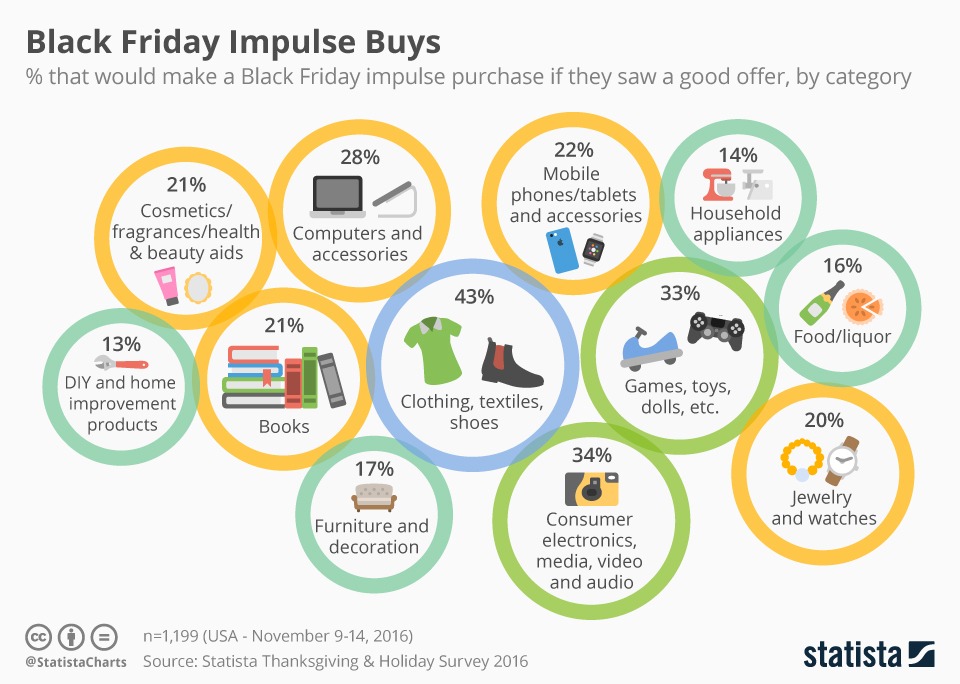
On the growth side, this environment rewards experimentation. The brands winning on TikTok Shop aren’t following old playbooks — they’re rewriting them through agile ecommerce growth strategies. They iterate faster, test trends, and let data from spontaneous sales shape their next campaign.
The ethics and the edge
Impulse buying sits at an interesting crossroads. It drives revenue, but it also tests responsibility. Overusing urgency cues or misleading “limited stock” claims risks eroding trust — especially when purchases are emotional.
Brands walking this fine line succeed when they stay transparent, human, and helpful. The future of eCommerce isn’t manipulation; it’s anticipation. Knowing what customers want before they articulate it — and giving them an honest reason to say yes.
What’s next
As feeds become more shoppable, social platforms will evolve into hybrid marketplaces. AI will sharpen targeting, micro-creators will replace traditional ads, and every scroll will carry a buying opportunity.
The difference between thriving and fading will depend on one thing: which brands can turn this flood of instant conversions into sustainable relationships. Impulse can start the journey, but intention must sustain it.