Holiday readiness 2025: How German brands can win the Christmas rush?
Get your online store ready for Christmas. Learn how German brands can win the Christmas rush with social-first content, creators, fast workflows, and smart planning.

Lights in the streets, full trams, glued parcel tape, and a lot of last-minute “add to cart” clicks. Christmas in Germany is a whole different story.
If you run an online shop, you already know this. Q4 can feel like a storm. Orders pile up, ads eat your budget, and your inbox fills with “Where is my package?” messages. At the same time, this is the moment when your brand can win the Christmas rush and stay in customers’ minds for months.
So this year, instead of panicking in late November, you can prepare your e-commerce for Christmas with a clear plan.
Let’s walk through it step by step.
What German shoppers expect during Christmas
Before you prepare your e-commerce for Christmas, you need to understand who you sell to and what they expect.
German shoppers are careful, informed, and a bit tired of generic campaigns. They compare prices, but they also look at trust signals, reviews, and how you talk to them. They also move across channels all the time. Someone might see a product on TikTok, read reviews on your site, check Google, and finally buy from your app.
There is also a strong planning habit. Many German families start with lists. Gifts for kids, parents, colleagues. They do not always buy early, but they think early. This is where your content comes in. If you show up with helpful gift ideas in October and November, you guide those lists and win Christmas shoppers before big promo weekends even start. If you keep these things in mind, it becomes easier to prepare your e-commerce for Christmas in a smart way.
Build social-first content that actually stops the scroll
First, you should focus on the content, make it ready for social media. If your brand wants to win the Christmas rush, here is the starting point.
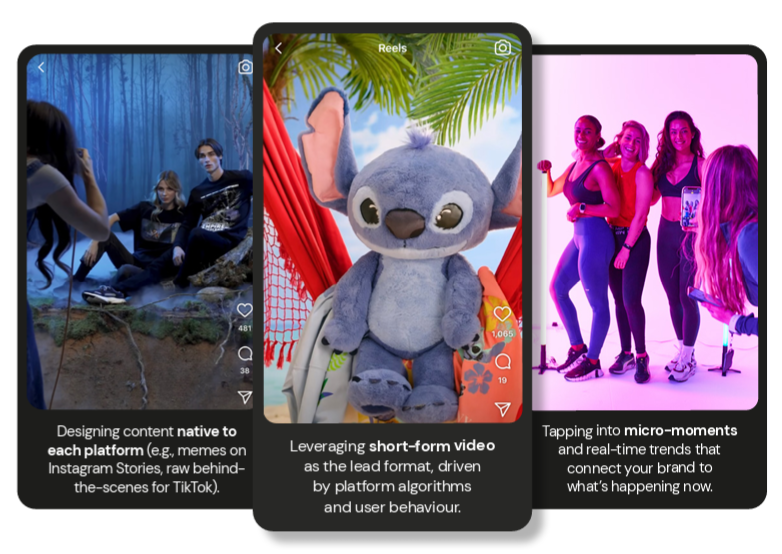
Social-first does not mean posting the same product shot on every platform. It means creating content that feels native to each feed and screen. Short, direct, and easy to understand without sound. For Christmas, this could be:
- unboxing clips,
- quick gift tips,
- or behind-the-scenes slices from your warehouse or store.
When you prepare your e-commerce for Christmas, think in small, flexible content blocks. One photoshoot of your gift sets can turn into many pieces. A hero video for your homepage. Short vertical cuts for Instagram Reels and TikTok. Simple stills for newsletters. This “modular” approach saves time and keeps your visuals consistent.
Social-first also means fast feedback. Watch what gets saved, shared, or commented. Use this insight inside the season. Do not wait for a long report in January. If one type of Christmas content works better than others, use that signal and create more in a similar style.
The goal here is simple. You want someone to stop scrolling, smile, and think “This fits my Christmas mood.” When that happens, you quietly prepare your e-commerce for Christmas traffic.
Lean into creators and UGC that feel real
People trust people more than brand logos. This is even stronger at Christmas, when emotions run high and everyone searches for the “right” gift. If you prepare your e-commerce for Christmas only with polished brand content, you miss a powerful lever.
Creators bring their own audiences, languages, and styles. But the key is fit. You want partners who like your products and speak to the people you target. They do not need millions of followers. A small creator with a loyal German audience can drive more real interest than a huge celebrity with no real link to your niche.
Use them for practical formats:
- A beauty creator showing how to build a gift set under 50 euro.
- A home content creator walking through “last-minute cozy living room upgrades.”
- A parent talking through “three toys that kept my kid busy all holidays.”
Longer partnerships work better than one-offs. If the same person shows your brand in October, then again during the Black Friday period, and once more in December, trust grows with each touchpoint. Your brand feels like part of their world. This is one of the strongest ways your brand can win the Christmas rush.
Use emotion and nostalgia to lift your Christmas performance
Now you move into the psychological side. Christmas in Germany carries deep symbols. Candles, Advent wreaths, Christmas markets, baking Plätzchen, late-night wrapping sessions. When you prepare your e-commerce for Christmas, you can use these elements in a subtle, respectful way. They create instant recognition and a warm feeling.
You do not need a complicated storyline.
Use simple examples. Like a teenager buying a small gift with their first own salary. A grandparent trying to pick something “modern” for a grandchild. A couple setting up their first Christmas tree in a tiny flat.
Your products sit inside those stories.
The focus stays on the people. This matches how shoppers think. They buy for someone, not for a landing page.
Music, colors, and pacing matter too. Soft warm light, slower cuts, and natural sound can calm the viewer. This stands out in a hectic feed full of loud promos.
If you mix real emotion with clear product value and an easy path to purchase, you prepare your store for Christmas in a more human way.

Add speed and agility into your holiday content workflow
Trends on TikTok and Instagram rise and fall within days. Delivery strikes or storms can hit schedules. A creator video might go viral overnight.
When you prepare your e-commerce for Christmas, build in short feedback loops. Decide who makes content decisions daily. Who signs off new creatives. Who can pause or update a campaign if performance drops. Keep this group small. Too many approvals slow everything down.
Use real-time data. Watch which creatives get the best click-through and best conversion. Track search terms inside your store. If many people search for “gifts for colleagues,” you might create a new landing page or highlight a bundle around that theme. If a TikTok sounds or meme format fits your brand and target group, create a quick piece while it is still hot.
You can also plan “reaction slots” in your calendar. For example, you keep one content space open each week in December for something reactive. A customer story, a trend, or a last-minute reminder about cut-off dates. That keeps your brand fresh without overloading the team.
Try new tools and tech, but keep your content grounded in reality
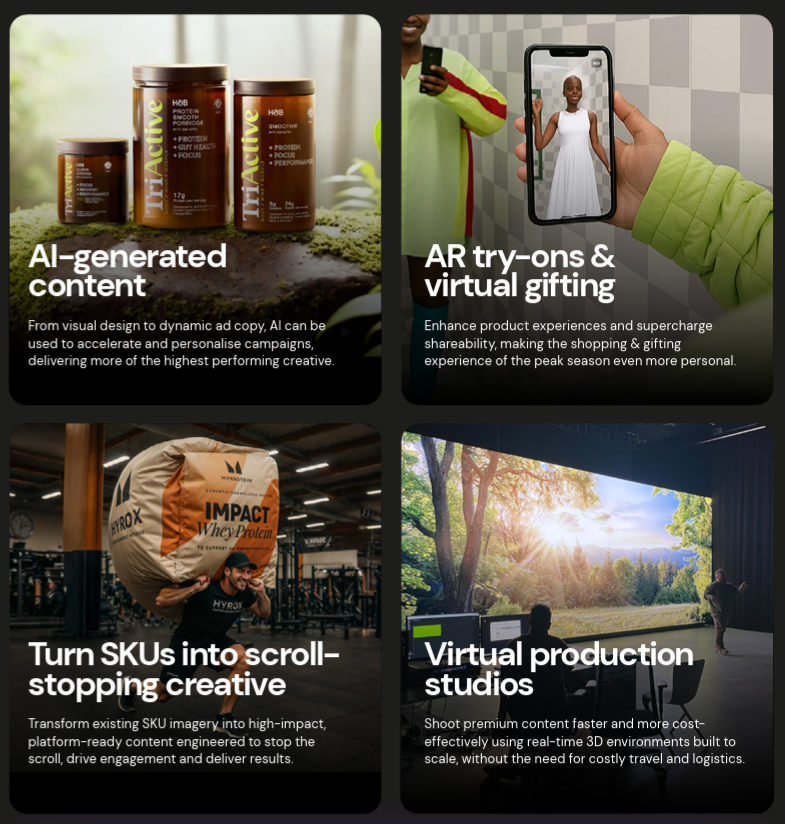
Use tools that save time, speed up production, and make your campaigns sharper. Of course, recently AI sits at the center, with its generated content. It helps teams create more assets in less time, edit visuals, test variations, and turn one shoot into many executions.
Virtual production also gives you flexibility. You can build winter scenes, snowy backgrounds, or cozy interiors without flying people across Europe. This cuts costs and reduces stress. For German brands, it also means you can shoot content that feels regionally familiar without renting half a street in Munich.
AR can help shoppers try products or visualize gifts. A lipstick shade through AR preview. A Christmas wreath on their door. A sneaker model on their feet. It feels playful and practical at the same time.
However, people still connect most with real humans. Too much automation in the foreground can break trust. Shoppers want to see real faces, honest reactions, and emotional moments.
So yes, you can still use AI for scaling, localizing, or cleaning up production, but keep the storytelling human. That balance makes your brand feel both modern and warm, which is helpful when you want to win Christmas shoppers who compare authenticity across brands.
Bring your store experience closer to the shopper
Look also at your website, checkout, and communication. When someone lands on your site in December, they want calm, clarity, and zero surprises.
Start with navigation. Gift categories help shoppers find ideas quickly. You can break them into price levels and interests. This cuts down the decision stress people feel when they shop for multiple family members at once. A clear layout helps your e-commerce win Christmas shoppers who would normally bounce from cluttered pages.
Make sure your store is fast on mobile. Many German shoppers browse on phones first, especially during commutes or evenings on the sofa. If a page takes too long to load, they’ll close it. Speed becomes part of how you prepare your e-commerce for Christmas.
Shipping and returns need strong visibility too. Put your cut-off dates at the top of key pages. Remind people early if certain regions need extra time. Christmas shopping always carries a bit of anxiety about delayed parcels. When your store communicates clearly, you replace that anxiety with confidence.
Gift bundles and pre-built sets also help. Families often shop for groups and colleagues. A bundle reduces the number of decisions they need to make. It makes them feel they solved a problem in seconds. Those small moments shape your conversion rate during the busiest period.
Make decisions with real data, not guesses
Christmas is full of noise. Ads everywhere. Flash sales. Trends popping up and fading in days. If you want your brand to win the Christmas rush, you need data that actually tells you what works.
Last-click alone can’t describe the full picture during the holidays. People jump between channels, search terms, creators, and reviews before they buy. If you look only at the final click, you miss the content that first sparked interest.
Use a mix of signals. If a video gets high saves and shares, that’s a sign of real attention. If people keep searching for a gift category on your site, that’s an opportunity for a new landing page. If customers click an email but buy two days later, that email still mattered.
Brand sentiment also plays a role. December is emotional. People remember how brands treat them. If something feels honest and friendly, they’re more likely to come back in January. If something feels stressful, they might switch permanently.
You can test small changes, like two versions of a gift bundle title. Or two different opening hooks in a social video. This helps you prepare your e-commerce for Christmas with decisions supported by real behavior, not intuition.
And what about competitor insights? Check your share of voice on Google or social during peak weeks. If you see shifts in interest in your category, adjust your communication. Germans are quick to react to trends when they solve their gift challenges.
Data keeps you grounded. When emotions rise in the team or the market, data gives you direction.
Quick checklist to prepare your e-commerce for Christmas
Run through your store and check if the basics are ready.
Gift categories, fast navigation, fresh product descriptions, and updated photos. Make sure holiday bundles are easy to find. Look at mobile performance and cut delays.
Get your content planned by week. Add room for fast reactions. Make space for creator videos and user-generated stories. Refresh your homepage with warm Christmas visuals. Add shipping reminders and highlight your return policy clearly.
Update trust signals. Add real customer reviews. Add a clear delivery calendar. Test your checkout for speed. Look at inventory levels and adjust your bestsellers first.
During the season, track performance daily. Watch search terms inside your store. And the most important: listen to real customer questions and turn them into posts or email updates.
Go ahead and win the Christmas rush in Germany!
Holiday readiness means helping people navigate a busy season with clarity, comfort, and simple decisions. German shoppers value honesty, quality, and real human storytelling. They also appreciate brands that react quickly and keep communication open.
When you prepare your e-commerce for Christmas with strong content, real creators, fast workflows, and thoughtful shopping experiences, you give customers something they can rely on. You guide their gift decisions and make their season easier.
That feeling stays with them long after December ends.