Allegro explained: why over 150,000 merchants trust this fast-growing marketplace
Written by
Editorial TeamPublished on
Discover why over 150,000 merchants trust Allegro – the fast-growing CEE marketplace offering massive reach, strong logistics, loyal buyers and scalable growth. (Ad)
What began in 1999 as a modest online auction site in Poland has turned into something much bigger. Today, Allegro isn’t just a local marketplace: it’s the dominant e-commerce platform in Central and Eastern Europe (CEE), a critical engine for Poland’s digital economy, and a go-to selling channel for hundreds of thousands of businesses. In 2023, a report commissioned by Allegro estimated that the platform contributes approximately 1% of Poland’s gross domestic product (GDP), a powerful indicator of its economic significance.
With a buyer base measured in tens of millions, and an active merchant pool that exceeds 150,000, Allegro offers scale, reach and trust: all vital for sellers aiming to grow fast. The numbers speak for themselves: in 2025, the group counted over 21.1 million active buyers, and Polish operations alone posted strong growth in gross merchandise value (GMV), revenues and advertising income.
But what exactly makes Allegro such a magnet for sellers?
Below are seven compelling reasons – backed by data – that explain why so many merchants choose the platform as their primary sales channel.
Reason #1: Market leadership and massive buyer reach
Allegro remains the undisputed leader in Polish e-commerce and a major player across CEE. As of 2025, the platform serves more than 21 million active buyers across its footprint.
That kind of reach means that sellers gain access to a huge, built-in audience without needing to invest heavily in marketing. For many merchants, this translates into quick exposure to tens or hundreds of thousands of potential customers: something few independent stores can match.
Reason #2: Vast and varied merchant/product ecosystem
Allegro isn’t just large in buyers: it’s massive in sellers and products too. The marketplace hosts over 160,000 merchants across CEE.
Because of this large pool of sellers and the breadth of categories (electronics, home & garden, fashion, automotive, and more), buyers come to Allegro expecting variety and competitive prices. For merchants, this means tapping into an ecology where demand meets supply, and where the sheer scale enables niche sellers as well as bigger brands to find their audience.
Reason #3: Fast, reliable delivery and fulfilment infrastructure
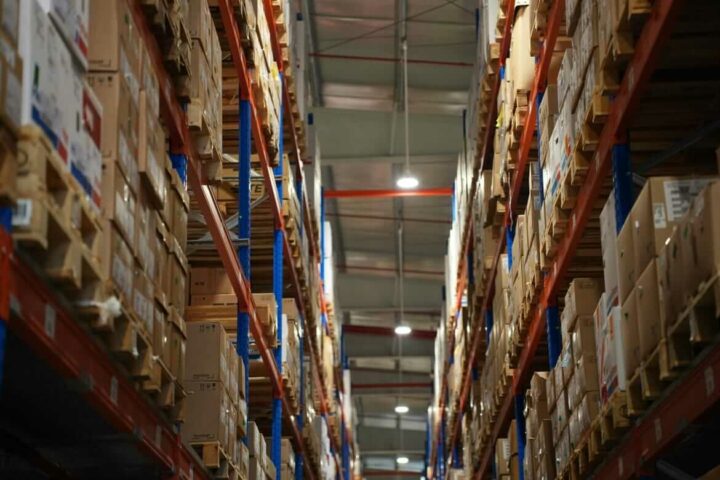
Logistics and fulfilment are often the hardest parts of e-commerce. Allegro has invested heavily in building a network capable of delivering reliably and quickly. Their managed delivery infrastructure now includes tens of thousands of parcel lockers and parcel-pickup points.
Thanks to that, around 33,000 parcel machines and 37,000 other collection points now serve customers, and Allegro plans to expand its own “One Box” locker fleet to over 8,000 by the end of 2025.
This infrastructure gives merchants a huge advantage: they don’t need to worry about shipping logistics themselves. Buyers benefit from fast delivery, which builds trust and encourages repeat purchases. For many merchants, easier logistics means less overhead and stronger margins.
Reason #4: Loyalty and subscription programs that boost buyer value
One of Allegro’s biggest strengths is the loyalty program Allegro Smart!. Smart! users get perks like free shipping and returns, which makes them far more likely to buy again. Allegro reports that Smart! subscribers spend 4.5 times more than non-members.
For merchants, this is a powerful tool. Their products become more appealing (free delivery + return), they get access to a pool of high-value, loyal buyers, and their offers tend to surface better in the marketplace. It’s no surprise many sellers subscribe to Smart! to get that visibility edge – especially those looking to scale.
This loyalty program transforms one-time buyers into repeat customers – something the best sellers depend on.
Reason #5: Integrated financial and advertising tools
Allegro isn’t just a marketplace. It’s an ecosystem that handles payments, financing and advertising. In 2025, its BNPL service Allegro Pay financed a significant share of transactions: about 15.3% of Polish GMV in Q2 alone.
That helps buyers afford larger purchases or split payments, which often leads to bigger shopping baskets. For merchants, this improves conversion rates and average order value. On top of that, Allegro’s advertising tools let sellers promote listings to reach more buyers, and advertising revenue for the platform rose nearly 30% in 2025, showing demand from sellers trying to stand out.
In essence, Allegro simplifies payment, financing, and promotion… all in one place.
Reason #6: Localised experience and deep consumer trust
Allegro was built for Poland and has evolved with the market. That local-first origin matters: shoppers value trusted payment methods, Polish-language support, efficient returns and familiar logistics. As a result, Allegro enjoys broad recognition and trust among consumers in Poland and neighbouring CEE countries.
Because of this trust, new or smaller sellers benefit simply by being listed on Allegro. They don’t need to build brand reputation from zero: being on Allegro lends them credibility. This can significantly reduce, or even eliminate, the marketing burden early on.
Reason #7: International expansion and cross-border growth potential
Allegro isn’t stopping at Poland. Over the last 2–3 years it expanded to new CEE markets such as Czech Republic, Slovakia and Hungary.\
This means that a merchant on Allegro can potentially reach tens of millions more buyers across borders, but without needing to build separate stores in each country. By Q3 2025, Allegro’s international marketplaces had around 4.2 million active buyers, with GMV growth in those segments rising by more than 50–80% year-over-year.
For ambitious sellers looking to scale fast, that cross-border reach (backed by trusted logistics, localised checkout and regional marketing) becomes a powerful lever for growth.
Reason #8: Financial health and long-term platform stability
For sellers, platform stability matters: you don’t want to bet your business on a shaky marketplace. Allegro’s own financials give reasons for confidence. In Q1 2025, consolidated GMV rose 8% year-on-year, and Adjusted EBITDA growth improved to 6.1%. Active buyers across the platform increased by 5.4%, and their average spend rose 3.7% YoY.
Within Poland, GMV growth outpaced overall retail growth, with rising take-rates and rising advertising revenue. These numbers suggest the platform remains healthy, growing and profitable, which matters for merchants counting on long-term cooperation.
Even in 2025 Allegro confirmed a solid outlook: they expect Polish operations to grow, and their planned expansion – both in logistics infrastructure and international reach – signals ongoing support for sellers.
That financial strength and strategic clarity make Allegro a safer bet than many newer or smaller marketplaces.
It’s your time to shine on Allegro
If you’re a merchant (whether a small shop trying to find customers or a larger brand seeking rapid expansion), Allegro offers a rare combination of reach, infrastructure, tools and stability.
With millions of active buyers, strong loyalty programs, integrated financial and logistics services, and growing cross-border opportunities, Allegro gives you a solid launchpad.
For many sellers, joining Allegro isn’t just about listing products. It’s about plugging into an ecosystem built for growth. Given the data and trends, there’s a clear reason why more than 150,000 merchants trust Allegro today – and likely will for years to come.