Best e-commerce automations for DACH retailers using AI (2026)
Discover the top AI-driven e-commerce automations for DACH retailers. Enhance efficiency and stay ahead of the competition.
Retail across Germany, Austria, and Switzerland feels a bit different in 2026. You can sense it in the small moments that used to be “fine” but no longer pass the bar. Customers still shop, but they take longer to decide and they expect the store to communicate clearly at every step. Retail teams, meanwhile, are trying to keep up with faster promo cycles, higher service expectations, and rising costs – all while the list of tools keeps growing.
That mix is exactly why e-commerce automations have become so important for DACH retailers, especially when AI is involved.
You can automate the repetitive work that clogs customer support, slows marketing, and eats away at margins, while still keeping the experience consistent and trustworthy. When automation is done well, customers mostly experience it as “this store is easy to shop from”.
Let’s read the below article, which focuses on automations for DACH e-commerce that matter in 2026.
Why AI-driven e-commerce automations matter in DACH
DACH has a specific retail “culture,” and you can’t ignore it when you talk about automation. Shoppers are quick to notice inconsistency, vague language, and messy processes. And they tend to reward brands that communicate clearly and do what they promised.
Add the reality of GDPR expectations, multi-language needs, and cross-border shipping complexity, and it becomes obvious why manual processes break down faster here than teams expect.
2026 is a year where retailers stop treating AI like a futuristic experiment and start treating it like a practical engine for efficiency and growth.
That matters because the biggest pain points in retail are not exotic problems – they are repetitive workflows that pile up in volume. The same questions show up again and again, the same edge cases appear every week, and the same customer frustrations happen in predictable places like delivery, returns, and checkout.
If you’re juggling abandoned carts, follow-up emails, and ad spend, you can feel how manual work eats your day and still leaves you uncertain about results. Thus, keeping automation grounded may be really beneficial for you. Every time a customer does something (or doesn’t do something), and the system reacts in a consistent, timed, measurable way.
Numbers are a solid reminder that automation is not “nice to have” when you’re fighting for margin:
- The global average cart abandonment rate is around 70%.
- Well-built abandoned cart flows often recover 10–15% of lost sales, especially when the first message lands quickly.
- Companies using automation can see revenue lift up to 25%.
- Every $1 spent on marketing automation can return $5.44.
- 76% of companies see positive ROI within the first year.
The message is clear: when automation is set up with intent, it usually pays for itself faster than people think.
In DACH, the best part is that automation does not need to be “pushy” to work. In fact, it tends to work better when it feels calm, helpful, and precise, because that matches customer expectations.
The most valuable e-commerce automations DACH retailers use in 2026

This is where the conversation gets practical, because the most valuable automations usually have one thing in common: they deal with a high volume of repeatable situations that customers care about, and they remove friction without introducing confusion. If you’re choosing where to start, you’ll usually see the fastest results in post-purchase, returns, and cart recovery, because that’s where “small improvements” compound quickly.
What follows is a set of e-commerce automations you see over and over in 2026, mapped to what DACH retailers actually deal with every day.
Intelligent order tracking
If you run an e-commerce store, you already know the reality: a huge share of inbound messages are still “Where is my order?” and variations of it.
Order tracking is a frontline necessity in 2026, because it’s high volume, highly emotional, and often time-sensitive. When a package is late, customers don’t want vague reassurance. You need to show a clear status update and a plan.
AI-driven order tracking automations typically connect to shipping and order systems so they can deliver real updates. In practice, that means customers can ask about shipping status through chat or voice, get a personalized answer based on their order number, and even adjust delivery preferences when it is supported.
Proactive messaging is also a good idea, because it flips support from reactive to preventive. Instead of waiting for the customer to complain, the system can flag delays and send an update before frustration builds.
For DACH retailers, this kind of automation also supports brand trust because it makes communication consistent across channels. Customers might check an email update, then open a chat, then call, and they expect the same answer every time. If you have a strong automation layer, that becomes a normal experience rather than a lucky accident.
💡 The business impact is usually felt quickly, because every order tracking interaction you deflect from human support is time saved, and every proactive update you send reduces repeat contacts and escalations. Your support team can spend more time on edge cases, while customers get answers faster and with less effort.
Returns, exchanges, and refunds automation
Returns are one of the most expensive parts of e-commerce, and they are also one of the easiest places to lose a customer if the process feels complicated.
Thus, return automation is a major 2026 use case, and it’s easy to see why: returns are rule-based, repetitive, and full of predictable steps that do not need a human every time.
AI-driven returns automation can handle eligibility checks, policy explanations, label creation, pickup scheduling, and exchange recommendations. All while pulling context from order history. The exchange part is often underrated, because it can reduce refund volume without making customers feel trapped. If a customer is returning a size that doesn’t fit, a good automation can recommend the right size or suggest a similar product, and it can do that in a calm, non-salesy tone.
In DACH, returns automation also benefits from being very clear about the rules and timelines. Customers tend to appreciate transparency and clarity more than persuasion, so a system that explains what happens next, what options are available, and what the timing looks like can reduce frustration even when the answer is “no.”
💡 From an operational view, returns automation lowers ticket volume and improves containment, but the bigger win is that it creates a consistent process that scales during peak seasons.
AI-powered guided selling and product discovery
Product discovery is less about filters and more about conversation, especially when the product category is complex. Customers expect something closer to “talking to an expert,” and that shift shows up strongly in categories like electronics, skincare, home appliances, hobby equipment, and anything with compatibility requirements.
Guided selling automations help customers narrow choices through questions that feel natural.
- A shopper might say they need a laptop for video editing and travel
- Or they want skincare for sensitive skin and redness,
No matter the use case, the system can guide them toward a smaller set of options with explanations they can understand. The key is not just recommending items, but explaining why the recommendation matches what the customer said, because that builds trust and reduces return risk.
Guided selling also helps in multilingual contexts, especially if you serve German plus English, French, or Italian audiences. A consistent guided experience across languages can reduce customer uncertainty and improve conversion rates, without needing a larger support team.
The business impact shows up in conversion rate and average order value, but also in lower returns, because customers make better choices upfront.
Personalization across loyalty and omnichannel journeys

Personalization is a loaded word, because people associate it with creepy over-targeting. But the best personalization in 2026 is subtle and useful.
Retailers are activating customer data in real time, and that is important because personalization works best when it reacts to what the customer is doing now, not what they did six months ago.
Personalization automations can tailor promotions and bundles, explain loyalty tiers in plain language, recommend the most relevant offer based on behavior, and keep context across channels. The last part is a big deal for DACH retailers because shoppers often move between web and mobile, and they do not want to repeat themselves. If someone asks about a product in chat and later continues in email or voice support, context continuity feels like good service, not like “AI.”
A good rule for DACH: personalization should feel like helpful relevance. If the system is always pushing discounts, it cheapens the brand and trains customers to wait. If it instead focuses on clarity, relevance, and timing, it can lift conversion while keeping trust intact.
AI-powered customer service across chat and voice
Customer service is still the beating heart of retail operations, and it is also one of the most expensive places to scale manually.
AI elevates contact centers through different automations, consistent answers across channels, and , whether a retailer has an in-house customer service team or they outsource to a call center to improve that business process.
However, nobody wants a chatbot that loops and refuses to help, and DACH customers tend to have low patience for that. The best 2026 setups focus on containment without pretending every situation is simple. When a case is straightforward, agentic AI can resolve it quickly. When the case is complex, the system can hand off to an agent with full context so the customer doesn’t have to repeat everything.
Moreover, voice is becoming more natural and reliable with hybrid approaches that reduce hallucinations (which is important because voice is often where high-value customers still go when something feels urgent).
If voice automation is accurate, it can reduce call volume and handling time. If it is inaccurate, it harms trust quickly. In automations for DACH e-commerce, accuracy and consistency matter more than “clever conversation.”
Inventory, product availability, and store information automation
This is one of those automations that looks simple but pays back every day. Customers constantly ask whether an item is in stock, which store has it, what the store hours are, and whether pickup is available.
Therefore, inventory and store information automation are key 2026 use cases – they remove friction from the shopping journey and reduce service bottlenecks.
For omnichannel retailers in DACH, inventory automation also supports foot traffic and local pickup. If a customer can quickly confirm that their size is available in a nearby store, they are more likely to visit today instead of delaying and forgetting. That’s a small change that compounds over time.
💡 This automation becomes even more valuable when it plugs into guided selling. If someone is comparing items and asks what is available locally, the system can factor real inventory into recommendations, which reduces disappointment and improves conversion.
Fraud detection and secure transactions
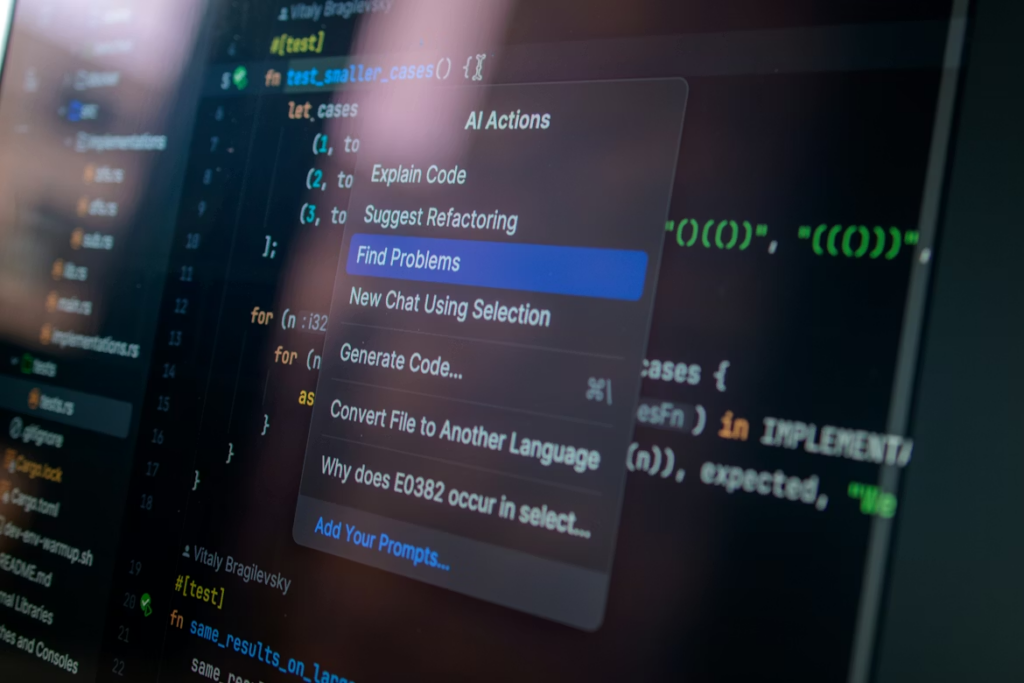
Fraud prevention is not glamorous, but it is a big part of protecting margin. Fraud detection is a critical retail risk use case in 2026, too. Plus, this is one of those areas where AI can spot patterns humans miss, especially across returns, payments, and account behavior.
Fraud automations can flag suspicious orders, identify return abuse, detect account takeover risks, and reduce false positives that block legitimate customers. That last part matters in DACH because customers expect smooth checkout, and too much friction can cost you sales quickly.
The goal is strong protection that still feels calm and fair.
Intelligent workforce and store operations automation
Not all automation is customer-facing, and some of the highest leverage work happens behind the scenes.
Examples are:
- workforce scheduling,
- traffic insights,
- associate knowledge support,
- stock gap detection,
- and shelf auditing.
These are the kinds of automations that help retail teams operate with less chaos.
If you run stores, scheduling and training are constant pain points, especially when traffic shifts and promotions change. AI support tools can help store associates find product answers quickly, keep up with new releases, and handle common questions with confidence.
When done well, that translates to better in-store experience and fewer escalations, which means fewer angry follow-up calls and emails later.
Marketing e-commerce automations that still drive revenue in 2026
Retail AI gets a lot of attention, but marketing automation is still the place where many retailers see immediate revenue impact – because it connects directly to conversion and repeat purchases. But the difference in 2026 is that more marketing automations for DACH e-commerce runs across channels, not just email.
The abandoned cart recovery flow
Madgicx calls abandoned cart recovery the “undisputed king,” and it is hard to argue with that. As we have said before, global cart abandonment is sitting around 70%, and well-built flows can recover 10–15% of those lost sales when timing is tight and messaging stays helpful.
For DACH retailers, the best abandoned cart flows usually keep the tone calm and practical. The first message acts like a reminder with a clear link back to checkout. Follow-ups can address common hesitations like delivery timing, returns, or payment options, without sounding like pressure. If you add an incentive, it should feel intentional, not automatic, because constant discounts train customers to abandon on purpose.
The welcome series
Welcome automations are where you introduce your brand and set expectations. Welcome emails can hit around 3% conversion rate in some cases, and the bigger impact is that a good welcome series improves long-term engagement. For DACH, this is also where you can communicate shipping terms, returns clarity, and brand values early, which reduces future support volume.
The best welcome flow is not a single email. It is a short sequence that gives the customer a reason to trust you and a clear next step that feels easy.
Post-purchase follow-up automations
The post-purchase moment is where you either build loyalty or you disappear. A strong post-purchase flow covers confirmation and clarity first, then moves into review requests and product education, and later introduces cross-sells that actually match what the customer bought.
Product education matters because it reduces returns. If you sell skincare, coffee, supplements, or electronics accessories, “how to use it” is often the difference between a happy customer and a refund request.
Win-back and re-engagement
Re-engagement is one of the calmest automations and often one of the most profitable, because it targets people who already trust you. The key is timing and relevance.
A win-back flow that triggers after a sensible gap, with a message that feels like a genuine check-in, can bring customers back without heavy discounting.
Replenishment reminders
If you sell consumables, replenishment reminders are one of the easiest wins in 2026. You’re not trying to convince the customer they need something; you’re reminding them before they run out.
For DACH, this is also a customer experience move, because it helps people avoid the annoyance of being out of a product they like.
A practical rollout plan for DACH retailers starting now

If you want automations for DACH e-commerce to feel manageable, start where automation pays back fastest and where mistakes are least risky.
A smart rollout sequence in DACH often looks like this:
- Start with abandoned cart recovery and post-purchase flows, because they are measurable and low risk
- Add order tracking and returns automation next, because they reduce support cost and improve trust
- Add guided selling once your product data is clean, because the quality depends on your catalog
- Expand into omnichannel and voice when your scripts and handovers are strong
What matters is not how many automations you have. It’s whether the ones you launch feel consistent, accurate, and easy for customers.
Last words on automations for DACH e-commerce
The best e-commerce automations in 2026 rarely feel like a flashy tech layer to customers. They feel like a store that communicates clearly, responds quickly, and keeps promises without drama. That matters a lot in DACH, where trust, consistency, and precision shape repeat buying more than clever slogans.
If you want one simple takeaway, it’s this: start with automations that remove friction in moments customers already care about. Because that is where AI creates value without risking brand trust.
Once those foundations are stable, you can move into guided selling, deeper personalization, and omnichannel experiences that feel genuinely helpful.