Better, faster, greener: How fulfillment got a 2025 upgrade
Discover how fulfillment is transforming in 2025 with smarter warehouses, AI-powered customer journeys, and greener, faster logistics.
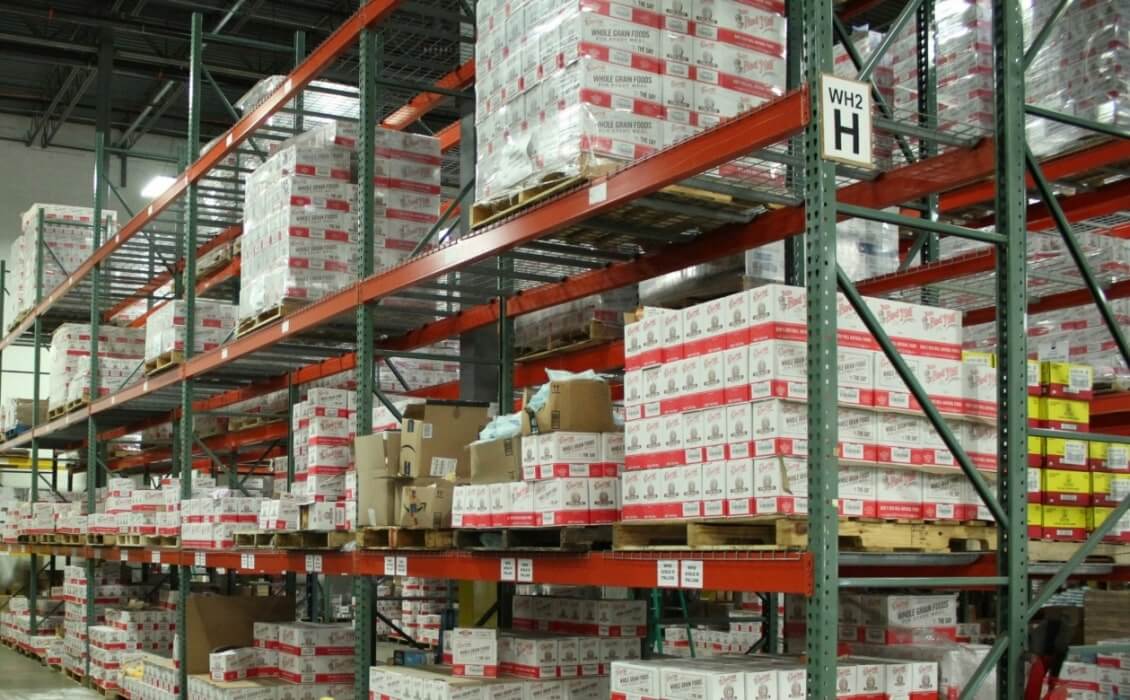
Better, faster, greener – fulfillment has never mattered more.
In 2025, how products move has become a big part of how brands grow. It’s not just about shipping anymore. It’s about earning trust and reducing waste, all while keeping up with rising demand.
AI predicts problems before they happen. Robots help speed up daily tasks. Personalization connects what you ship with how people feel about your brand.
Across Europe and other key markets, top companies are rethinking storage and delivery. Goods now move with more care and more precision.
This article looks at how fulfillment has improved in three main areas. We cover smarter warehouses, AI-driven customer journeys, and tools that link logistics with real-time updates.
Fulfillment today is more than a step in the process. It’s the moment where service, speed, and loyalty meet.
#1 Smart fulfillment & warehouse automation
What used to be manual and reactive is now automated and scalable.
In this section, we turn our attention to how major players like SAP, Microsoft, Zalando, and Allegro are rethinking fulfillment from the ground up.
Whether through robotics, digital twins, or machine learning, these tools are helping retailers simplify operations and meet rising customer expectations across borders.
Automation that scales with you: SAP’s smarter warehousing
SAP is doubling down on logistics innovation using AI, automation, and cloud technology to help businesses run faster, cleaner operations.
Its newest solutions are built not only for speed, but for scale and resilience.
The goal: warehouses and supply chains that work smarter, even during disruption.
One of the core developments is Joule, SAP’s new AI copilot for supply chain planning. Joule can run real-time simulations, predict delays, and suggest the best next steps. In early tests, it helped companies cut planning time by up to 35%. This means faster reactions, less downtime, and better control over complex logistics flows.
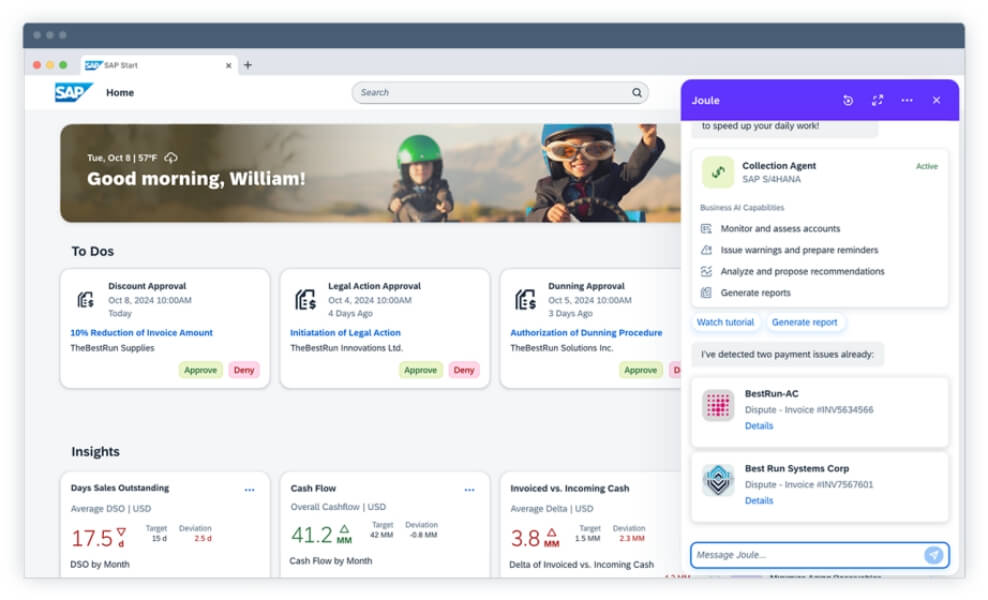
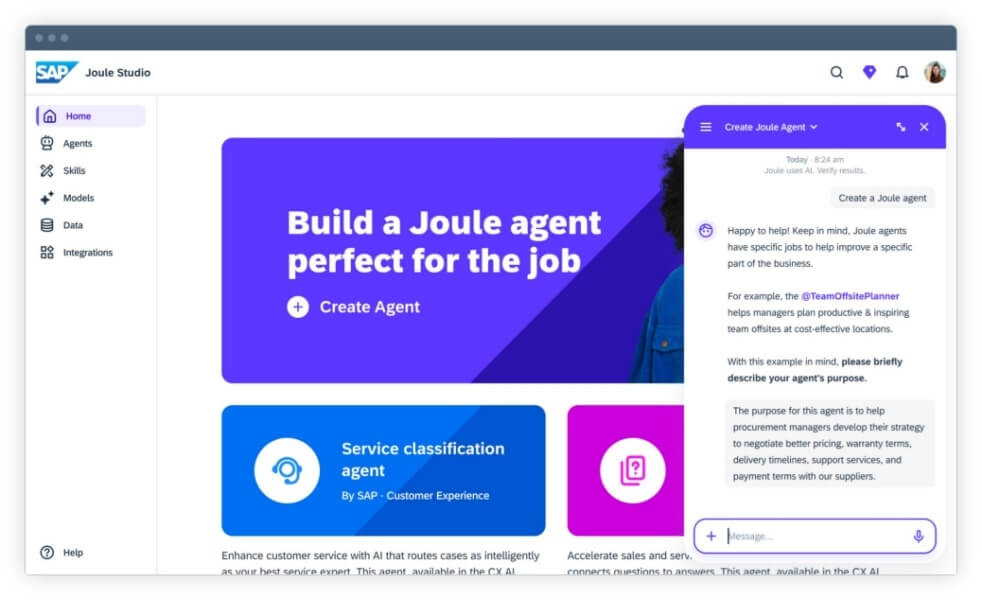
SAP has also introduced agent-based AI systems. These act like digital workers that monitor and adjust operations automatically. No matter if it’s rescheduling deliveries or managing equipment maintenance, they work in the background to keep the system running.
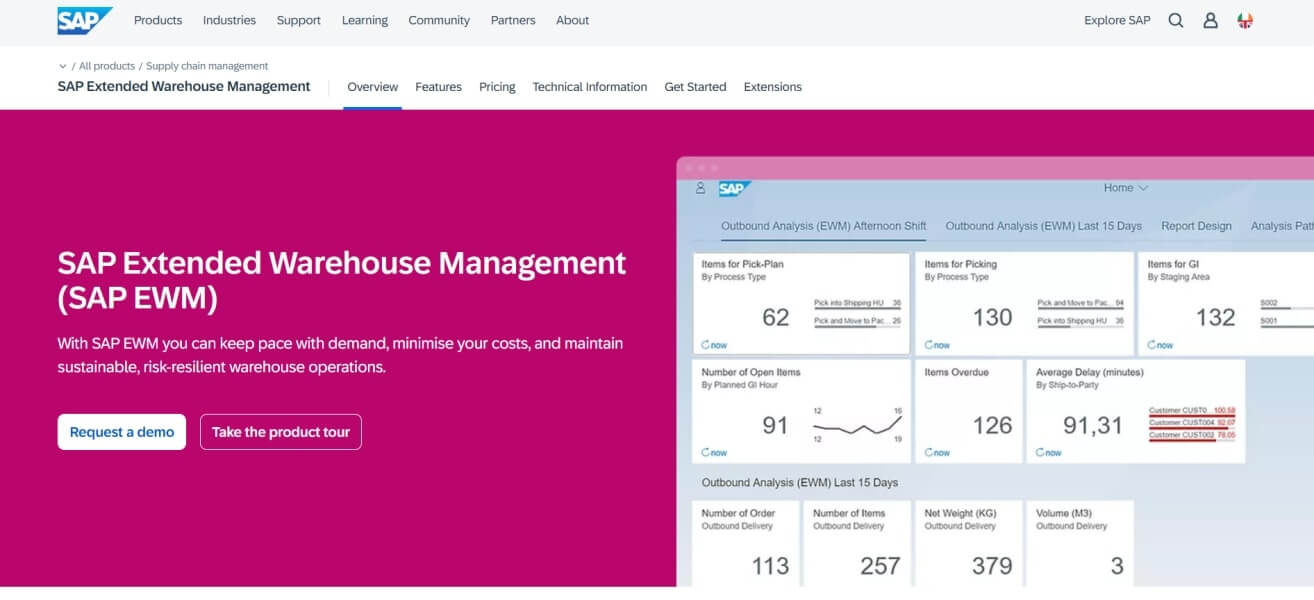
Warehouse automation is another major focus. SAP’s Extended Warehouse Management (EWM) software is now used by leading global brands. It connects easily with robots and automation tools, letting businesses handle more orders with fewer manual tasks. In practice, this means smarter storage, faster picking, and better use of labor, especially during busy periods.
Sustainability is also a key part of SAP’s 2025 vision. The updated SAP Business Network helps track real transportation emissions across the entire supply chain. Businesses can now get accurate carbon data in real time and use it to meet environmental goals or compliance standards.
There’s also growing support for circular logistics, which helps companies reuse materials and reduce waste across operations.
All of this runs on SAP’s Business Data Cloud – a unified platform that brings together ERP, warehouse data, and real-time analytics. This gives decision-makers a full view of what’s happening and what’s coming next, helping them act quickly and with more certainty.
SAP’s 2025 tools are preparing companies to stay ahead of change. From planning to picking, every step of fulfillment is becoming more agile and easier to scale.
The cloud gets hands-on: Microsoft’s digital twins in fulfillment
Microsoft is helping reshape how global e-commerce supply chains work quietly but firmly. With a mix of cloud services, AI, and digital twins, the company supports faster deliveries, sharper planning, and greener operations.
One of the major upgrades this year is the use of agentic AI and generative AI in logistics.
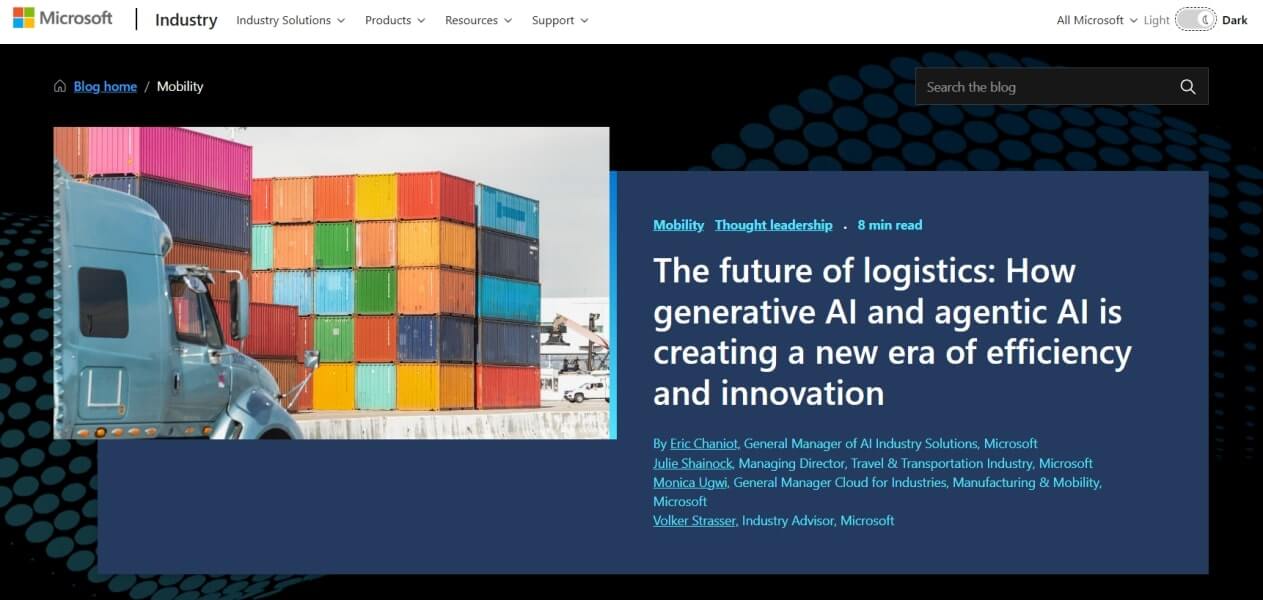
These tools step in where manual planning used to slow things down.
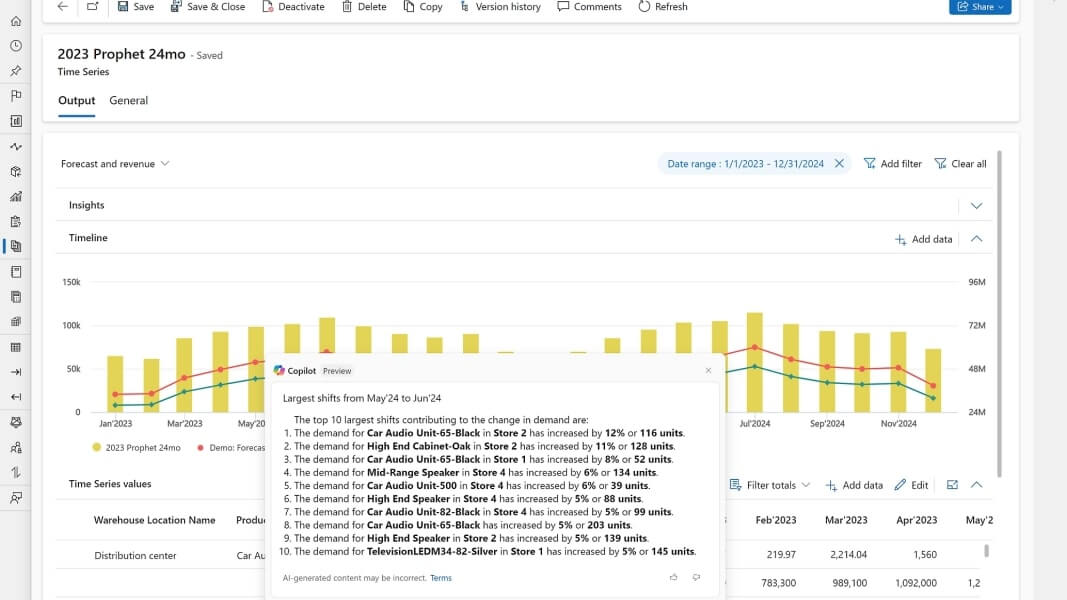
For example, AI can now plan shipments, spot shortages early, and help deal with delays before they turn into bigger problems. This means less guesswork and better timing for inventory.
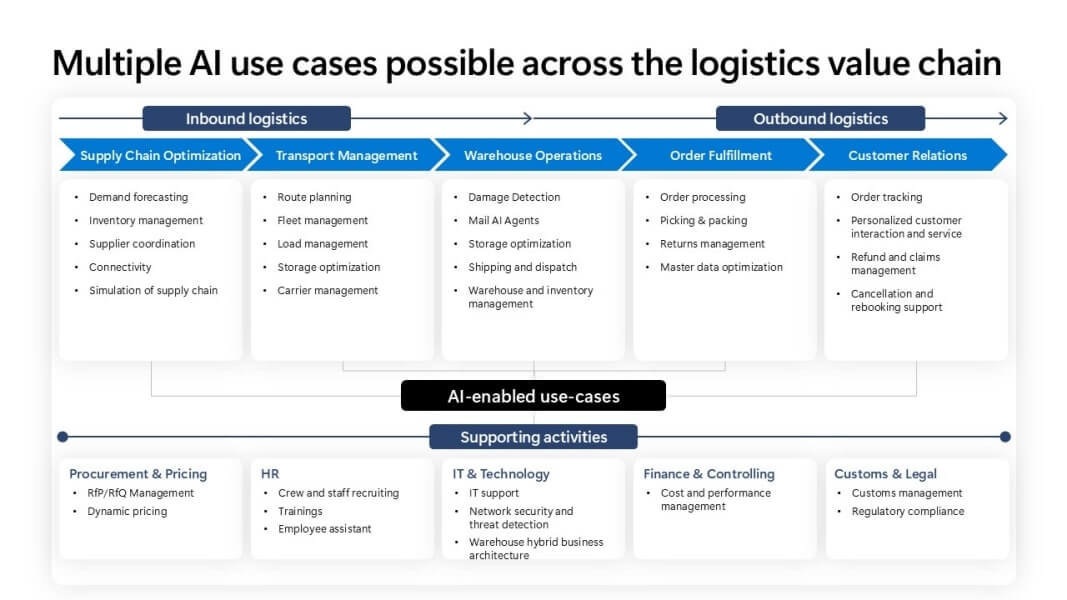
Microsoft’s Adaptive Cloud for Logistics brings all of this together. It connects data from different systems, even across borders or separate warehouses. Teams can work from real-time information. No more waiting on weekly reports or chasing updates from suppliers.
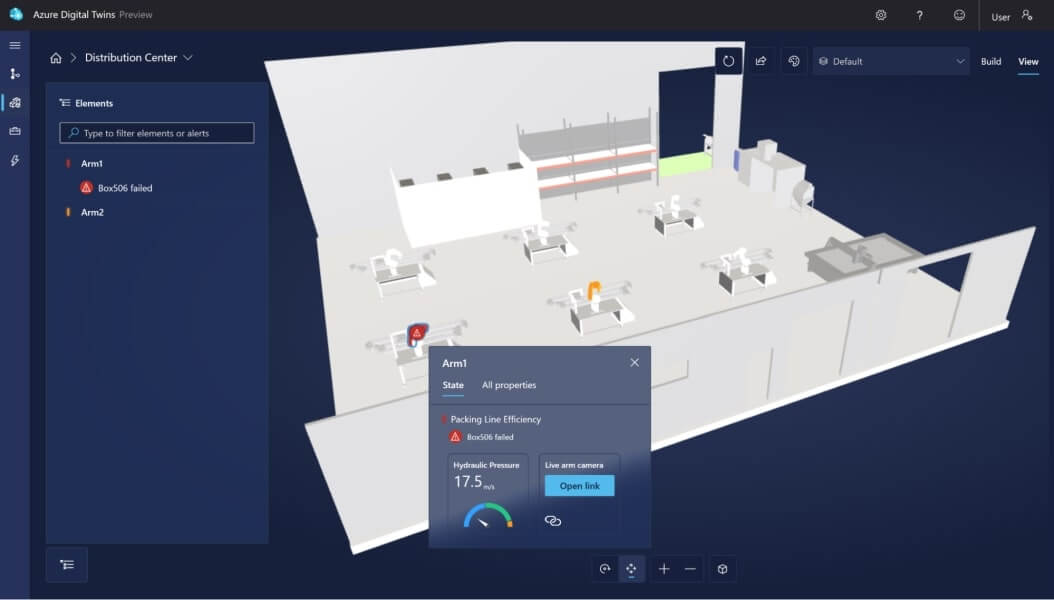
On the warehouse floor, Microsoft is also pushing for smarter layouts and better use of space. The digital twin model creates a live digital copy of a real warehouse. It shows what’s happening now, not yesterday. It also helps test layout changes or delivery options before spending money or moving shelves. In short, it saves time and reduces risk.
Through partnerships like the one with Blue Yonder, Microsoft supports robotics systems too. These robots handle picking, sorting, and stock counting with minimal input. They’re especially useful during high-demand periods like sales or seasonal peaks.
“Once you have a solid visibility solution, you get to do really cool things. Because all that data essentially becomes a digital twin of your supply chain, and then you can model things, end to end, and predict where your supply chain issues are going to be. We’re grateful to Blue Yonder for helping us build a world-class supply chain that’s agile, resilient and innovative — so we can deliver the most reliable and trusted cloud out there.” – General Manager, Microsoft Cloud Supply Chain Strategy and Transformation
The Dynamics 365 Supply Chain Management platform connects it all. It merges orders, inventory, and suppliers in one place. Built-in analytics help spot trends, react to changes, and stay ready for demand spikes or sudden delays.
Sustainability also sits high on Microsoft’s logistics agenda. Its platforms now track actual emissions, not estimates. This helps companies meet environmental targets and prepare for new regulations. They also support circular models, where materials are reused, repaired, or resold instead of ending up in landfill.

Cross-border in style: Zalando’s ZEOS makes fulfillment fashion-ready
Zalando’s logistics arm, ZEOS, is turning heads in 2025 for how it works behind the scenes. What started as a warehouse solution has grown into a full operating system for fashion and lifestyle e-commerce in Europe. And it’s making cross-border fulfillment easier for brands of all sizes.
ZEOS Fulfillment lets companies manage their multi-channel sales using one shared stock pool, one carrier network, and one control panel. It now serves 12 fulfillment hubs and 20 returns centers, linked to over 40 carriers across 23 European markets. Whether a product is listed on Zalando, About You or your own e-commerce, it all runs through the same system.
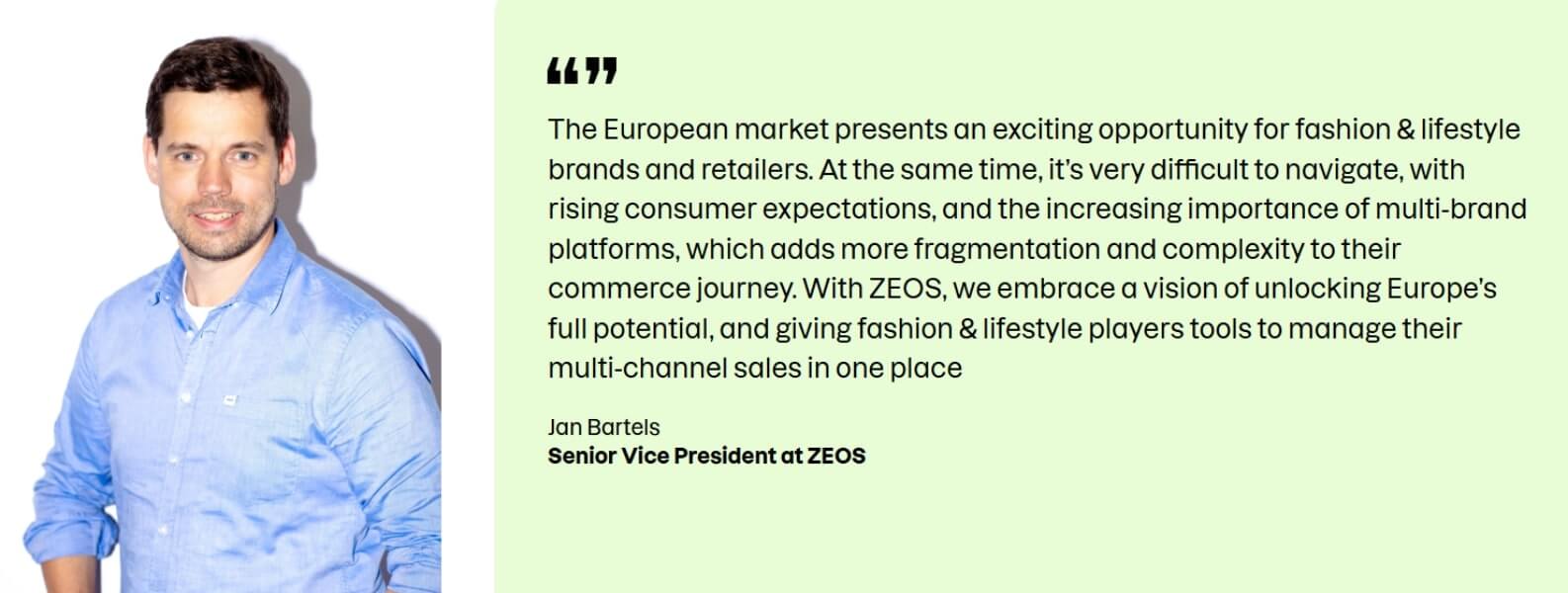
The setup is built for local speed and regional reach. For example, a shopper in France gets their delivery faster if it ships from a French warehouse. But stock isn’t always close by. That’s where demand prediction models come in. ZEOS uses machine learning to place products where they’re likely to sell, cutting transport time and waste in one move.
One standout feature is virtual bonded warehousing. By allowing goods to move between fulfilment centres without leaving bonded status, it removes many of the usual hurdles around customs and cross-border taxes, preventing double-duty payments and reducing clearance delays.
Thanks to ZEOS’s Europe-wide network of 20 return centres, their partners can benefit from fast and efficient returns processing, refurbishment, and relisting — turning returns from a cost driver into a recovery channel. Meanwhile, broader platform-level changes by Zalando (e.g. shortening the return window from 100 to 30 days in core markets from 2025) accelerate inventory turnaround, reduce overstock risk, and support more sustainable stock management
Zalando has already reduced operational emissions by 82%. Private label products now carry 48% less emission intensity. And ZEOS applies this culture of efficiency to logistics — for example, by enabling order consolidation, which can cut up to 30% of packages sent unnecessarily. It’s a win for brands, customers, and the planet.
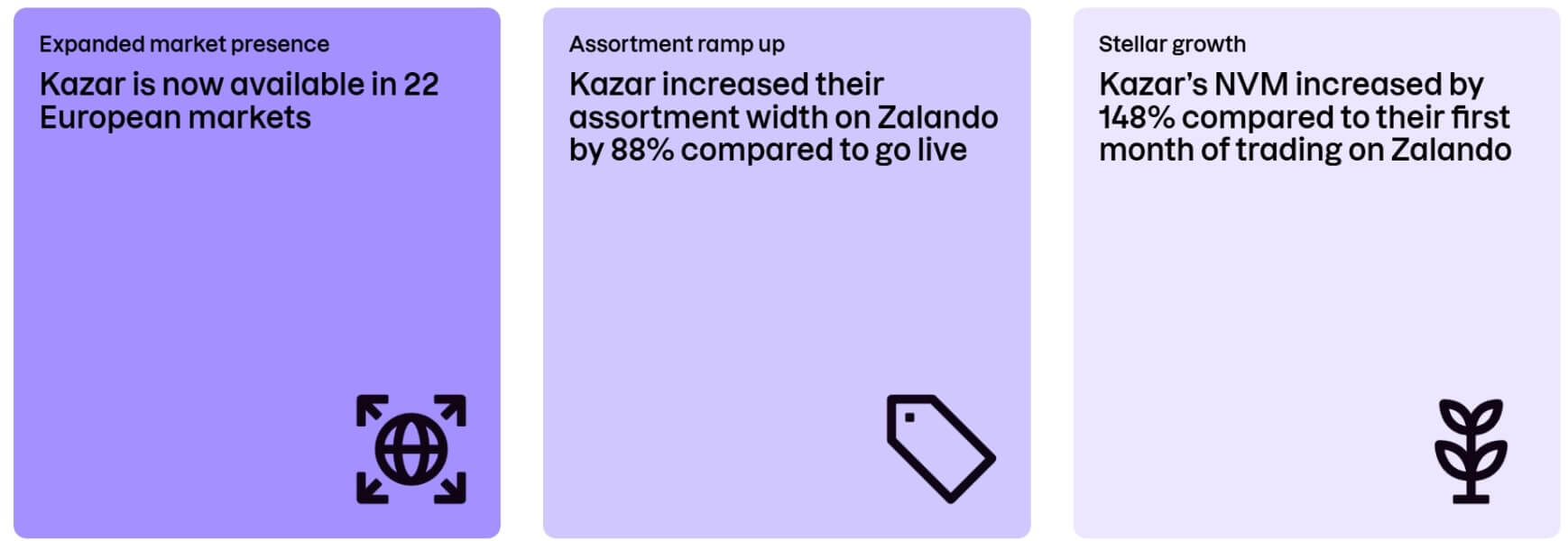
Success stories are stacking up. Brands like Kazar have used ZEOS to expand across 22 markets. Thanks to tapping into ZEOS’s local fulfillment and multi-market delivery, Kazar shortened delivery times, improved customer retention, and launched on new platforms beyond Zalando.
ZEOS operates independently, with 350 staff in Berlin and Stockholm, and handles all merchant data under strict compliance rules. It’s the engine behind Zalando’s B2B growth.
For any brand aiming to reach customers across Europe without setting up their own network, ZEOS is fast becoming the go-to option. Fewer headaches, better reach, and delivery models built for real shopping habits – doorstep in Italy, pickup points in Sweden.
“At ZEOS, we are transforming logistics from a cost centre into a strategic tool for commercial success. By unifying inventory into one stock pool accessible across both marketplaces and direct-to-consumer channels, we allow brands to maximise available assortment while improving stock turnover by >10% at the same time. This approach ensures brands can meet local convenience expectations across Europe, turning every delivery into a loyalty-building advantage rather than just an operational task.” said Andreas Hönl, Director of Commercial at ZEOS.
Next-day, no sweat: Allegro’s one fulfillment model
Allegro is rewriting the rules of e-commerce logistics in Central Europe. Its One Fulfillment model gives sellers a complete service: from storing goods to packing and delivery.
This setup helps sellers reach more customers and keep up with growing demand.
The service is built for speed. Sellers who use One Fulfillment can promise same-day or next-day delivery in many parts of Poland. Orders are packed and shipped from one of Allegro’s automated warehouses, where robots sort and prepare packages with minimal delays.
One Fulfillment works across multiple marketplaces, not only Allegro. Sellers can keep one central stock and ship orders from there. This keeps things simple and cuts down on double handling.
Allegro’s network of parcel lockers supports this model. This year, the company added 2,500 new lockers across Poland, and expanded into the Czech Republic. These lockers give buyers more control over where and when they collect their parcels. They’re also cheaper than home delivery and work well in crowded cities or rural areas.
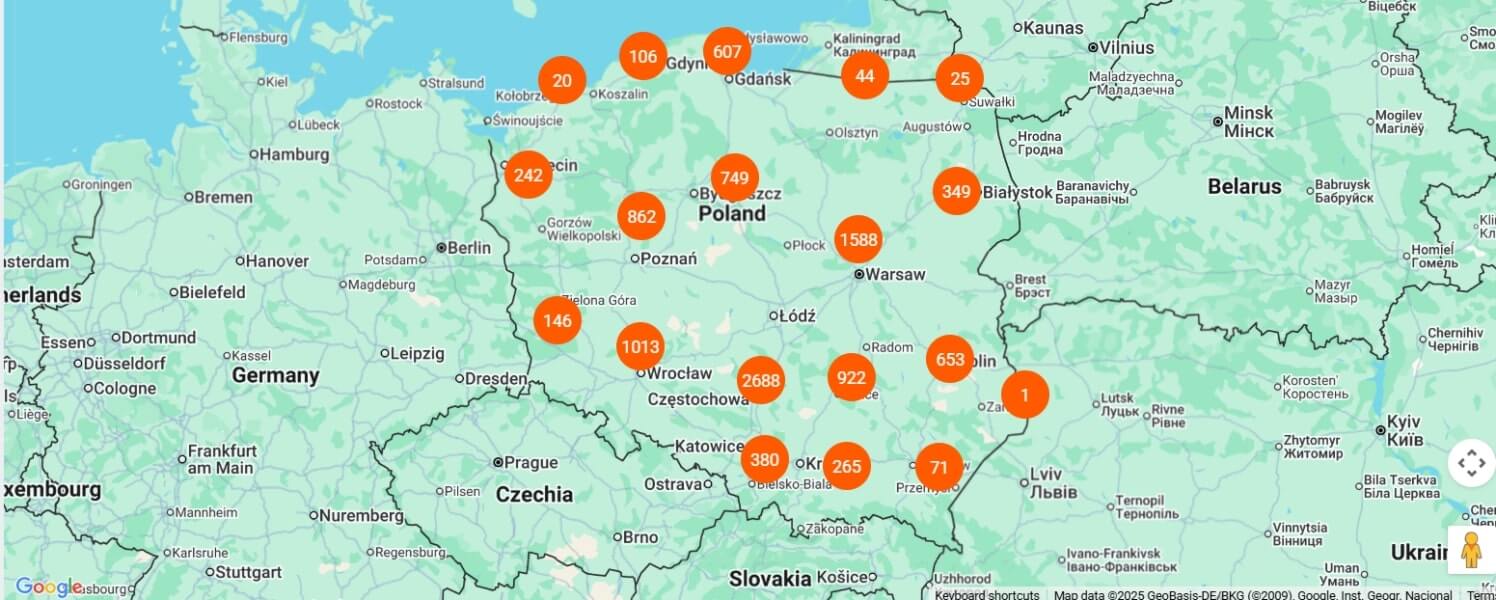
Source: Allegro
To support all this, Allegro has also improved its warehouse software. The system tracks every product, monitors demand, and updates sellers in real time. This helps sellers avoid stockouts and adjust prices when demand shifts.
Returns are part of the process, too. One Fulfillment groups items from multiple sellers into a single parcel, so customers don’t need to handle several return forms. This reduces packaging waste and shortens the return cycle.
Allegro is also making it easier for sellers to go global. Merchants using One Fulfillment can ship to other countries without setting up separate contracts or warehouses. Allegro takes care of the logistics, helping brands focus on reaching new customers.
Thanks to building more of its own delivery and warehouse services, Allegro is spending more now but planning to save later. Controlling more of the logistics chain cuts costs and gives the company room to test new delivery models.
#2 AI-powered customer experience & personalization
Fast shipping isn’t enough anymore. Today’s customers expect relevance, from the first click to the final delivery.
And they’re not shy about it: 73% of customers expect better personalization as technology improves, and 76% get frustrated when it doesn’t happen.
In this section, platforms like Bloomreach, Mailchimp, and Braze are rewriting the rules of engagement. They use agentic AI and behavioral data to personalize every part of the journey in real time.
And customers respond: 91% are more likely to shop with brands that get personalization right.
From browsing to buying: AI-powered personalization with Bloomreach
Bloomreach is helping retailers turn browsers into buyers using AI tools that react in real time. The platform now connects marketing, product discovery, and inventory planning into one system. For global brands, that means sharper decisions and quicker results.
At the core is agentic AI. These are autonomous tools that take on full tasks. For example, a marketing agent can build and run a full email campaign based on customer behaviour. While teams focus on strategy, AI takes care of the day-to-day work.
Another key feature is Clarity, Bloomreach’s conversational shopping tool. It came from the company’s deal with Radiance Commerce. Clarity talks to shoppers through search bars or product pages. It lists products and understands questions and points people in the right direction.
The system is smart enough to run these conversations across 33 languages. This makes it useful for brands selling in several markets at once.
Shoppers in Spain, Germany, or Italy get the same fast, natural help without needing a translator behind the scenes.
Personalisation happens in real time.
Recommendations+ uses AI models to track what shoppers do on the site: where they click and how long they stay. It then updates the product feed to match their preferences. The longer a shopper stays, the more accurate the system gets.
Behind it all is a unified data platform. This connects customer data with product data, so retailers know what’s trending, what’s low in stock, and what should be promoted. It also helps manage delivery timing and stock levels based on real demand, not guesses.
Retailers using Bloomreach have reported strong results. Wolseley increased order values by 25%, while Bensons for Beds saw a 41% rise in e-commerce sales. Both used AI search and automated customer journeys.
Bloomreach is now expanding across Europe, with new operations in Spain and Italy. It already works with brands like Puma, Bosch, and Marks & Spencer: proof that its tools work across fashion, tech, and home goods.

With these features in place, Bloomreach helps businesses move faster from first click to checkout, turning visits into conversions with data that learns by the second.
Campaigns that ship (literally): AI-driven fulfillment at Mailchimp
Mailchimp is using AI to help businesses track customers, write smarter messages, and connect marketing to what happens after the order is placed. The result? Faster delivery and emails that actually lead to shipments.One of the main features this year is Intuit Assist, a built-in AI helper across the platform. It takes raw customer data and turns it into ready-made campaigns. You don’t need to start from scratch – it writes subject lines, messages, and product suggestions based on your brand. All you have to do is edit and press send.
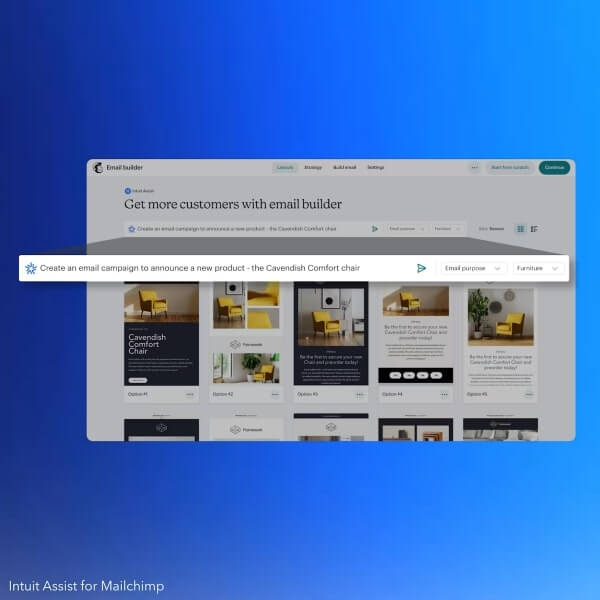
It’s not only about what you send, but when you send it. Mailchimp tracks customer habits and helps you pick the best moment. That could mean an SMS reminder on Tuesday morning, or a promo email on a Sunday night. The timing is tuned to each user, not one-size-fits-all.
The automation flows are where things get interesting. Once someone joins your list, the system knows what to do: welcome them, remind them about a cart, or tempt them back after a long break.
These flows can now include SMS and social, not just email, making the whole experience feel more personal.
Mailchimp also connects directly to platforms like Shopify, WooCommerce, and Adobe Commerce. This means it pulls in real-time product and stock data. If something’s low in stock, the system won’t push it. If a customer often buys home goods, it won’t suggest trainers. Everything matches what’s in the shop and who’s shopping.
For teams looking to test ideas, A/B testing is built-in. Want to know if a red button works better than a blue one? Mailchimp will send both, track the results, and go with the winner. That means less guessing and more clicks.“It’s not always obvious what’s going to resonate best with our customers, but with Mailchimp, we’ve been able to identify a strategy that doubled our engagement and revenue.” – Wombi Rose, co-founder of Lovepop.
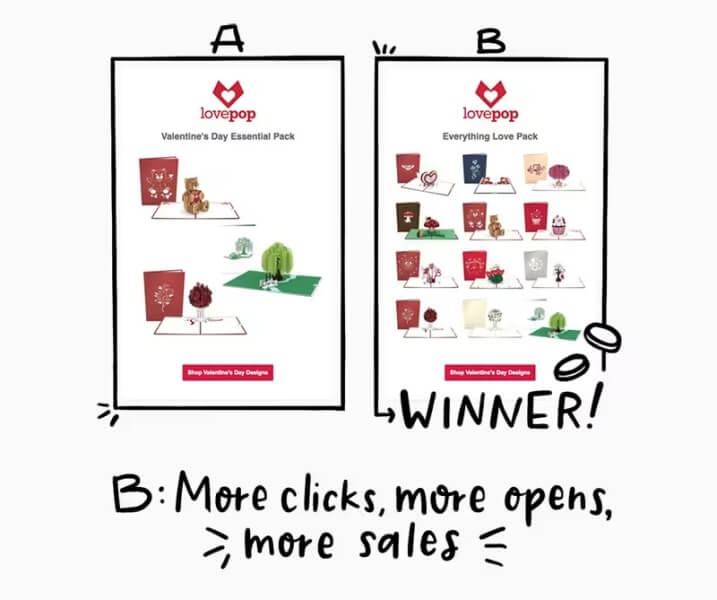
What’s new this year is that all this marketing activity connects back to fulfillment. By predicting who’s likely to buy, Mailchimp helps shops prepare inventory, reduce returns, and ship faster. Sellers using AI-driven campaigns have reported up to 30% more conversions, which also means more stock moving out the door.
All in all, Mailchimp’s emails don’t just talk, they act. In 2025, marketing and fulfillment walk hand in hand. And for many sellers, that’s the first step toward smarter growth.
“Shoppers compare prices, availability, and delivery times simultaneously, switching between platforms at lightning speed,” explains Franz Riedl, DACH Lead at Intuit Mailchimp. “It’s crucial to deliver the right offers through the right channels at the right time. This is exactly where Mailchimp’s new features come into play. With enhanced SMS capabilities, brands can now alert customers directly to time-limited deals or important order updates. And with one-time-use Shopify discount codes, retailers can run personalised promotions securely, without losing revenue through code-sharing. These tools give German merchants exactly what they need to make the most out of marketing campaigns.”
Know your customer: Braze’s agentic AI journeys
Braze is taking customer engagement to a new level. Its agentic AI tools help brands build fully personalised paths for each shopper. These journeys adapt in real time, responding to what someone does: clicks, buys, or even abandons a basket.
Braze’s latest move was the acquisition of OfferFit, a company known for its AI decisioning agents. These agents run experiments without human input. They test content, timing, and channel choices until they find what works best for each person.
This means brands can avoid one-size-fits-all campaigns. Instead, they get 1:1 journeys tailored by AI.

These agents live inside Project Catalyst, Braze’s native engine. They choose content, timing, and triggers. They also adapt when someone makes a purchase or checks delivery updates. That means customers hear from brands at the perfect moment, not too early or too late.
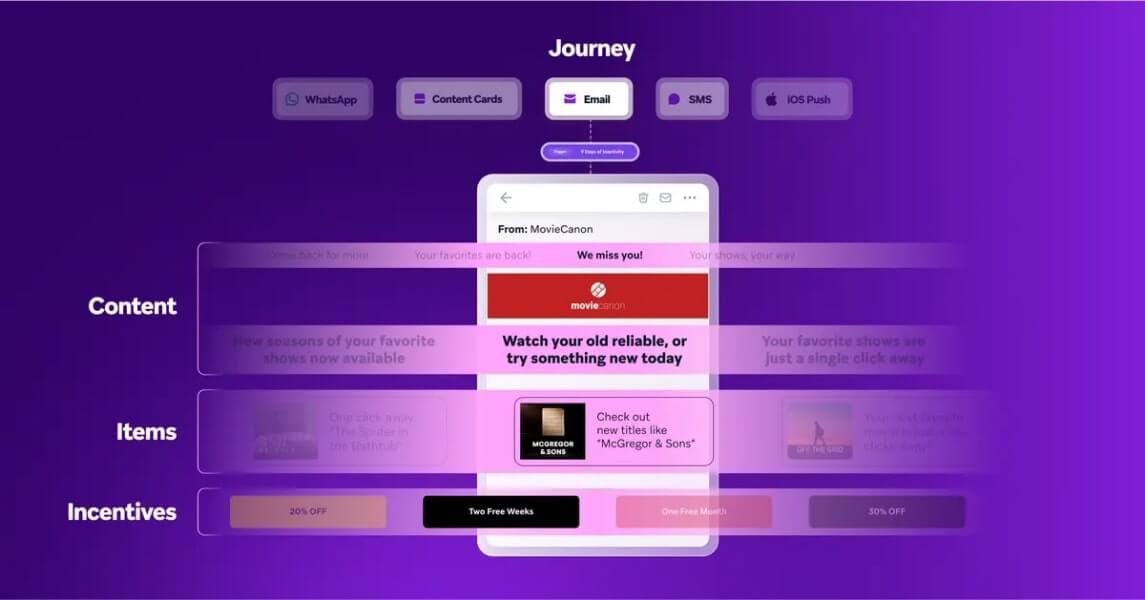
Braze uses Canvas, its journey mapping tool, as the framework. AI picks the best channel (email, SMS, push, or in-app) based on what works for each person. The system tracks responses in real time. It learns, refines, and runs without manual edits.
Every click, open, or bounce gets recorded and analysed. If many shoppers raise questions about delivery times, the system spots it. Brands can then tweak templates or triggers for future orders. The result is clearer, calmer fulfilment messaging.
AI also builds segments behind the scenes. It groups shoppers by behaviour, like frequent buyers or eco-aware customers. Each group gets messages that fit. A loyal buyer might see loyalty perks. A green-minded shopper might get reminders about carbon-friendly shipping.
Reinforcement learning agents continuously test thousands of paths – a combination of timing, format, and content. They find what converts best for each user. That frees teams from manual A/B testing chores and helps messages land with higher impact.
#3 Logistics management & automation platforms
The final piece of the puzzle is orchestration.
Connecting marketing, fulfillment, and customer service used to require complex integrations and manual updates.
But not anymore.
In this section, Brevo, Yext, and Hermes show how AI agents and cloud systems are transforming how brands manage logistics, customer data, and post-purchase communication.
All while reducing friction and operational costs.
From inbox to doorstep: Brevo’s CRM meets fulfillment
Brevo’s platform connects e-commerce tools, marketing, and customer service to make sure the right message lands at the right time.
From the moment an order is placed, Brevo’s automation and Aura, its built-in AI assistant, kick into action.
Shops using Brevo can sync customer and product data from platforms like Shopify, PrestaShop, or Adobe Commerce. This means emails and SMS updates are tied to real inventory, not just old records. When something is shipped, delayed, or delivered, the system knows and reacts, often with help from Aura’s Data Management agent, which enriches and updates contact and company profiles automatically.
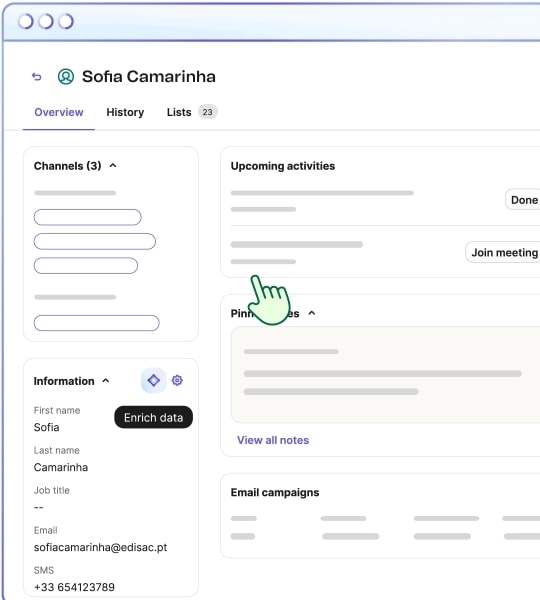
Brevo also connects online shops with brick-and-mortar stores. This helps sellers see the full picture, like which products are selling fast, which discounts work, or where customers drop off. That makes it easier to manage stock and reduce overpacking or last-minute rushes.
On the communication side, Brevo sends personalized emails, texts, and push alerts. It tracks when customers open messages and adjusts the timing. For example, if someone always checks messages on Thursday evenings, Aura’s Marketing agent learns and schedules around that.
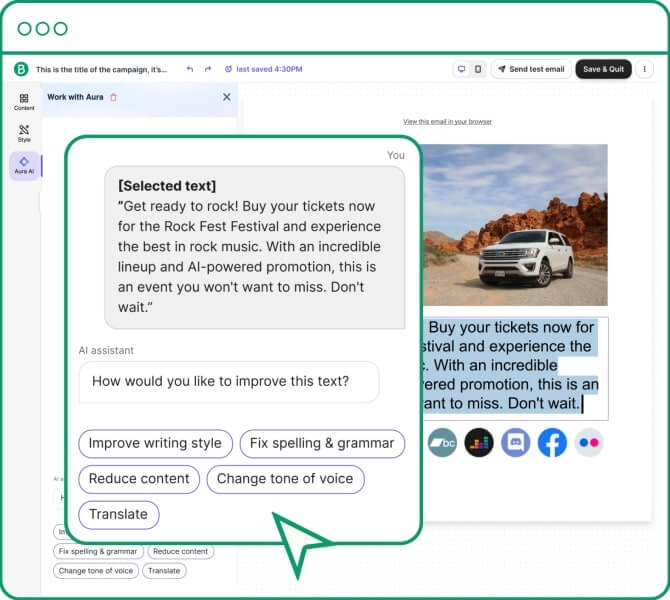
It also adapts content. A regular buyer might get a loyalty code. Someone who often returns items might see more info on sizing or delivery methods. Aura can even write and fine-tune these messages, suggesting subject lines or dynamic content to improve engagement and reduce returns.
The system groups customers by behavior – like VIPs, new buyers, or those who shop during sales. Each group gets messages that match their habits. Messages can also include mobile wallet coupons or WhatsApp alerts, depending on the customer’s preferences.
Brevo’s dashboards track everything. Teams can see how many orders came from an email, how often messages were opened, or when delivery updates helped reduce support calls. Aura’s AI agents also help spot patterns, predict engagement, and recommend changes to campaigns or timing based on real data.
Even small shops can use all this without hiring a tech team. Brevo’s drag-and-drop editor, built-in AI features, and ready-made templates keep things simple. Its pay-as-you-go pricing means brands can start small and grow without switching tools.
All in all, Brevo ties fulfilment and marketing together. With Aura assisting in the background, every message is timed and tuned to real data, so customers stay informed, and shops stay in control.
No more manual tasks: Yext’s workflow automation
Running an e-commerce business means keeping digital information accurate across dozens of platforms, all while responding to reviews, managing stock changes, and answering customer queries.
Yext now brings structure and speed to this process with AI-driven tools that manage updates, reputation, and visibility across more than 80 online channels in real time.
At the core of this system is Yext Scout, a smart brand visibility agent powered by AI.
Scout is a multi-tasking assistant for local and global retailers alike. It handles repetitive but vital logistics, like updating business hours, syncing stock availability, and responding to customer reviews, across platforms such as Google, Yelp, Bing, Facebook, and ChatGPT-powered search engines.
With Scout, updates are consistent, timely, and visible everywhere your customers are searching.
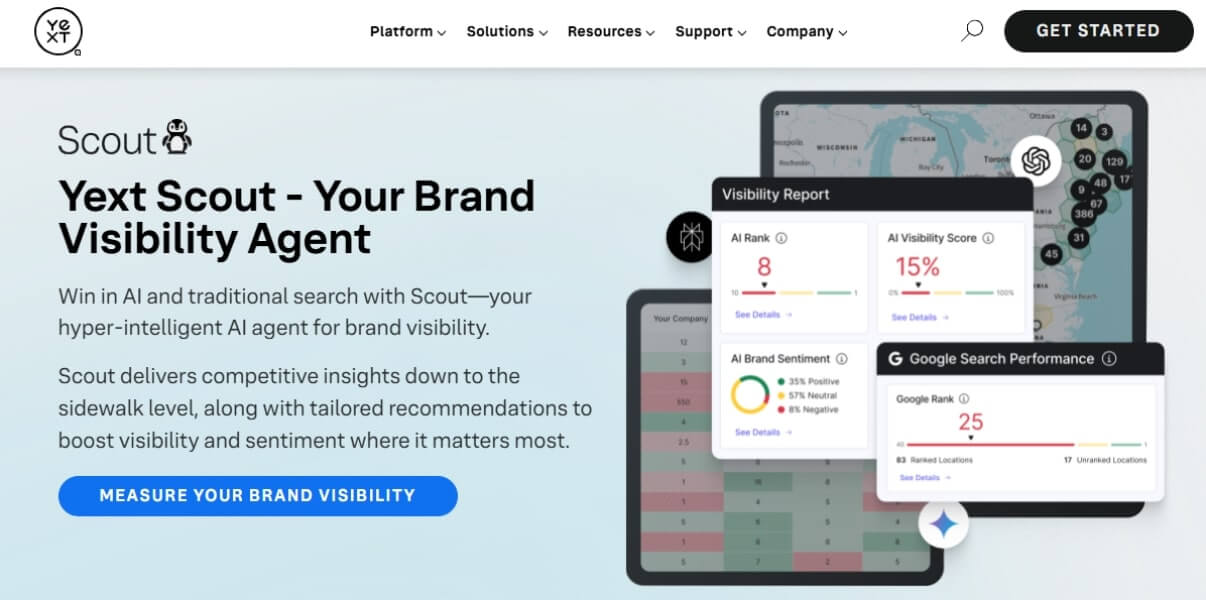
But Scout does more than distribute data. It understands customer intent and tone. If a review comes in, positive or negative, Scout can write a tailored response that reflects your brand voice. It references context, applies appropriate sentiment, and keeps the conversation open. This helps maintain trust and credibility at scale, especially across high-traffic locations.
Under the hood, Yext’s dashboard gives a live view of what’s working and where intervention is needed. You can track local performance metrics (response times, sentiment trends, visibility gaps, and review volume) on a location-by-location basis.
Scout analyzes over 2 billion data points each month, comparing more than 100 local performance signals to pinpoint areas falling behind. No matter if it’s outdated store details, slow review responses, or mismatched stock info, the platform flags problems before they become pain points.
Yext’s structured data model also supports fast, reliable syncing across all customer-facing touchpoints.
For example, if a product goes out of stock or a location changes opening hours, Scout updates this across your listings, website, local search pages, and AI-driven tools like Gemini, Perplexity, and ChatGPT. This eliminates mismatched information and reduces pressure on customer support.
Beyond listings, Yext also supports personalised fulfilment messaging. Once a product is purchased, customers might receive automated follow-ups with relevant content, like review highlights, usage tips, or FAQs tied to their delivery method. These messages reduce uncertainty, help cut return rates, and increase post-purchase satisfaction.For multi-location retailers, Scout offers a map-based dashboard that shows exactly which branches are performing well and which need attention. Brands can benchmark their presence against direct local competitors using 100+ comparative signals, from page speed and reviews to keyword visibility and listing accuracy.
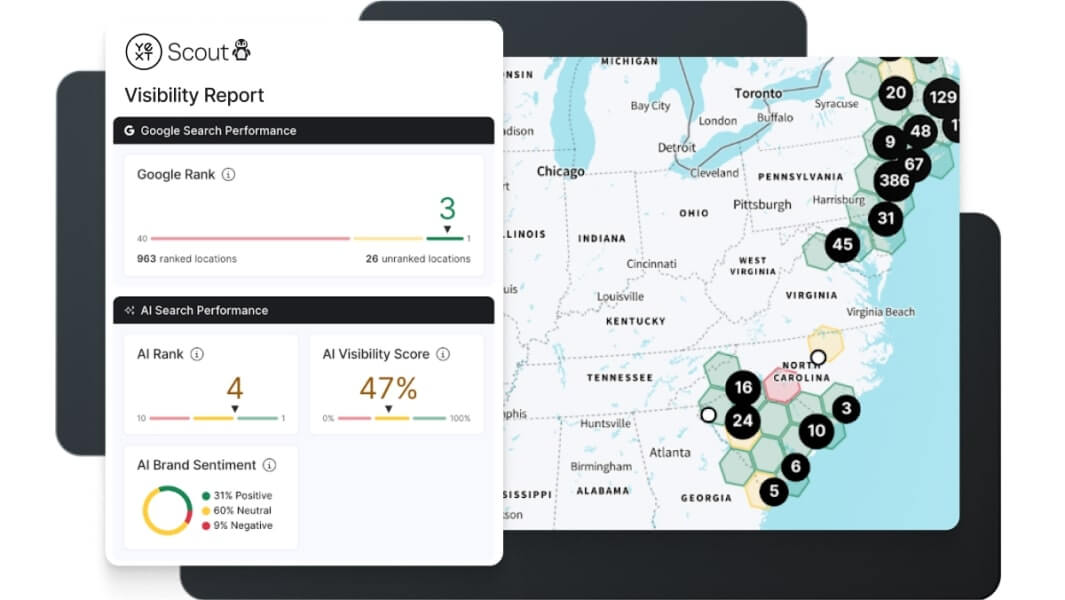
Finally, by integrating with CRM, POS, and support tools, Yext lets every department work from the same, accurate data set. Marketing knows what was sold, support sees what was promised, and fulfilment teams act on real-time updates.
Yext turns scattered digital maintenance into smart automation. With Scout handling the details, e-commerce teams can spend less time fixing errors and more time improving customer experience.
Air cargo, but digitized: Hermes reinvents freight management
Manual systems once ruled air cargo, but Hermes Logistics Technologies is moving the industry into faster, smarter territory. Its Hermes 5 platform now runs fully in the cloud, giving handlers and airlines more control with fewer delays and less downtime.
The setup is modular, meaning every tool, from order tracking to system-wide dashboards, can be added, removed, or scaled as needed. Hermes 5 has already been deployed at hubs like Frankfurt and Leipzig, where set-up times were cut drastically using automated rollout tools. Clients no longer wait months to get started.
The company goes beyond traditional cargo management. Hermes has built a complete ecosystem with business intelligence tools, integrations, and real-time visibility. Everything connects, from ground handlers to customs agents, helping teams spot bottlenecks and fix them before they affect deliveries.
AI also plays a part. Hermes uses predictive analytics to flag risks early, suggest recovery steps, and guide day-to-day planning. It doesn’t rely on generative models, but instead focuses on stable, low-risk AI that works well in high-pressure cargo environments.
For teams on the ground, learning new tools can slow things down. That’s where the Hermes LMS comes in: a digital training system that earned the 2024 Digital Innovation Award.

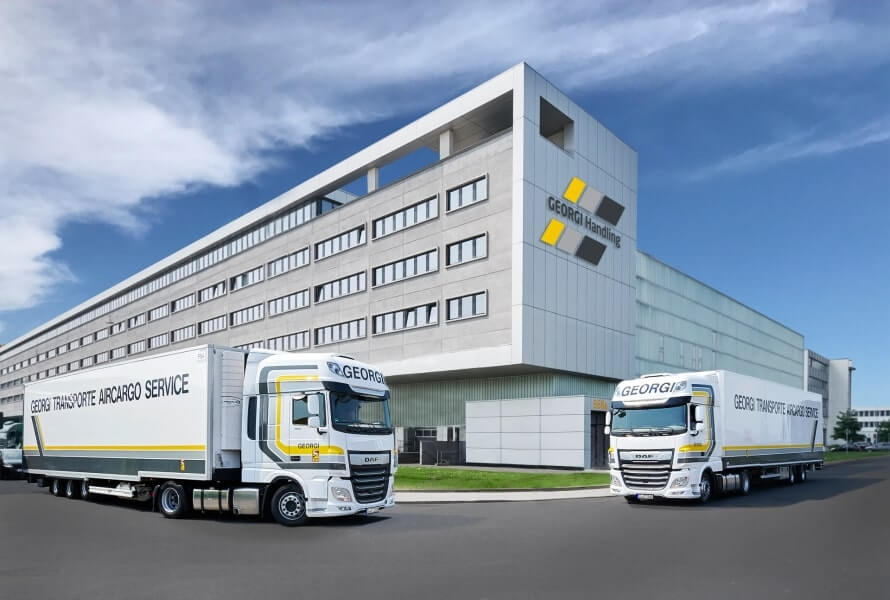
It includes multilingual courses and on-demand learning, speeding up onboarding. For example, when the Georgi Group switched to Hermes in Frankfurt, the German-language LMS helped staff adapt without disrupting operations.
Hermes also supports third-party system connections, so logistics firms can keep on using tools they already trust.
The platform runs across four continents and works for all kinds of cargo operators – from small terminals to major hubs. Its modular setup keeps it flexible, while the cloud structure makes updates faster and less risky.
All in all, Hermes is helping the air cargo industry move with confidence. Digital rollouts, AI guidance, and smart training tools come together to form a system that’s ready to scale and built to last. For freight that can’t wait, Hermes delivers the control to keep things flying.
Over to you
In 2025, fulfillment is no longer something that happens in the background. It’s now one of the most important parts of running a business.
The best companies are using automation, smart AI, and real-time tools to manage orders, stock, and customer needs. Quickly and with less waste.
They’re not guessing. They’re working with live data, smart systems, and better planning.
Speed alone isn’t enough anymore. Customers also want smooth service and greener delivery.
Whether you’re sending products across Europe, updating emails based on stock, or adding new delivery options. fulfillment is where everything comes together.
And now, with the right tools, you can deliver what your customers expect.