German holiday shoppers will let AI do the research. Checkout is another story
Written by
Editorial TeamPublished on
Discover German holiday shopping trends for 2026. See how consumers use AI, what drives purchases, and which marketing channels and offers they prefer. (Ad)
New research shows where German holiday shoppers welcome AI, where they draw the line, and which offers they’re after.
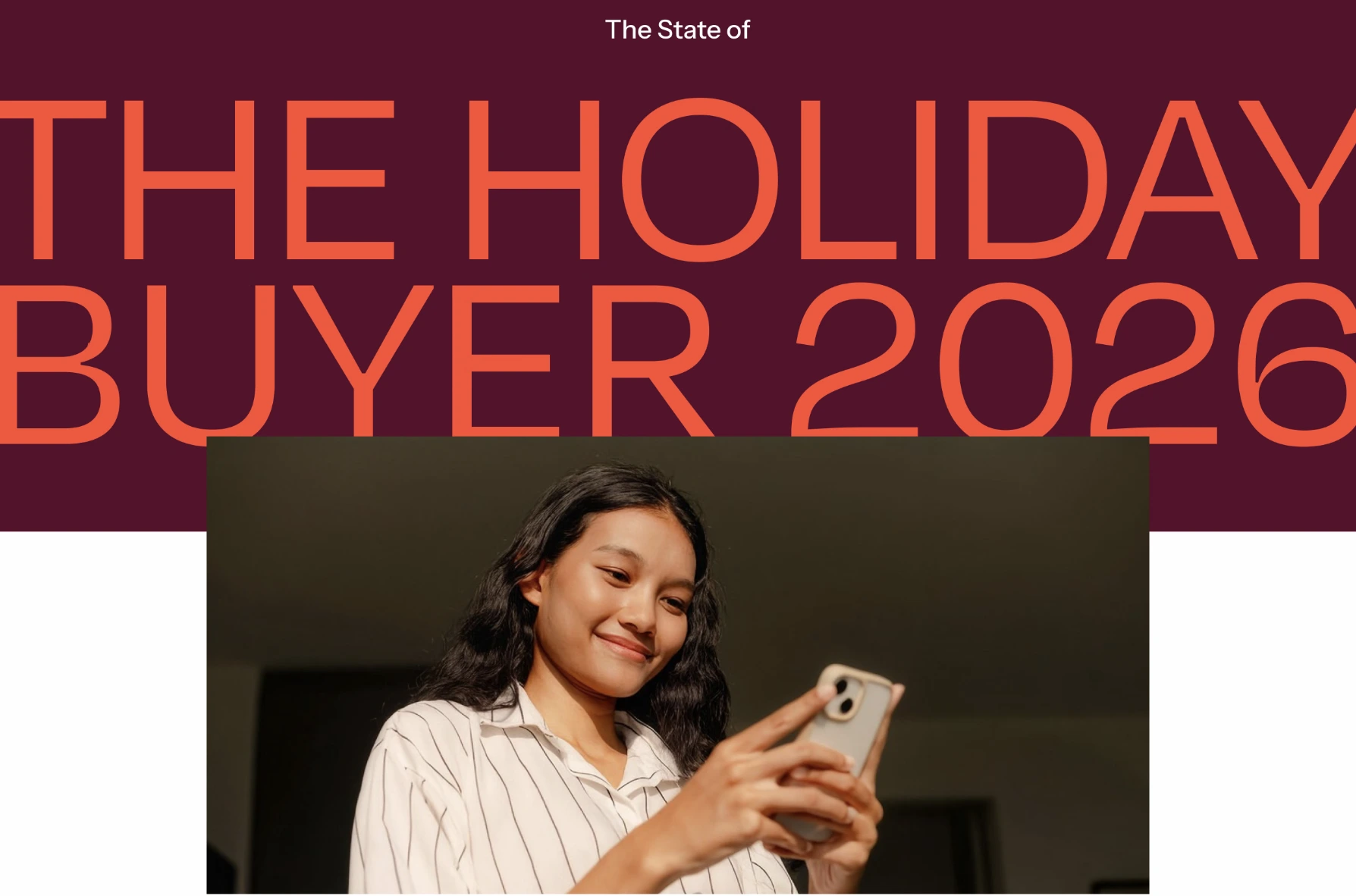
German shoppers mostly know what they want before they start looking, and most aren’t planning to spend less. They’re happy to get help from AI too, up to a point.
That’s according to Klaviyo’s State of the Holiday Buyer 2026 report, which surveyed 500 consumers in Germany.
They know what they want, and AI helps them find it
Most German shoppers have a gift in mind before they start looking. 70% go searching for a specific item, while only 17% say an ad, influencer, or social post is what convinces them to buy. That puts the pressure on brands to be easy to find once the search starts.
AI is part of the picture too. 55% of shoppers have used an assistant when shopping, and comparing prices and finding deals is the top planned use this season (36%).
Shoppers trust AI to research, far less to pay
Shoppers lean on AI more for research than for paying. About 1 in 4 (24%) have already had an assistant complete a purchase for them, but just 6% plan to this season, and 28% use AI to research a purchase and then buy somewhere else.
Sharing information follows the same pattern. 72% would share some personal details with a favourite brand’s AI assistant if it helped them shop better, but only 11% would hand over their full purchase and account history.
Same budgets, sharper spenders
Holiday budgets are holding steady despite economic uncertainty. Almost 9 in 10 shoppers say it’s shaping how they spend, yet 87% plan to spend at least as much as last year.
Shoppers want a mix of perks, and not all of them eat into margin. 46% want a straight discount and 39% want free or faster shipping. 1 in 3 want early access to sales, which costs a brand nothing but planning time. Handy when margins are tight.
Shoppers haven’t made up their minds on AI-written messages
Helpfulness counts for more than who wrote the message. 54% of German shoppers say they don’t care if a message is AI-written as long as it’s helpful and relevant, and 56% think most brand messages are AI-generated anyway. But 49% also agree that it bothers them when a brand’s message turns out to be AI-generated. Usefulness earns some forgiveness, but it doesn’t erase the discomfort for half the audience.
On every statement Klaviyo tested, neutral was the largest response. How useful or generic those messages feel is likely to decide where that group lands.
Email still leads, but WhatsApp is growing
Email is still the No. 1 preferred channel for both marketing and customer service in Germany, but WhatsApp is growing. 16% prefer it for marketing messages and 15% for service, which suggests shoppers treat it as a general relationship channel.
See the full picture
The full report also covers:
- How the channel picture shakes out across email, WhatsApp, mobile app messages, and social
- Which categories and sales moments drive gift buying
- How shoppers find gift ideas, and what that means for you
- Customer stories from brands selling to German shoppers, plus what to do next
[Download the State of the Holiday Buyer 2026: Germany report → HERE
Klaviyo surveyed 500 consumers in Germany aged 18+ in July 2026. All were primary or shared household decision-makers who plan to shop Black Friday/Cyber Monday or the holiday season for non-essential products or services.