How old German “Traditionsmarken” can evolve online without losing soul
How traditional German “Traditionsmarken” can thrive online while preserving their unique essence? Explore the balance of heritage and innovation in our article.

Germany has a special relationship with heritage brands. Walk through any town and you’ll see names that have existed for decades, sometimes for more than a century. Bakeries, clothing makers, tool manufacturers, even household goods brands carry the label “Traditionsmarke.”
That word carries weight. It suggests craftsmanship, reliability, and a long story behind the product.
Yet the digital era asks these brands to move fast. Customers now discover companies on Instagram, read reviews before buying, and compare dozens of options in seconds. A business that once relied on reputation and storefront presence suddenly has to build an online personality.
The challenge is delicate. A heritage brand cannot simply reinvent itself like a startup. It must modernize carefully while protecting its identity.
The good news is that many German companies have already shown how this balance can work. When tradition meets thoughtful digital strategy, the result can feel authentic rather than forced.
Let’s explore how that transformation actually happens.
Why heritage matters so much in Germany
Before talking about digital strategy, it helps to understand why Traditionsmarken carries such influence in German culture.
German consumers often associate older brands with three ideas:
- craftsmanship and quality
- reliability over time
- family or regional history
In other words, longevity itself acts as proof of trust. A brand that has survived for 80 or 120 years signals something important: it must be doing something right.
This cultural mindset is one reason companies like Miele, Faber-Castell, or Dr. Oetker still enjoy strong reputations despite fierce global competition.
Take Miele as an example. Founded in 1899, the appliance manufacturer built its reputation around durability. The company famously tested washing machines for the equivalent of 20 years of use. That story still shapes how people see the brand today.
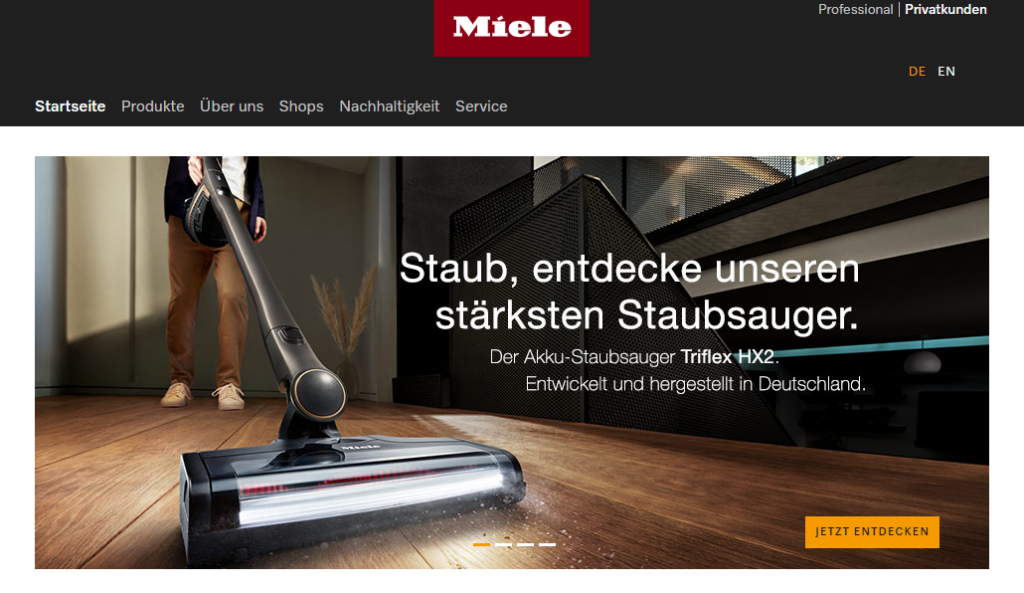
Heritage, then, becomes more than nostalgia. It functions as a credibility signal in markets crowded with newer players.
Digital transformation does not erase this advantage. If anything, it can amplify it.
The digital pressure heritage brands now face
Even the most respected brand cannot rely on reputation alone anymore. Consumer behavior has changed quickly over the past decade.
Today’s customers often begin their journey online. They read reviews, compare prices, watch product videos, and follow brands on social platforms long before they visit a store.
According to several industry studies, 71 percent of buying decisions now involve social media referrals. This means a brand’s online presence becomes the first impression.
For heritage brands, that shift creates tension.
Traditional strengths such as craftsmanship and history do not automatically translate into digital storytelling. A company that built its reputation through word of mouth may suddenly struggle to communicate its story in a fast-moving digital environment.
Three common challenges appear again and again:
- translating long heritage into short online messages
- modernizing visual identity without erasing history
- maintaining authenticity across many digital platforms
Many companies initially react by copying startup aesthetics. Suddenly the website becomes minimalistic, the logo changes, and social media tone turns playful.
Customers often notice the mismatch immediately.
The goal is not to look younger. The goal is to remain recognizable while becoming accessible online.
Tradition as a digital advantage rather than a burden
Ironically, heritage brands often possess something startups spend years trying to build: a compelling story.
A brand that has existed for generations holds natural narrative material. There are founding stories, product innovations, family histories, and cultural milestones.
Digital platforms thrive on storytelling. This means a Traditionsmarke can turn its past into engaging content.
For example, Faber-Castell, the famous pencil manufacturer founded in 1761, uses its long history in subtle ways online. Instead of simply stating its age, the company shares stories about craftsmanship or sustainability.
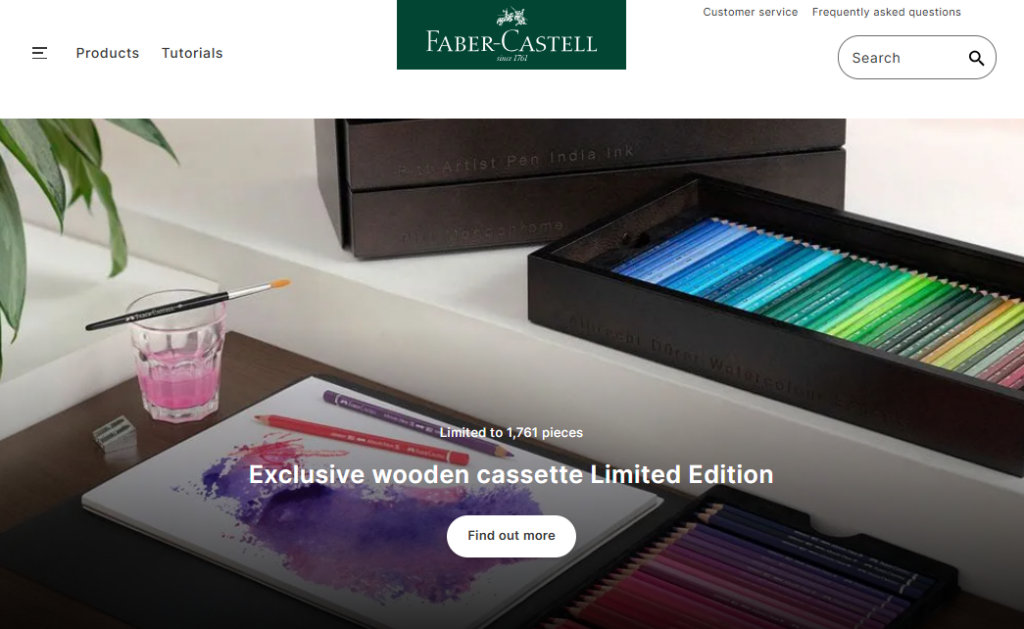
Visitors learn something about the brand’s character without feeling like they are reading a museum plaque.
Another good example is Birkenstock, established in 1774. For decades the brand focused mostly on orthopedic footwear and loyal customers who appreciated comfort. Social media later helped it reach younger audiences while maintaining its message of quality and durability.

The lesson here is simple.
Tradition becomes valuable digital content when it is framed as a story rather than a claim.
The elements of a modern digital identity for heritage brands
When a Traditionsmarke moves online successfully, several elements usually work together. None of them require abandoning heritage. They simply reinterpret it.
Visual identity that respects the past
Many heritage brands face pressure to redesign their logos for digital platforms. Small screens and mobile interfaces demand simple, readable symbols.
But this does not mean erasing historic design.
A thoughtful refresh often keeps core elements while improving clarity. For example, Leica has modernized its branding over time while maintaining the iconic red dot that photographers instantly recognize.

That small circle now works perfectly on websites, apps, and social media avatars.
A clear and consistent voice
Older brands sometimes sound overly formal online. Yet modern audiences prefer communication that feels human and approachable.
The goal is not to become casual or trendy. Instead, brands can translate their values into a tone that feels warm and confident.
Think of it as professional storytelling rather than corporate messaging.
User experience that reflects brand quality
A heritage brand known for craftsmanship should demonstrate that same care in its digital presence.
A slow website or confusing interface sends the wrong signal. Digital experiences should reflect the same precision customers expect from the product.
Companies like Bosch invest heavily in digital platforms that feel clear and structured, mirroring their engineering reputation.

Content that explains the brand’s philosophy
Heritage brands often have deep philosophies about quality, sustainability, or craftsmanship.
Digital platforms give space to explore these ideas through articles, videos, and behind-the-scenes content. Short social posts might introduce the story. Longer blog pieces or videos can expand it.
This layered storytelling creates a richer digital presence.
Check this foreign example: Dr. Oetker. The company has existed since 1891. The brand now uses digital platforms to share recipes, cooking tutorials, and seasonal baking inspiration.

The internet becomes a space where the brand’s heritage in home baking feels alive and interactive.
The role of authenticity in digital storytelling
Authenticity often becomes the deciding factor in whether digital transformation succeeds.
Consumers quickly sense when a brand suddenly adopts trends that do not match its history.
Imagine a century-old watchmaker suddenly using meme culture on social media. The contrast would feel awkward.
Authenticity means respecting the brand’s personality.
A heritage brand can still be modern, but its communication style should feel rooted in its values. The digital voice should sound like a continuation of the company’s story rather than a complete rewrite.
This principle explains why many German brands move carefully online. They test new formats but keep the underlying narrative consistent.
When digital transformation goes wrong
Not every transformation works smoothly. Some heritage brands struggle when they attempt rapid change.
The most common mistake is overcorrection. In an effort to look modern, a company abandons its visual identity, messaging style, and historical references.
Customers then lose the emotional connection that made the brand special.
Another mistake involves treating digital platforms purely as sales channels. Online spaces thrive on conversation, learning, and storytelling.
A brand that only pushes promotions rarely builds lasting engagement.
The lesson is simple. Digital presence should deepen relationships, not replace them with transactions.
Tip: start digital transformation with a heritage audit
Before launching new websites or social campaigns, heritage brands benefit from a simple exercise.
List the elements that define the brand’s identity.
These might include:
- founding story and milestones
- craftsmanship methods
- iconic product designs
- regional heritage
- long-standing values
Once these elements are clear, digital strategy becomes easier. The goal shifts from inventing a new identity to translating existing values into digital experiences.
This step prevents many common branding mistakes.
Digital channels that work well for Traditionsmarken
Some platforms naturally suit the narrative style of heritage brands.
Long-form storytelling
Blogs, brand magazines, and documentary videos give space to explore history and craftsmanship.
A short Instagram post might introduce a story. A longer article can explain it.
Social media as conversation
Platforms like Instagram or LinkedIn work best when brands show their human side. Behind-the-scenes photos, workshop videos, or employee stories feel authentic.
People enjoy seeing the people behind the product.
Digital archives
Many heritage brands hold fascinating historical material. Old advertisements, product sketches, and factory photos can become powerful digital assets.
Sharing these archives creates emotional connection and curiosity.
The role of technology in preserving brand identity
Digital transformation often involves new tools and systems. Yet technology should support online activities, rather than replace it. Modern platforms help brands manage content, visual assets, and customer experiences across multiple channels. This keeps messaging consistent.
At the same time, analytics tools help brands understand how audiences interact with stories, products, and values online.
Technology becomes a support system for heritage communication rather than the main attraction.
Emerging trends shaping heritage branding online
The digital environment continues to evolve. Several trends now influence how Traditionsmarken presents themselves online.
Personalised experiences
Customers increasingly expect tailored recommendations and communication. Artificial intelligence tools help brands analyse preferences and adapt digital experiences.
For heritage brands, personalisation can highlight relevant stories or products without changing core identity.
Sustainability storytelling
Environmental responsibility has become an important factor in brand perception. Many heritage companies already follow sustainable practices but rarely communicate them clearly.
Digital channels help explain these efforts with transparency.
Immersive experiences
Technologies such as augmented reality create new ways to explore products or historical archives. A museum-like digital experience can bring brand heritage to life.
These tools remain optional but increasingly accessible.
Action points for heritage brands moving online
Companies thinking about digital transformation often ask where to begin.
A few practical steps help maintain balance between innovation and identity:
1. Map the brand story. Identify the moments, values, and symbols that define the brand’s heritage.
2. Refresh visual elements carefully. Modernize logos or typography for digital use while preserving recognizable elements.
3. Develop a consistent voice. Translate traditional values into language that feels human and approachable online.
4. Invest in digital experiences. Websites, apps, and social platforms should reflect the same care as the physical product.
5. Encourage storytelling inside the company. Employees often carry the richest stories about craftsmanship and tradition.
These stories become valuable digital content.
Why heritage brands still have an advantage
Despite rapid digital change, heritage brands hold a strong position in today’s marketplace.
Trust has become a scarce resource online. Consumers face endless options and marketing claims.
A Traditionsmarke already possesses something valuable: credibility built over decades.
When that credibility appears in digital storytelling, it can create powerful emotional resonance.
Customers feel they are buying into a story, not simply purchasing a product.
The future of Traditionsmarken in the digital era
Digital transformation does not erase heritage. It invites brands to interpret their history in new ways.
German Traditionsmarken that embrace digital storytelling often discover something interesting. The past becomes an advantage rather than a constraint.
A workshop founded in 1890 suddenly has content material startups could only dream of. Old photographs, original tools, handwritten ledgers, and family stories form a natural narrative archive.
The digital world simply gives these stories a stage.
As long as companies remain authentic, curious, and respectful of their roots, the transition can feel organic.
Tradition and innovation then stop competing with each other. They begin to work together.
And that is exactly how a heritage brand evolves online without losing its soul.