Trust signals in Germany: Go beyond simple user reviews on your website
If you are trying to break into the German market in 2026, you probably already know that German customers are some of the most skeptical people on the planet. They do not just look at a few shiny five-star reviews and reach for their wallets immediately.
To truly improve trust in Germany in your e-commerce, you have to understand that this audience values hard evidence and technical verification over social hype.
Most websites make the mistake of thinking a basic testimonial slider is enough to win over a local buyer. But no. In reality, German users are looking for a deeper level of professional security and legal transparency before they even consider a purchase.
The concept of trust signals in this region goes way beyond seeing what “Customer A” thought of your shipping speed last month. German consumers want to know that your business is legitimate, physically reachable, and fully compliant with every local regulation. They are raised in a culture that prizes Sorgfalt, which basically means extreme diligence and care in every transaction. If your website feels like a generic template with no local roots, you will struggle to convert visitors regardless of how good your product is.
Today, we will show you how to build a bridge to these customers, who require a strategic layer of specific trust signals that speak their cultural language.
The legal foundation of trust signals
The very first thing a German user does when they land on a new site is scroll straight to the footer. They are looking for the Impressum, which is a legally mandated imprint that tells them exactly who you are. This is one of the most critical trust signals – it removes the anonymity of the internet.
If you do not have a clear link to your company registration, physical address, and VAT ID, you have already lost the battle. This transparency proves that you are a real entity that can be held accountable if something goes wrong during the shipping or service process.
Beyond the imprint, your data privacy policy needs to be at the front. Thus, mentioning that your servers are located within the European Union, or ideally within Germany itself, is a massive advantage. You should clearly label your compliance with the latest DSGVO standards to reassure users that their personal information is not being sold or mishandled. These legal markers act as the silent backbone of your entire online reputation in this specific market.
Moving beyond simple user reviews

While testimonials are helpful, they are often viewed with a grain of salt by professional German buyers who worry about fake feedback. To improve trust in Germany, you should prioritize third-party certifications and technical seals like the TÜV or Trusted Shops.
These badges carry significantly more weight than a random comment because they represent an objective audit of your business practices. When a German shopper sees a recognized certification mark, they know that experts have already vetted your security and quality standards for them.
Another way to elevate your trust signals is by showing deep industry expertise through authoritative content rather than just promotional slogans. Instead of telling people your tool is the best, you should provide whitepapers or case studies that include hard data and technical specifications.
German users love to dig into the details to see if your solution actually holds up under scrutiny. Providing this level of depth shows that you respect their intelligence and are willing to provide the proof they require.
Physical presence and local connectivity
Even in a digital world, a physical connection to the region is one of the strongest trust signals you can display. Having a .de domain name is a non-negotiable starting point if you want to be taken seriously by local searchers and shoppers. It signals that you are specifically targeting the German market and are committed to the local infrastructure. If you use a generic .com or an obscure TLD, you might come across as a fly-by-night operation that has no real investment in the country.
Providing a local phone number with German-speaking support is another huge step to improve trust in Germany.
Users feel much more comfortable knowing they can pick up the phone and talk to someone in their own language if a problem arises. If your contact page only lists an international number or a generic contact form, it creates a sense of distance that breeds hesitation. Showing photos of your local office or your German team members adds a human face to the brand. This transparency helps to humanize your business and makes the transaction feel like a partnership between people rather than a cold exchange of data.
Read also: Localization tips for entering any e-commerce space
Security badges as essential trust signals
In 2026, cybersecurity is a top priority for every internet user, but especially for those in the German-speaking DACH region. Your SSL certificate is the absolute minimum requirement, but you should go much further to improve trust in Germany. Displaying payment provider logos like Giropay, Klarna, or local banking icons alongside Visa and Mastercard shows that you understand local payment habits. If a customer sees their preferred local payment method, they feel a sense of familiarity that lowers their guard during the checkout process.
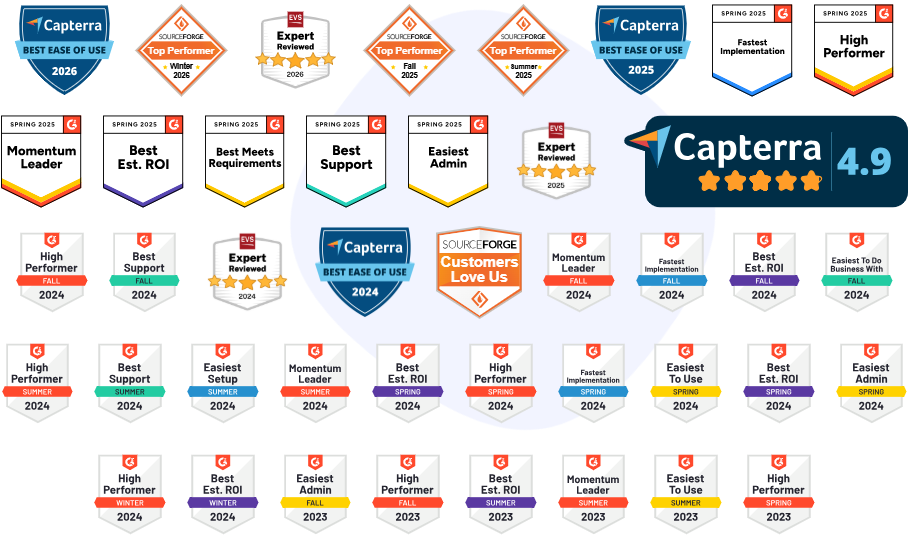
You should also feature security badges from reputable cybersecurity firms that scan your site for vulnerabilities.
These trust signals act as a digital guard dog that reassures the visitor their credit card and address are safe from hackers. In Germany, the fear of identity theft and financial fraud is quite high, so over-communicating your security measures is actually a good thing. You should make sure these badges are visible on every page, but specifically near the “Buy” or “Register” buttons. This placement gives the user a final nudge of confidence right when they are most likely to feel friction.
How architecture influences trust signals
The way your website is built tells a story about how you run your business. A site that loads slowly or has broken links signals a lack of professionalism that will immediately damage your efforts to improve trust in Germany.
German users expect precision and efficiency, so a buggy interface suggests that your product might be equally unreliable. You should ensure that your navigation is intuitive and that your mobile experience is just as polished as your desktop version.
High performance is a silent trust signal that speaks volumes about your company’s operational standards.
Using clean, descriptive URLs is another small but effective way to use trust signals to your advantage. A user should be able to look at the address bar and know exactly where they are on your site without feeling confused. This level of clarity helps to eliminate the “hidden catch” feeling that many skepters have when browsing new websites. If your site structure is messy, it looks like you are trying to hide something or simply do not care about the user experience.
But straightforward architecture builds a sense of reliability that helps to convert high-value leads.
Social responsibility as a modern trust factor
To truly improve trust in Germany in 2026, you need to show that your business cares about more than just the bottom line. Environmental sustainability is a massive topic in German society, and it has a direct impact on consumer choices. Highlighting your green initiatives, such as CO2-neutral shipping or sustainable packaging, serves as a powerful trust signal for the modern shopper. If you can prove that your operations are ethical and eco-friendly, you tap into a value system that is very important to the local population.
Community involvement and charitable donations also play a role in building a positive reputation. When a brand shows its face at local German trade shows or sponsors regional events, it becomes part of the local ecosystem. These real-world trust signals are much harder to fake than online ads. They show that you are an active participant in the industry and are invested in the well-being of your customers. This level of social proof goes deeper than a review because it demonstrates a long-term commitment to the market.
Checklist to improve trust in your e-commerce in Germany
- Implement a complete Impressum with all legal details and registration numbers.
- Use a .de domain to signal local relevance and commitment to the region.
- Display German-specific seals like TÜV, Trusted Shops, or ISO certifications.
- Host data locally and clearly state your compliance with the latest DSGVO rules.
- Provide German-speaking support with a local phone number for direct contact.
- Offer local payment methods such as Klarna, Giropay, or SEPA bank transfers.
- Highlight technical proof through data-driven case studies and whitepapers.
- Showcase your team with real photos and bios to humanize the brand experience.
- Maintain high site speed and a bug-free interface to reflect professional standards.
- Commit to sustainability and show evidence of your environmental efforts.
Bonus: Bet on design consistency too

Visual stability is often overlooked, but it is a major factor when you want to improve trust in Germany. If your branding changes from page to page, it creates a sense of instability that makes users nervous.
Consistent use of fonts, colors, and high-quality imagery acts as one of the subtle trust signals that keeps a user engaged. You should avoid using too many generic stock photos of people who clearly do not live in Germany. Instead, use original photography that reflects the actual environment and people your customers will interact with.
A professional layout that prioritizes readability over flashy animations will always win in this market. German users tend to prefer a “function over form” approach where they can find information quickly. If your site is too cluttered with pop-ups and distracting elements, it feels like a high-pressure sales tactic. By providing a calm and organized environment, you naturally improve trust in Germany. This respectful design approach shows that you value the visitor’s time and are confident enough in your product to let the facts speak for themselves.
Measure the impact of your trust signals and keep growing!
Once you have implemented these changes, you need to track how they are affecting your conversion rates.
- You can use heatmaps to see if users are actually looking at your new security badges or your office photos. If people are clicking on your trust signals, it means they are seeking that reassurance before moving forward.
- Monitoring your bounce rate on the pricing page can also tell you if your transparency is working. Usually, when you improve trust in Germany, you see a significant decrease in cart abandonment because the “fear factor” has been removed.
- A/B testing different placements for your certifications can help you find the sweet spot for your specific audience. Sometimes a trust seal works best right next to the checkout button, while other times it belongs in the header.
The goal is to make these trust signals feel like a natural part of the journey rather than an afterthought.
And by constantly refining your approach based on real user data, you can stay ahead of the curve in 2026. This data-driven mindset is exactly what is needed to maintain a high level of credibility in a competitive European landscape.