2020 E-Commerce Logistics Review of Europe
Introduction


Customer enquiries in DACH online retail are rising fast in 2026. Shoppers want instant, accurate answers about products, delivery and returns, and few support teams can hire their way to keeping up. An AI chatbot for e-commerce learns from the FAQs, manuals and website content you already have, answers customers around the clock, and passes the hard cases to your team with the full conversation attached. This article covers how these assistants work, how to set one up with a single code snippet, what the EU AI Act and GDPR require, and what it costs as your shop grows. (Ad)
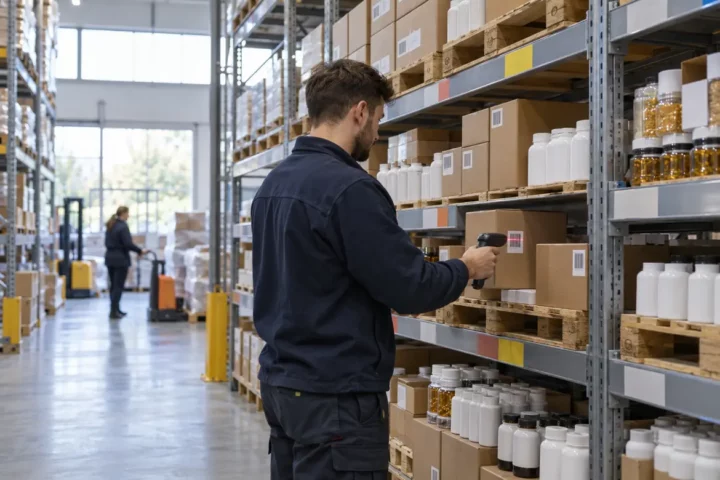
Choosing the right fulfillment partner can make or break your supplement brand’s growth in Europe. But which provider actually meets your needs? We compare 5 supplement fulfillment companies across 12 key criteria, from batch tracking and storage conditions to cash on delivery and Amazon support. Explore their strengths, limitations and differences to find the right partner for your business. (Ad)

Amazon is still the top marketplace in Germany, taking around 63 percent of online retail. But a new IFH KÖLN study shows the market around it is changing: rivals are increasingly sharing in the growth, and groceries could become Amazon’s next big opportunity.