German appliance brands: the best luxury appliance brands explained
Discover leading German kitchen appliance brands, from Miele and Gaggenau to Bosch, Siemens, Neff and Liebherr appliances.
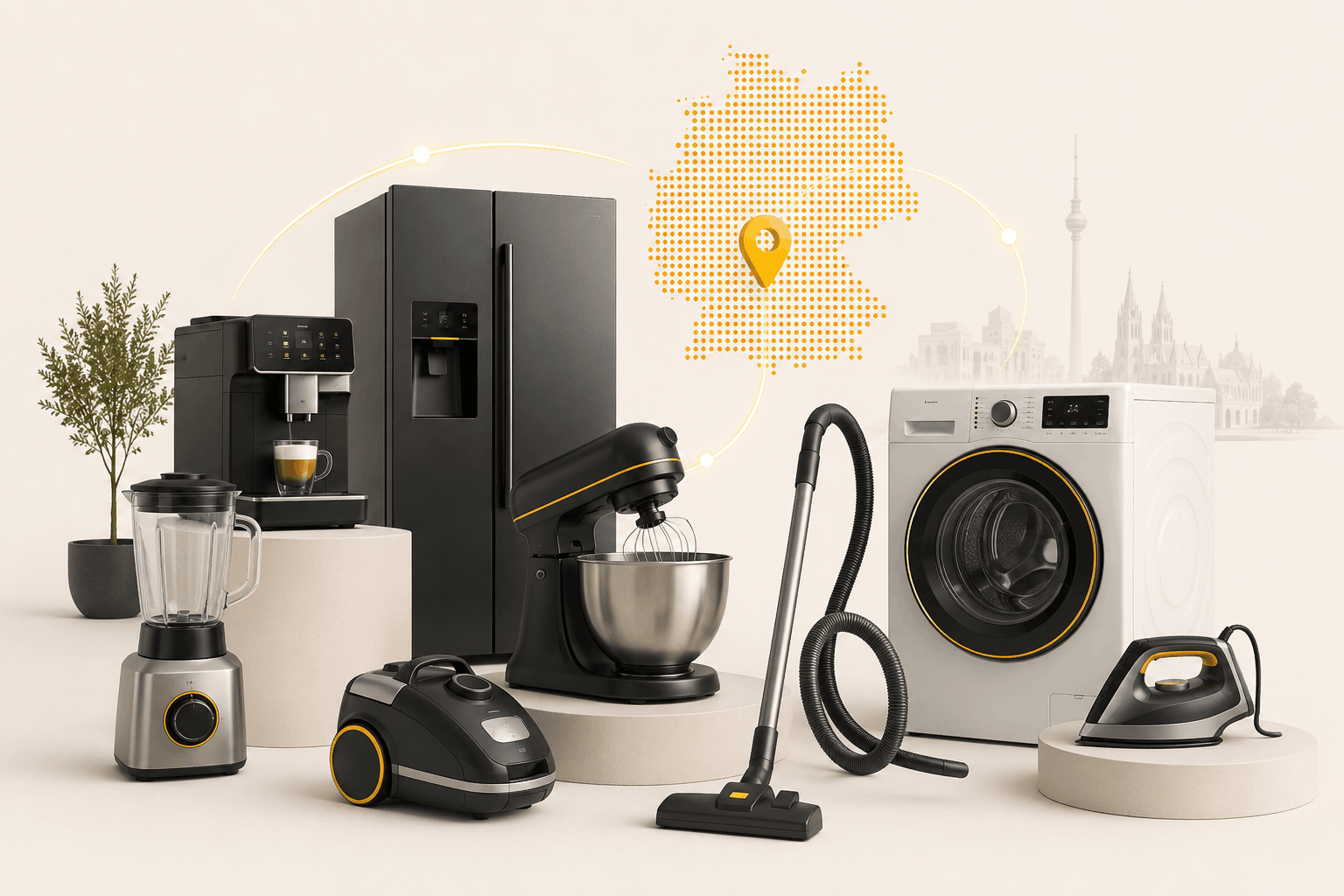
German appliance brands have a reputation for serious engineering, long product cycles and clean built-in kitchen design. But the category is less straightforward than it looks. Bosch, Siemens, Neff and Gaggenau sit under one appliance manufacturer, while Miele and Liebherr follow very different paths.
This guide explains the best luxury appliance brands, where each one fits and what you should look at before planning a German kitchen.
You’ll learn
- Which German appliance brands suit different budgets and kitchen styles
- Who owns Bosch, Siemens, Neff, Gaggenau and Thermador
- How Miele, Liebherr appliances and BSH brands differ in practice
- What to consider before choosing built-in appliances, coffee machines, refrigeration and ventilation
German kitchen appliance brands at a glance
The leading German kitchen appliance brands do not all compete in the same way. Some focus on broad home appliance ranges for everyday households. Others build a high-end kitchen around cooking performance, refrigeration or almost invisible built-in integration.
| Brand | Best known for | Positioning | Ownership |
| Miele | Premium home appliance range | Independent premium | Miele and Zinkann families |
| Gaggenau | Luxury built-in kitchen appliances | High-end and design-led | BSH Home Appliances |
| Bosch | Broad kitchen and home appliance range | Mainstream-premium | BSH Home Appliances |
| Siemens | Connected appliances and modern design | Premium-leaning | BSH Home Appliances |
| Neff | Cooking-led built-in appliances | Enthusiastic cooks | BSH Home Appliances |
| Liebherr | Refrigeration and freezing | Specialist premium | Liebherr family group |
| Graef | Slicers, coffee machines and compact kitchen tools | German specialist | Family-owned |
| WMF | Small kitchen appliances and cookware | Premium kitchen heritage | Groupe SEB-owned |
The important distinction is simple: a German brand is not always a German-owned appliance manufacturer. Some have German roots, German design heritage or German production links, while their corporate ownership sits elsewhere.
Gaggenau: luxury appliance design for a high-end kitchen
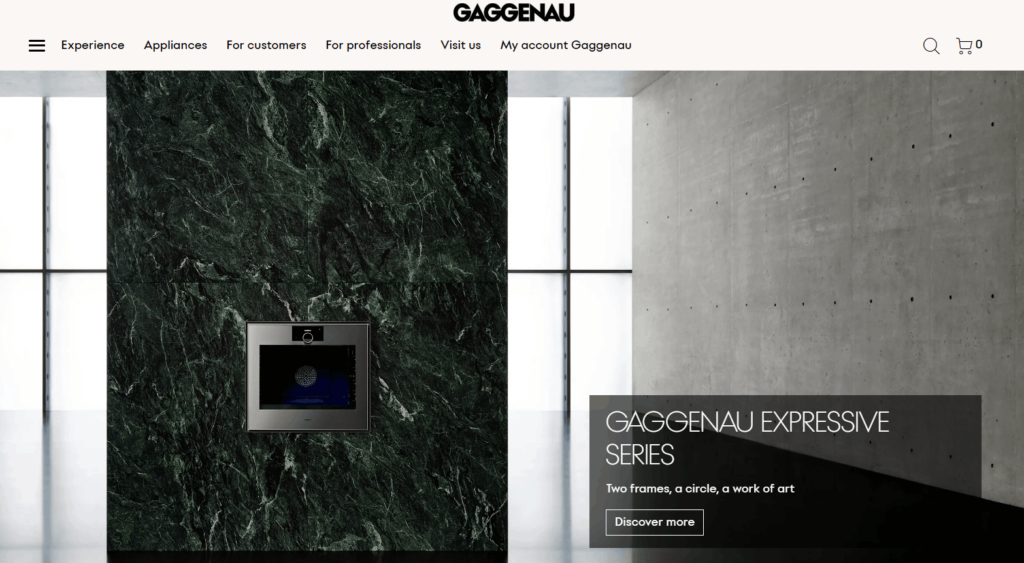
Gaggenau is the most obvious entry point for buyers looking at a high-end German kitchen appliance setup. The brand traces its origins to 1683, although its modern identity is rooted in luxury cooking, built-in design and premium materials rather than mass-market home appliance sales.
Gaggenau belongs to BSH Home Appliances, alongside Bosch, Siemens and Neff. Yet it has a very different role inside that portfolio. Gaggenau is the brand for kitchen projects where appliances need to feel integrated into the architecture rather than simply installed between cabinetry.
Its range includes built-in ovens, steam ovens, cooktops, refrigeration, dishwashers, ventilation, coffee machines and wine climate cabinets. The focus is on a restrained kitchen style: dark glass, stainless steel, precise controls and hardware that looks deliberate rather than decorative.
A Gaggenau oven is often part of a wider built-in suite. Buyers tend to pair it with integrated refrigerator columns, hidden ventilation, flush cooktops and cabinetry designed around the appliance dimensions. This is not the value-for-money choice for every renovation. It is for people who want the appliance to shape the kitchen design.
Gaggenau can suit serious home chefs, architects and buyers working with a premium showroom or kitchen studio. It is less appropriate when the priority is a wide product range at several price points.
Miele: an independent premium home appliance brand
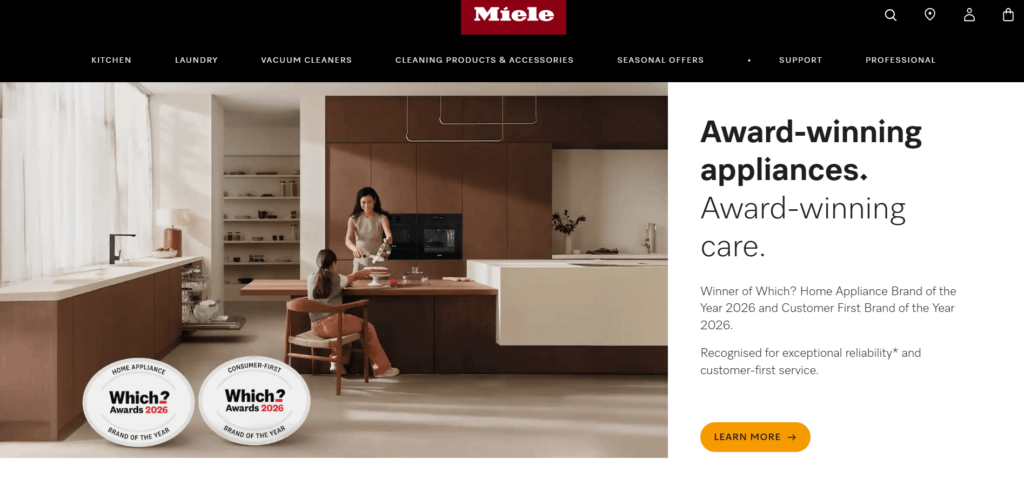
Miele – German premium appliance heritage is often described through one simple idea: the company remains independent. Unlike many appliance brands that sit in larger multinational groups, Miele is still family-owned and controlled by the Miele and Zinkann families.
That independence helps explain its position in the market. Miele does not only compete in one category. It offers appliances across cooking, laundry, dishwashing, refrigeration, coffee makers and floorcare. The result is a broad home appliance ecosystem with a consistent premium identity.
For kitchen projects, Miele is especially strong in built-in ovens, dishwashers, cooktops, ventilation, steam ovens and fully integrated refrigeration. It also has a major presence in coffee machines, including built-in espresso systems for homeowners who want the kitchen to handle the full morning routine.
Miele tends to appeal to buyers who want a complete appliance suite without moving into the architectural luxury level of Gaggenau. Its products can work in a modern design kitchen, but they are also practical for households that care about service, durability and long-term ownership.
The key point is not that Miele will offer the best appliance for every budget. It is that Miele is a strong choice when the buyer wants one appliance brand across several product categories and values a premium, family-owned manufacturer.
Bosch: broad kitchen appliances with mainstream-premium appeal
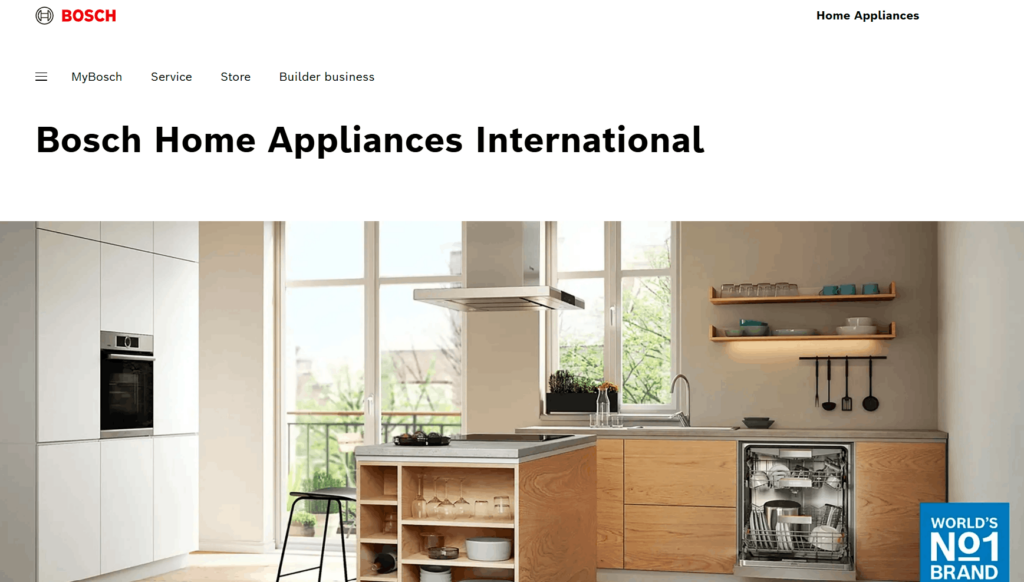
Bosch is one of the most widely recognized German brands in home appliances. It sits inside BSH Home Appliances and covers a broad product range: ovens, cooktops, dishwashers, refrigerators, coffee machines, laundry appliances and smaller kitchen tools in selected markets.
Its position is more accessible than Gaggenau and usually less design-led than Siemens. Bosch works well for homeowners who want reliable kitchen appliances, strong distribution and a wide selection of built-in and freestanding appliances without committing to an ultra-luxury showroom project.
Bosch is especially relevant for practical kitchen layout decisions. A homeowner can build a coherent suite around an oven, dishwasher, induction cooktop, hood and refrigerator without having to source each category from a different manufacturer. That helps when the project involves standard cabinetry dimensions, tight renovation timelines or a budget that needs to stretch across several appliances.
The brand also has a strong presence in dishwashers. For many buyers, the choice is less about visual identity and more about cleaning performance, drying, rack flexibility and service access. Bosch can be a sensible option when those practical details matter more than having a statement appliance.
Bosch is not only for entry-level projects. Higher-range built-in appliances can still fit a polished modern kitchen. It is simply the broadest and most flexible brand in the BSH portfolio.
Siemens: modern design, connected kitchen appliances and premium features
Siemens is also part of BSH, but it usually speaks to a slightly different buyer. The brand leans more heavily into modern design, smart technology and clean visual integration.
Siemens kitchen appliances often work well in contemporary spaces where the owner wants dark glass, flush installation, connected controls and a more architectural feel without stepping all the way up to Gaggenau pricing. Its range includes ovens, dishwashers, refrigerators, coffee machines, cooktops and ventilation.
The difference between Bosch and Siemens is not always technical. Both brands share corporate ownership, engineering resources and parts of the broader BSH ecosystem. The distinction is more about product styling, user interface and market positioning.
Siemens can make sense for homeowners who want a smart kitchen but do not want technology to dominate the room. Connected functions, guided cooking, remote monitoring and more advanced control interfaces can be useful, but they should not be the only reason to choose an appliance.
The brand is a good fit for modern kitchens where cabinetry, lighting and appliance fronts are designed as one visual system. It can also work for buyers who want a premium-looking oven, dishwasher or fully integrated refrigerator without selecting a luxury-only brand.
Neff: cooking-first appliances for enthusiastic cooks

Neff is the BSH brand with the clearest cooking-led identity. Founded in Germany in 1877, Neff is one of the oldest kitchen appliance names in Europe and has been part of BSH since 1982.
The brand focuses on people who enjoy cooking and want appliances that support the entire cooking process rather than just blend into the background. Its range includes ovens, cooktops, extractor hoods, refrigerators, freezers, dishwashers and fully automatic coffee machines.
Neff is best known for ideas that appeal to enthusiastic cooks, including oven configurations, flexible cooktops and ventilation solutions designed around active kitchen use. It is a useful middle ground between Bosch and Gaggenau: more personality than a standard mainstream appliance range, but less formal and exclusive than a luxury showroom brand.
A Neff oven can be a strong choice for a kitchen where cooking is central to daily life. Steam assist, convection, flexible shelf placement and practical oven door design may matter more to the buyer than badge value alone. The same applies to cooktops and range hoods, where usability often matters more than a glossy specification sheet.
Neff is not the right brand for every kitchen style. But it deserves attention from buyers who cook frequently and want built-in appliances designed around real habits instead of only visual impact.
Liebherr appliances: refrigeration and freezing specialists
Liebherr appliances are best understood as a refrigeration specialist rather than a full kitchen suite brand. The company offers refrigerators, freezers, wine storage, fridge-freezer combinations and related cooling appliances in built-in and freestanding formats.
This focus matters. A refrigerator is often treated as a basic item on a kitchen checklist, but it can shape storage habits, energy use, food waste and cabinetry choices more than buyers expect. Liebherr puts refrigeration and freezing at the center of its offer rather than treating them as one category among many.
The brand offers appliances for buyers who want a freestanding refrigerator, a fully integrated refrigerator or a more advanced built-in refrigeration setup. Its models cover wine storage, tall cooling columns, freezer columns and combinations designed for different household sizes.
Liebherr can work particularly well in kitchens where refrigeration is a key design and lifestyle decision. A large family kitchen may need flexible food storage. A serious home chef may want separate cooling and freezing zones. A wine-focused buyer may need a dedicated cabinet rather than a standard refrigerator.
It is not the brand to choose for a full suite of ovens, dishwashers and cooktops. It is the brand to consider when refrigeration needs specialist attention.
Kitchen appliances beyond the major appliance brands
German kitchen brands are not limited to ovens, dishwashers and refrigeration. Smaller appliance specialists also matter, especially in homes where coffee, baking and food preparation are part of daily routines.
Graef: slicers, coffee machines and specialist kitchen tools
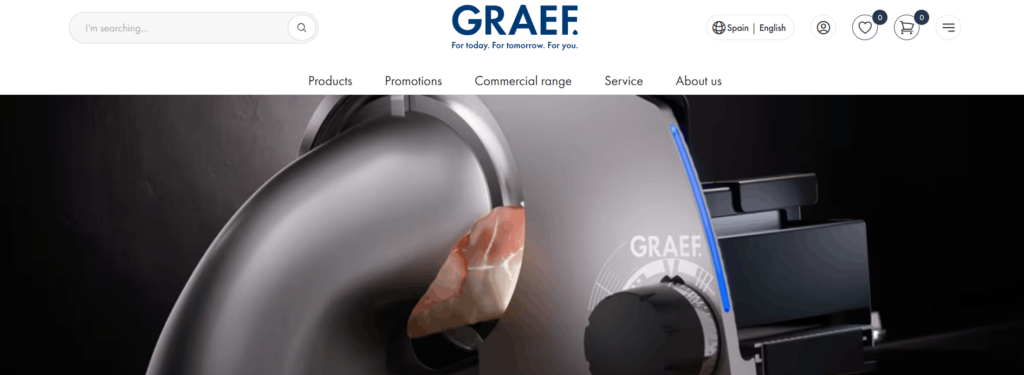
Graef is a family-owned German brand founded in 1920. It is known for precision slicers, but its range also includes coffee machines, grinders, food processors and compact kitchen tools.
It is a good example of a brand that serves a different role from Miele or Bosch. Graef does not try to build the whole kitchen. Instead, it focuses on durable specialist appliances that fit into a kitchen where food preparation matters.
For buyers who care about espresso, slicing bread and charcuterie, or compact professional-style prep tools, Graef may be more relevant than a large home appliance manufacturer.
WMF: German kitchen heritage with a wider small-appliance range
WMF has deep German kitchen heritage and a long association with cookware, tableware and premium small kitchen products. Today, its direct consumer business sits under Groupe SEB ownership, so it is more accurate to call it a German-rooted brand than a family-owned German appliance manufacturer.
WMF offers appliances such as blenders, food processors, kettles, coffee machines, toasters, vacuum sealers and compact countertop products. Its KITCHENminis line is particularly useful for smaller kitchens where space matters.
WMF can work well when the buyer wants small appliances that match a modern kitchen style without filling the countertop with oversized equipment.
How to choose German kitchen appliances for your kitchen design
The right appliance brands depend on how the kitchen will be used, not only on the badge.
Start with kitchen layout and cabinetry
A built-in oven, dishwasher, refrigerator or coffee machine needs to fit the kitchen layout before it can perform well. Measure cabinetry, ventilation clearances, power requirements and door swing space before narrowing the brand list.
A fully integrated refrigerator may look clean behind cabinetry, but it needs different planning from a freestanding model. The same applies to ventilation. A hood can become a visual feature, disappear inside cabinetry or sit behind a downdraft cooktop system.
Choose your cooking priorities first
Serious home chefs may prioritize oven performance, cooktops, steam ovens and ventilation. A busy family may care more about dishwasher capacity, easy cleaning and refrigeration storage. A coffee-focused household may value built-in espresso systems or countertop coffee machines.
Do not assume that one appliance manufacturer will offer the best option in every category. A Miele dishwasher, Neff oven and Liebherr refrigerator can work together perfectly well if the dimensions, finishes and installation plans match.
Decide how much smart technology you will actually use
Smart technology can add useful features, from guided cooking to maintenance alerts. But it should serve the household rather than complicate it.
Look at whether the app improves the appliance experience, whether the controls are intuitive and whether the brand offers support in your market. A smart oven that feels confusing during normal use is not a better oven.
Visit a showroom before choosing high-end appliances
A showroom can reveal things that a product page cannot. You can test an oven door, inspect handle finishes, compare screen interfaces, hear dishwasher noise and see how an integrated refrigerator feels in a real kitchen.
This is especially useful for Gaggenau, Miele, Siemens and premium Liebherr appliances, where the decision involves design, materials and installation details as much as basic features.
Key takeaways
- German kitchen appliance brands cover several distinct market positions, from accessible Bosch suites to Gaggenau luxury kitchens.
- Bosch, Siemens, Neff, Gaggenau and Thermador share BSH ownership, but their intended buyers and product identities differ.
- Miele is an independent family-owned premium appliance manufacturer with a broad home appliance range.
- Liebherr appliances deserve separate consideration when refrigeration and freezing are central to the kitchen plan.
- A German kitchen works best when appliance choices follow the kitchen layout, cooking habits, cabinetry and service needs rather than brand loyalty alone.
FAQ
Which German appliance brands are considered premium?
Miele and Gaggenau are usually positioned at the premium end of the market. Siemens also has a premium-leaning design and connected-appliance offer, while Bosch covers a broader mainstream-premium range.
Who owns Bosch, Siemens, Neff and Gaggenau?
These brands belong to BSH Home Appliances. BSH is a Bosch Group company and also includes regional brands such as Thermador.
Is Miele still family-owned?
Yes. Miele remains independent and is owned by the Miele and Zinkann families. That makes it distinct from brands that belong to larger appliance groups.
Is Liebherr a full kitchen appliance brand?
Liebherr focuses primarily on refrigeration and freezing. It is a strong option for refrigerators, freezers, wine storage and integrated cooling, but it does not offer the same full cooking and dishwashing suite as Miele, Bosch or Siemens.
Is Thermador a German appliance brand?
No. Thermador is a US-focused luxury kitchen brand in the BSH portfolio. It shares corporate ownership with German brands such as Bosch, Siemens, Gaggenau and Neff, but it is not a German appliance brand.
What should I choose first for a new kitchen: the oven, refrigerator or dishwasher?
Start with the kitchen layout and your daily habits. Built-in refrigerator dimensions, ventilation requirements and oven placement can affect cabinetry early in the project. Once those constraints are clear, it is easier to choose the rest of the appliance suite.