German retail payment trends 2026: What Unzer’s retailer survey reveals
Written by
Editorial TeamPublished on
German retailers expect rising revenue in the year ahead – and shrinking profits. The Unzer survey breaks down the payment trends behind the squeeze.
German retail payment trends are shifting as merchants weigh cautious revenue optimism against real pressure on profitability. A new survey conducted by Unzer among 109 retailers in Germany found that 55 percent expect revenues to rise over the next twelve months – yet 62 percent expect their gross profits to decline over the same period. The gap between top-line hope and bottom-line worry is shaping where retailers invest.
Key Takeaways
- 55 percent of surveyed retailers expect revenues to rise over the next twelve months, while 62 percent expect gross profits to decline.
- 91 percent see rising prices as a major or fairly major challenge, and 72 percent feel margin pressure.
- 81 percent have connected their sales channels, are doing so, or plan to; 29 percent still manage channels separately.
- Buy Now, Pay Later is offered by 53 percent, with a further 15 percent planning to add it by the end of 2026.
- Wero is used by 25 percent, with 24 percent planning to adopt it by the end of 2026 – the strongest planned increase among all payment methods covered.
- 54 percent consider AI-agent commerce relevant to their business over the next one to three years.
Rising Prices and Cautious Consumers Squeeze Margins
Economic pressure remains a defining feature of German retail payment trends this year. In the Unzer survey, 91 percent of respondents named rising prices as a major or fairly major challenge. Alongside that, 84 percent pointed to consumers’ general reluctance to spend, and 83 percent cited high price sensitivity among shoppers. Margin pressure itself was flagged as a major or fairly major burden by 72 percent of retailers.
Quote / Pascal Beij, Chief Commercial Officer at UnzerThe results reflect a situation that many small and medium-sized retailers know all too well: revenue alone is not enough when costs are rising and margins are under pressure. That is why retailers are investing specifically in areas that help them reach customers more effectively while also managing their businesses more efficiently.
Connected Channels and New Services Take Priority
Rather than pulling back from digitalization, many retailers are expanding their sales channels and service offerings. Shoppers increasingly expect to find products online, pick them up in-store, pay flexibly, and return items with ease. According to the survey, 81 percent of retailers have already connected their channels, are in the process of doing so, or are planning to. Even so, 29 percent still manage their sales channels separately.
For smaller businesses, connecting channels is a balancing act carried out under tight budgets and limited staff and time. Among the obstacles, 69 percent of respondents cited the need for additional skilled employees as a major or fairly major challenge. Developing new channels and collaborating with external service providers were each seen as obstacles by 65 percent of retailers, while investments in software and process automation posed further hurdles.
Flexible Payment Methods Shape German Retail Payment Trends
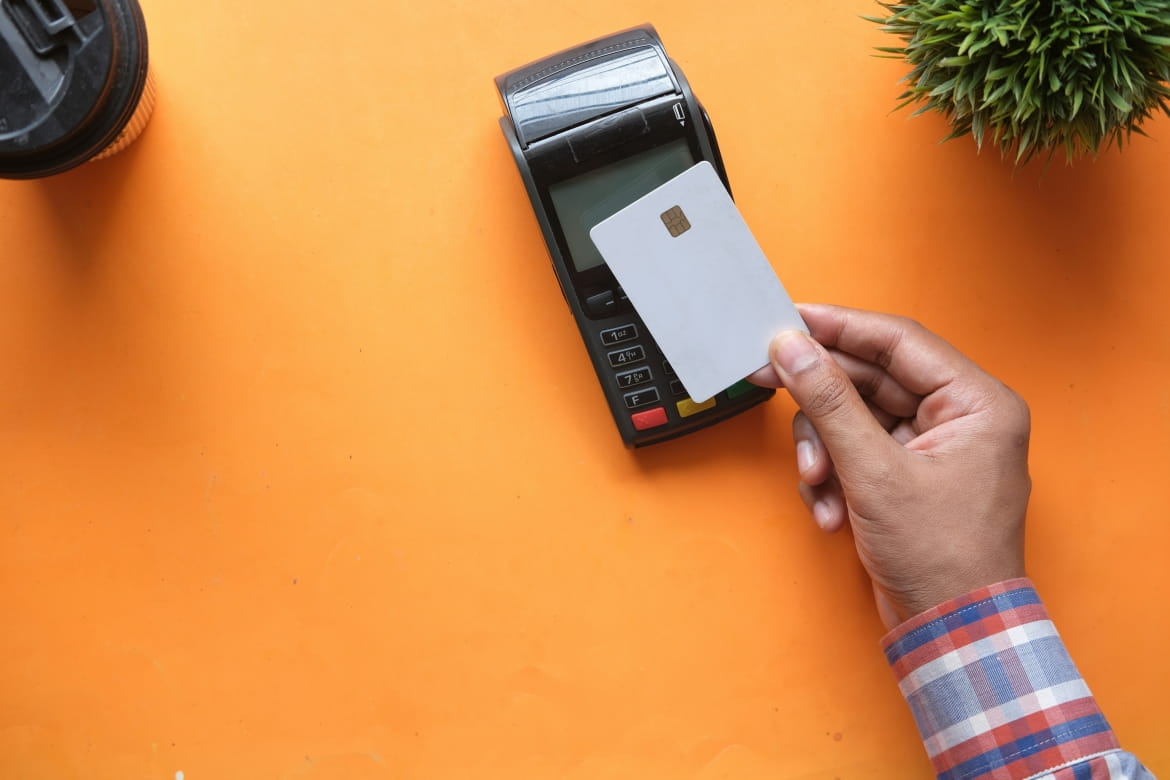
Established payment methods still anchor the checkout. In the survey, 80 percent of retailers offer credit card payments, 69 percent offer PayPal, and 68 percent offer both direct debit and advance payment. But the direction of German retail payment trends is toward more flexibility at the point of sale.
Buy Now, Pay Later options – such as invoice or installment payments – are already offered by 53 percent of respondents, with a further 15 percent planning to introduce them by the end of 2026. For 56 percent of retailers, these options are primarily a way to increase customers’ willingness to spend.
Wero Gains Ground Among Retailers
The European payment solution Wero is gaining traction, though it is not yet widely established. In the survey, 25 percent of retailers already use Wero, and a further 24 percent plan to introduce it by the end of 2026 – the strongest planned increase among all payment methods covered. At the same time, just under one third currently have no plans to introduce it, and almost one in five retailers are not yet familiar with it.
AI Agents as a Potential Next Sales Channel
Agentic commerce is an emerging theme in German retail payment trends. The idea: AI assistants that research products, compare prices, and make purchases on a customer’s behalf. In the survey, 54 percent of respondents considered this development very or fairly relevant to their business over the next one to three years.
Retailers also raised unresolved questions. The concerns cited most often were liability in the event of incorrect purchases or malfunctions, technical integration into existing checkout systems, and the potential loss of the direct customer relationship. As a result, more than half of those asked saw a need for dedicated payment solutions for AI agents – for example, to provide secure authorization, clear liability rules, and transaction limits.
Quote / Pascal Beij, Chief Commercial Officer at UnzerThe future of retail will not improve simply because more and more new technologies are introduced. It will improve when payments, data, and processes work together securely and seamlessly. This applies just as much to new payment methods such as Wero as it does to AI-powered shopping experiences. What matters is that they deliver a genuine benefit in everyday business: more choice for customers and better, more reliable decisions for retailers.
What This Means for Retailers
The through-line across these German retail payment trends is a search for profitable growth. Revenue alone does not resolve the squeeze from rising costs and thinner margins, so retailers are directing investment toward connected channels, flexible payment methods, and the services customers now expect. Unzer positions its role as bringing payments, sales channels, and business data together in a single ecosystem, giving small and medium-sized businesses access to commerce technology without building a separate standalone solution for every new channel or service.
FAQ
Q: What do German retail payment trends look like in 2026?
A: German retail payment trends in 2026 combine cautious revenue optimism with pressure on profitability. In the Unzer survey, 55 percent of retailers expected revenues to rise over the next twelve months, while 62 percent expected gross profits to decline. Retailers are responding by expanding connected sales channels, flexible payment methods, and customer services.
Q: Which payment methods do German retailers offer most?
A: Among surveyed retailers, 80 percent offer credit card payments, 69 percent offer PayPal, and 68 percent offer both direct debit and advance payment. These established methods remain the foundation of the checkout.
Q: How widely used is Buy Now, Pay Later in German retail?
A: Buy Now, Pay Later options such as invoice or installment payments are already offered by 53 percent of surveyed retailers, with a further 15 percent planning to introduce them by the end of 2026. For 56 percent, these options are primarily a way to increase customers’ willingness to spend.
Q: Are German retailers adopting Wero?
Wero is gaining traction but is not yet widely established. In the survey, 25 percent of retailers already use it and 24 percent plan to introduce it by the end of 2026 – the strongest planned increase among the payment methods covered. Just under one third have no plans to introduce it, and almost one in five are not yet familiar with it.
Q: How relevant is AI-agent commerce to retailers?
A: In the survey, 54 percent of respondents considered agentic commerce – AI assistants researching, comparing, and buying on a customer’s behalf – very or fairly relevant over the next one to three years. More than half of those asked saw a need for dedicated payment solutions for AI agents, citing concerns around liability, technical integration, and the direct customer relationship.
About the Survey
For the Unzer Retail Report 2026, IFH Köln surveyed 109 retailers in Germany in July 2026 about their economic situation, payment methods, and Buy Now, Pay Later. Around half of the participants work for companies with annual revenues of at least €50 million. The results are not representative of the German retail sector as a whole.