Top insights on how festivals and events fuel e-commerce in DACH
Learn how festivals and events are transforming e-commerce in the DACH area. Access top insights to optimize your business strategies and capitalize on trends.
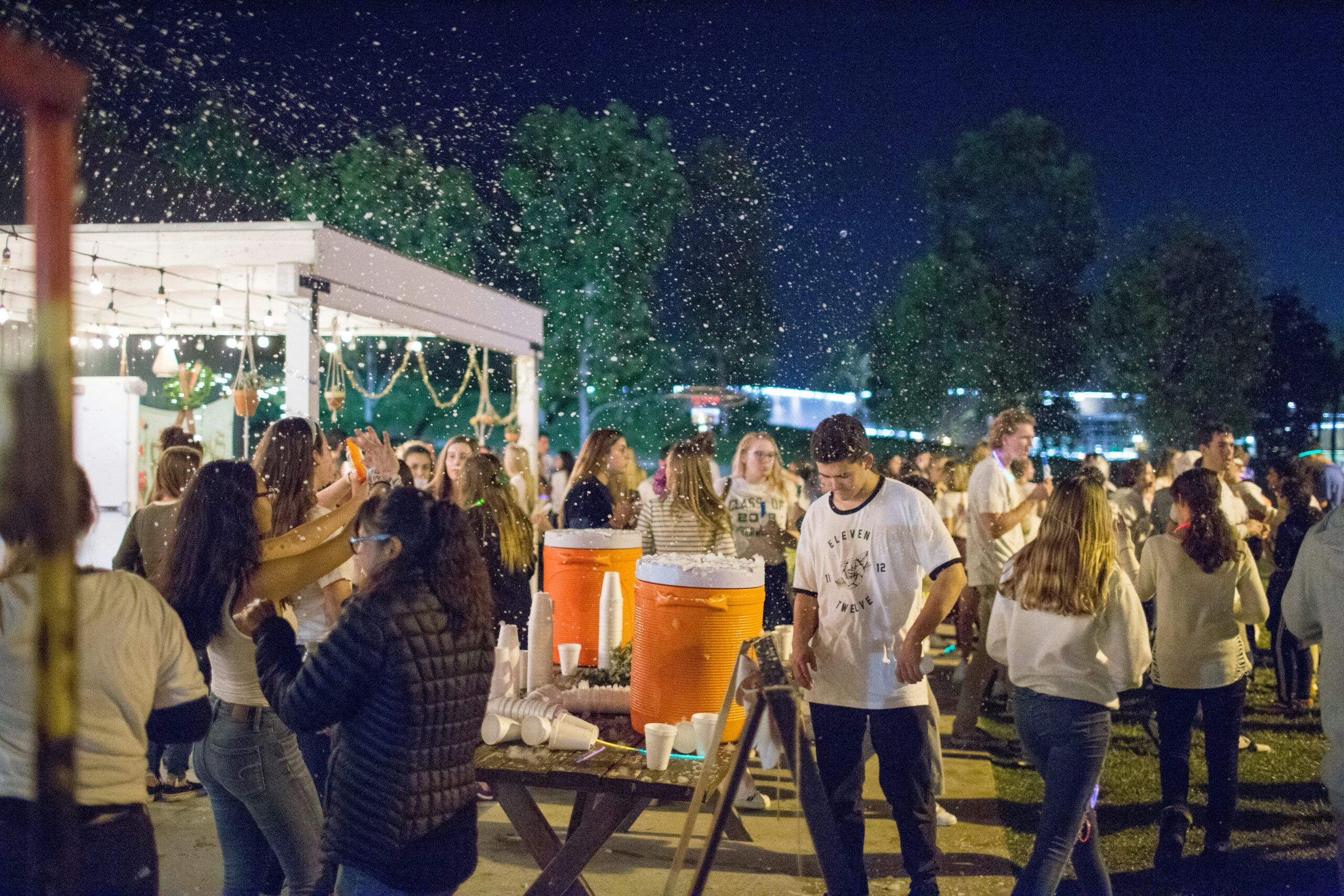
Summer in Germany, Austria, and Switzerland means packed event calendars, busy cities, and long weekends filled with music and celebration. And when festivals begin, something funny happens online. Sure, people buy tickets. But they also buy everything else.
From neon outfits for Melt! Festival to portable chargers for Zurich Openair, e-commerce stores across the DACH market see massive traffic spikes before and during big events. Each festival becomes a small economy of its own — one that starts on Instagram, peaks on marketplaces, and ends at delivery doors.
And today, we will show you the influence of festivals on e-commerce.
Why do festivals in DACH have an influence on e-commerce?
Because people in DACH love to plan, prepare, and show up properly equipped. Every event comes with a shopping checklist.
Europe’s festival sector generated around $647 million in 2024 – that’s not ticket revenue alone, it’s the ripple effect: fashion, gadgets, travel gear, beauty products, even the snacks people pack before hitting the road.
Here’s how to unfold the influence of festivals on e-commerce:
- Social buzz sparks demand. A micro influencer can post their Parookaville outfit or Rock am Ring camping setup on TikTok, and suddenly, hundreds of people are hunting for the same products online.
- Local loyalty matters. Consumers in Germany and Austria tend to support regional sellers when possible. When a local e-commerce shop offers quick shipping or local language support, it wins the sale.
- Marketplaces make it easy to act fast. Buyers spot a trend on Instagram and immediately switch to Amazon.de, Zalando, or About You to buy.
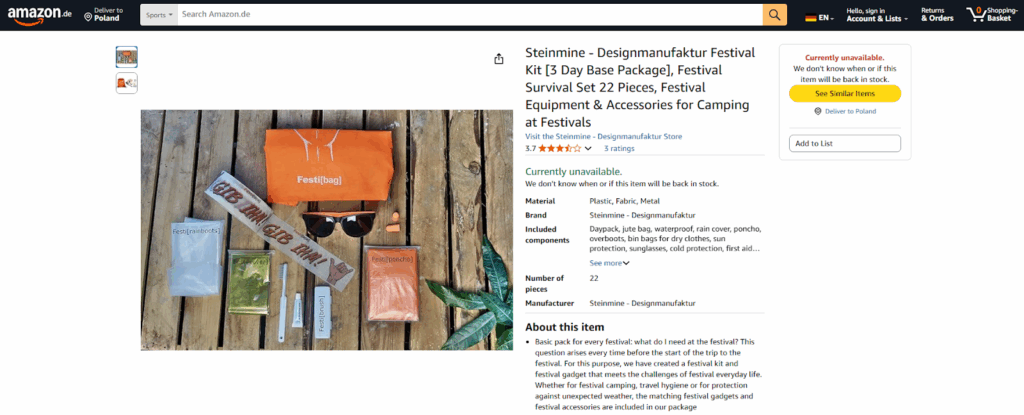
Take Rock am Ring, for example — one of Germany’s biggest festivals. Each June, online searches for “festival boots,” “power bank,” and “rain poncho” skyrocket. Shops on marketplaces or even smaller brands like Globetrotter or Bergzeit often run short-term product bundles around this period: “Festival Survival Kits” or “Outdoor Essentials Under €50.”
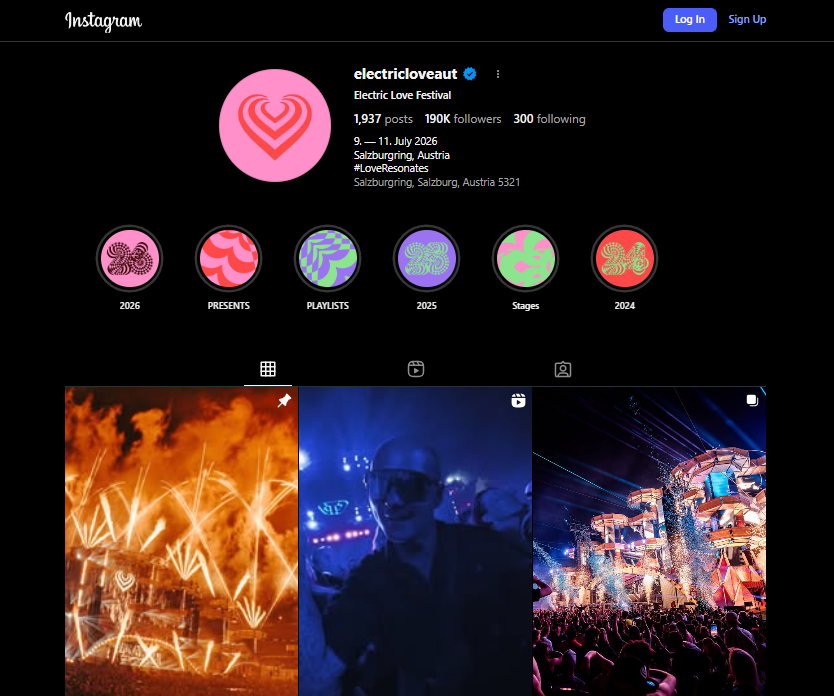
Or consider Salzburg’s Electric Love Festival. The event’s Instagram feed becomes a trend incubator every July. When influencers post bright metallic makeup looks or LED accessories, nearby stores in Salzburg and Linz report higher weekend traffic and same-day pickup orders.
Take action: If you run a store in DACH, start monitoring festival hashtags 5-6 weeks before local events. Use tools like Google Trends or TikTok’s keyword insights to spot micro-trends, then create temporary landing pages or category tags (for example: “Festival-Ready Looks” or “Camping Must-Haves for Rock am Ring”).
The power of social commerce during festival season
44% of consumers intend to purchase directly via social channels in the near future, while 40% already have. That tells us something crucial: discovery happens on social media, and the transaction happens both in social media and in e-commerce stores.
The path from scrolling to shopping has never been shorter. Social channels like YouTube, TikTok, Instagram, or Pinterest are where DACH festivalgoers discover what to wear and pack. For example, a German festival influencer might post a GRWM (“get ready with me”) video using SPF foundation and glitter spray — and within hours, that same foundation trends on TikTok Shop.
Still, trends often start on social but convert on marketplaces. That’s why social-commerce integrations are now essential for DACH sellers.
What products sell best during festival season
Festivals in DACH have an influence on e-commerce, as each one creates its own micro-market. Yet across DACH, four product categories consistently outperform during the festival months — roughly May through September.
Fashion & accessories
Fashion comes first, always. From bright sequin tops to earthy boho dresses, all is taken into account. And online, it sells out fast.
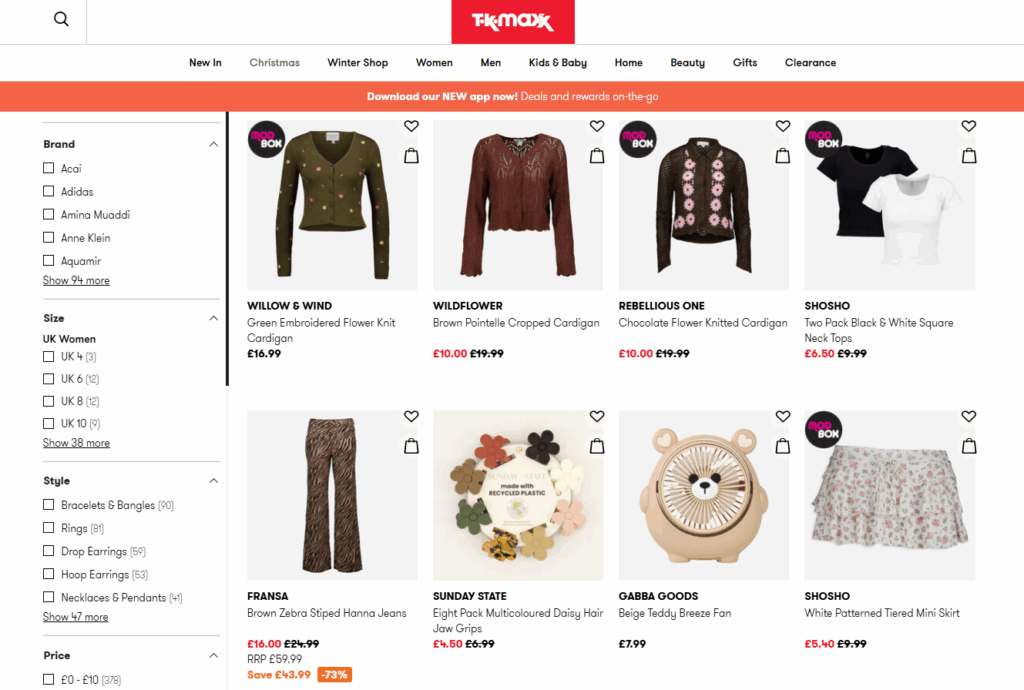
Local retailers like Zalando, About You, or TK MAXX often feature “Festival Edits” in early summer, mixing premium labels with affordable pieces. Brands that personalize product titles with event-related keywords (“Boho Outfit for Gurtenfestival”) see higher search visibility and conversions.
German shoppers tend to plan outfits weeks before big events. That means small labels can win by moving fast — running short, colorful campaigns with limited collections. Think pop-up drops or capsule lines promoted via Instagram Reels.
Take action: Don’t try to be the biggest store — try to be the quickest. Drop a mini collection timed to each local festival, use countdown timers, and link to a simple “Shop the Look” page.
Beauty & skincare
Outdoor events bring heat, dust, and long hours — and that fuels demand for resilient beauty products. Waterproof mascara, glitter gels, SPF foundations, and biodegradable wipes fly off virtual shelves every June.
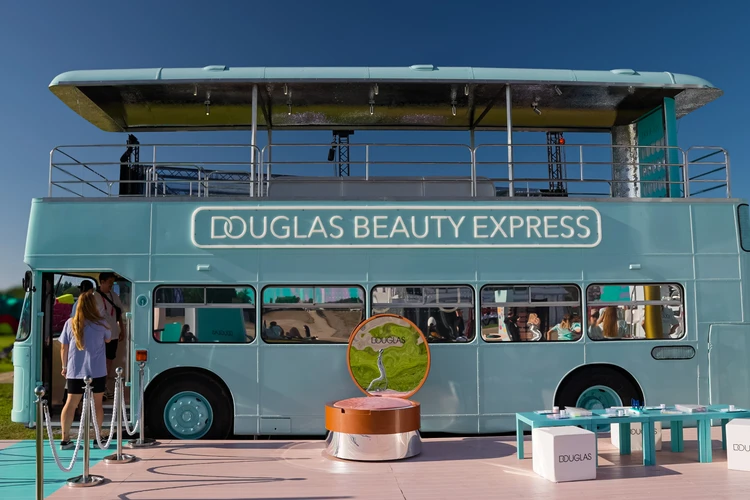
German and Austrian beauty brands have already caught on. For instance, Douglas DE runs a recurring “Festival Beauty” campaign featuring quick-fix essentials under €25. The brand also takes its Beauty Express bus on the road to major festivals, offering on-site makeup touch-ups and product samples — turning festival-goers into instant customers.
Tech & gadgets
Another example of how festivals in DACH have an influence on e-commerce is the tech sector. Festivals and dead phone batteries go hand in hand — which explains the yearly spike in tech sales, powered with dynamic pricing. Power banks, mini fans, and Bluetooth speakers become top sellers across marketplaces like Amazon DE, MediaMarkt, and Conrad AT.
Portable charger sales across Germany sell like fresh bread during the weeks leading up to major events. The trend continues as festival organizers push cashless payments and digital tickets.
Sustainable festival gear
Sustainability is not a side trend in DACH — it’s a buying principle. From reusable water bottles to solar lamps and bamboo cutlery, eco gear performs strongly throughout the season.
Many local stores, such as Avocadostore DE or Greenality, already curate “eco-festival” categories. Their approach works because it aligns with regional values — Germans and Swiss shoppers actively seek verified eco-labels and transparent sourcing.
The logistics challenge: meeting DACH shoppers’ expectations
Now, here’s the tricky part — selling is the easy bit. Delivering? That’s where the real test begins.
The influence of festivals on e-commerce is enormous, yet DACH sellers face the same three issues again and again: stockouts, slow fulfillment, and unrealistic delivery expectations. The problem isn’t a lack of demand, but keeping up with it.
DACH consumers, especially in Germany, are famous for their precision and punctuality. When they order a tent for Fusion Festival, they expect it on Thursday, not “sometime next week.” And when a product page says “available,” they trust it’s truly available.
Inventory syncing becomes the difference between profit and panic. Brands without real-time inventory updates risk overselling or refund chaos when demand spikes.
To stay in control, sellers are turning to automation tools and fulfillment partners who specialize in short delivery windows. Third-party logistics (3PL) companies like byrd DE or Seven Senders have strong coverage across DACH, helping stores deliver within 24–48 hours.
Here’s how you can prepare before the rush starts:
- Audit your stock visibility. Make sure every sales channel — your website, Amazon DE, and Zalando Partner Program — reflects live inventory data. One missing sync can cost hundreds of orders.
- Plan early restocks. Contact suppliers a month before festival season peaks (around May) to lock in delivery timelines. Avoid depending on overseas shipping during June–August.
- Offer pickup or same-day delivery in major cities. Platforms like Liefery or Gorillas for smaller items and DHL Express for larger gear can help cover last-minute buyers.
- Communicate transparently. DACH customers appreciate honesty. If delivery might take longer during festival peaks, say so clearly on the product page.
Smooth logistics build trust — and trust builds repeat business. Once buyers know they can rely on your delivery before their big weekend, they’ll come back next year too.
Timing your campaigns: boost the influence of festivals on e-commerce in DACH
Timing can make or break your festival-season sales. Every region in DACH has its rhythm — and e-commerce sellers who move with it catch the most attention.
Start early. The smart ones begin warming up audiences about a month/two before the event. That’s when people plan outfits, compare camping gear, and order practical accessories. Once the first festival photos hit social media, most of them have already finished shopping.
So, what does that calendar look like for DACH sellers?
- Spring (March–May): Pre-festival rush. People buy outdoor clothing, portable speakers, and travel essentials. Think Maifest in Germany. Use this period to launch your “early-bird” discounts — especially for high-value items like tents or headphones.
- Summer (June–August): Peak festival frenzy. Rock am Ring, Parookaville, OpenAir St. Gallen, and Gurtenfestival dominate the season. Fashion, beauty, and accessories move fastest. Focus on fast shipping, mobile ads, and bundles that feel spontaneous.
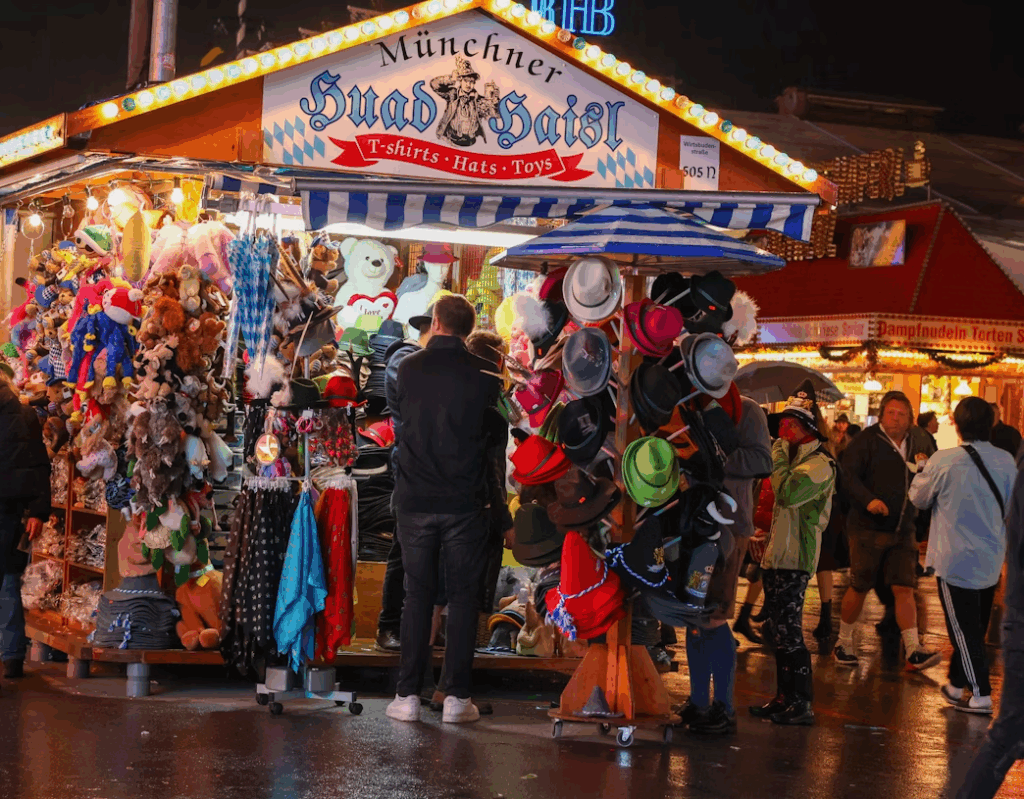
- Autumn (September–October): Heritage and harvest festivals like Oktoberfest, Cannstatter Volksfest, or Argovia Fäscht in Switzerland draw international crowds. E-commerce shifts toward themed clothing, local souvenirs, and traditional food packages. Promote pre-orders and “ship before the festival” guarantees.
The golden rule: match your inventory to the festival timeline. You’ll waste money advertising camping gear in October or winter jackets in July. Keep your promotional windows short, sharp, and relevant.
Smart marketing moves for festival-driven sales
Festival marketing is about energy. You want to capture that collective excitement and redirect it to your store. The key lies in creating quick emotional connections, not complex funnels.
#1 Partner with local influencers
Forget celebrity deals. What works better in DACH is collaboration with micro-influencers who post live from events. A small creator showing your glitter palette or waterproof bag in use at Electric Love Festival can do more for your brand than a polished ad campaign.
These partnerships feel authentic. They also keep you visible in real time while audiences scroll between event photos. Bonus: influencer content doubles as user-generated material for retargeting later.
#2 Ride trending hashtags
During festival weekends, social media feeds explode with localized tags — #Parookaville, #OpenAirStGallen, #WienFeiert. Aligning your ads or posts with those hashtags can instantly lift engagement.
Even better, use real moments. If Zurich Openair faces rain, run a quick “emergency poncho” promo with same-day delivery. That’s how you turn micro-moments into measurable sales.
Take action: Prepare 3–4 ad templates that can be edited on the spot with new text or visuals. Keep them short and spontaneous — think “Last-minute essentials for Gurtenfestival? We’ve got you covered.”
#3 Offer limited drops and bundles
Scarcity works, especially when tied to event energy. “Festival Edition,” “Weekend Drop,” or “Summer Bundle” all signal urgency without forcing discounts. It gives shoppers the sense of being part of something happening right now.
For instance, a Berlin-based accessory brand could launch a “Parookaville Prep Box” — sunglasses, power bank, and glitter spray — with only 300 sets available. That kind of campaign sells out quickly while creating organic buzz.
#4 Geo-target festival cities
Geo-ads are gold during festivals. People search for “pickup near me” more often when traveling. Target ads within 50–100 km of major festival sites like Munich, Cologne, or Zurich.
Combine that with local delivery promises (“Arrives before Rock am Ring”) or pickup options at local partner stores. This hybrid experience — online discovery, local fulfillment — appeals strongly to DACH buyers who value reliability and speed.
The influence of festivals on e-commerce: What to do next?
The party might end, but the relationship doesn’t have to. After the final act and confetti, e-commerce sellers have one more chance — to turn one-time buyers into loyal customers.
We have tips on how.
Retarget your new crowd
Every festival shopper leaves digital traces. Track them through your CRM or pixel data, then retarget with “after-festival” offers:
- Skincare recovery bundles.
- Laundry kits for camping gear.
- Early-bird codes for next season.
Keep it casual, not pushy — like a friendly check-in: “Back from Gurtenfestival? Here’s 10% off your next adventure.”
Build community through user content
Festivals thrive on shared experience. Ask customers to post photos or short clips of how they used your product at the event. Repost them with credit. People love seeing their content featured by a brand they’ve shopped with.
In Germany, this tactic works especially well on Instagram, where smaller eco and fashion brands turn customer photos into weekly stories. It humanizes the brand and stretches visibility long after the event.
Launch a referral or loyalty program
Festival audiences often shop in groups — friends buy matching outfits, shared tents, or joint gear. Referral rewards fit naturally into this behavior. A simple “invite a friend, get €5 off” campaign can bring new customers faster than paid ads.
Don’t overdo it, though. Stay polite, skip the spammy follow-ups, and focus on genuine engagement. Just think, that if festivals in DACH have an influence on e-commerce, you can use that momentum to build small, loyal circles of repeat buyers.
Every beat counts
The influence of festivals on e-commerce in DACH reminds us that commerce doesn’t happen in isolation. It happens when people connect — on a field, under a tent, or through a screen. Every purchase, every bundle, every limited drop mirrors that collective rhythm.
So next time Rock am Ring lights up the Rhineland or Zurich Openair fills the lakeside, look beyond the stage. The real action might be in your store analytics — carts filling, sales climbing, and customers tagging your brand in their best moments.
Festivals bring people together. E-commerce turns that energy into something lasting. The question is, will your business catch the beat?