Most interesting campaigns at the end of 2025 – get inspired in DACH
Explore the most intriguing campaigns from the end of 2025. Find inspiration for your DACH store and elevate your marketing efforts.

What makes people care in late November and December, when every brand is shouting “sale” at the same time?
At the end of 2025, the most interesting campaigns did not win by being louder. They won by being clearer. One strong idea, easy to explain, easy to repeat, easy to act on.
If you’re planning DACH campaigns in 2026 (or even a January bounce-back), these examples give you a solid playbook. You can borrow the mechanics, the timing, or the emotional hook, then adapt it to your market and budget.
What made the most interesting campaigns work in DACH at the end of 2025
End-of-year marketing has two common pain points: people are tired, and budgets get tight. Shoppers want gifts that feel thoughtful, and they want brands that respect their time.
That’s why many of the most interesting campaigns at the end of 2025 leaned into one of these angles: a clear reward, a familiar seasonal ritual, a “your year” recap, or an offline moment people could share.
For DACH campaigns, there’s one extra twist: people tend to notice the fine print. They read conditions. They compare. So the brands that win usually make the rules simple, the benefit visible, and the redemption painless.
Below are eight campaigns (and campaign styles) worth stealing.
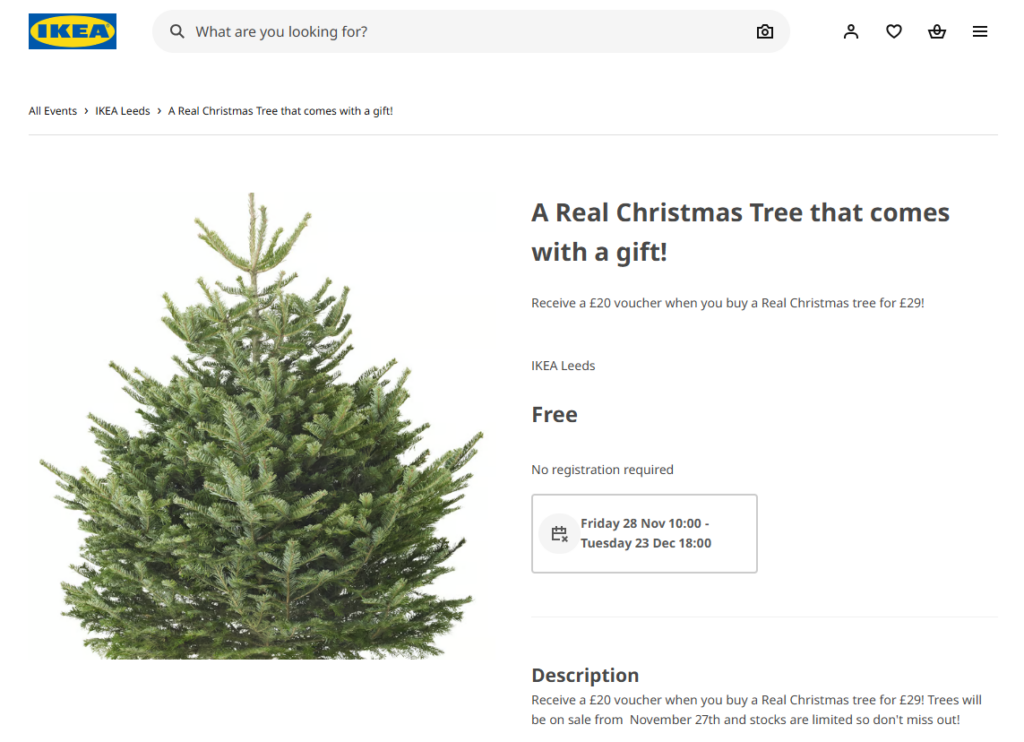
IKEA – buy a Christmas tree and get a voucher
IKEA turned a seasonal purchase into a reason to come back after the holidays. Buy a real Christmas tree, then get a voucher you can use later, with a minimum spend and a clear validity window. That “come back in January” timing is the whole point.
It does two jobs at once. It helps IKEA win the tree purchase, and it builds a January store visit when footfall usually dips.
If you want this idea for DACH campaigns, keep the mechanic clean: “Buy X now, get Y later.” Put the dates in bold on every touchpoint. Also, make the next-visit reward feel worth the trip, not a tiny discount that looks like admin.
A strong local twist: partner with a local tree supplier, then make pickup fast. People will tolerate less friction in December.
Allegro & Amazon – bet on emotional storytelling
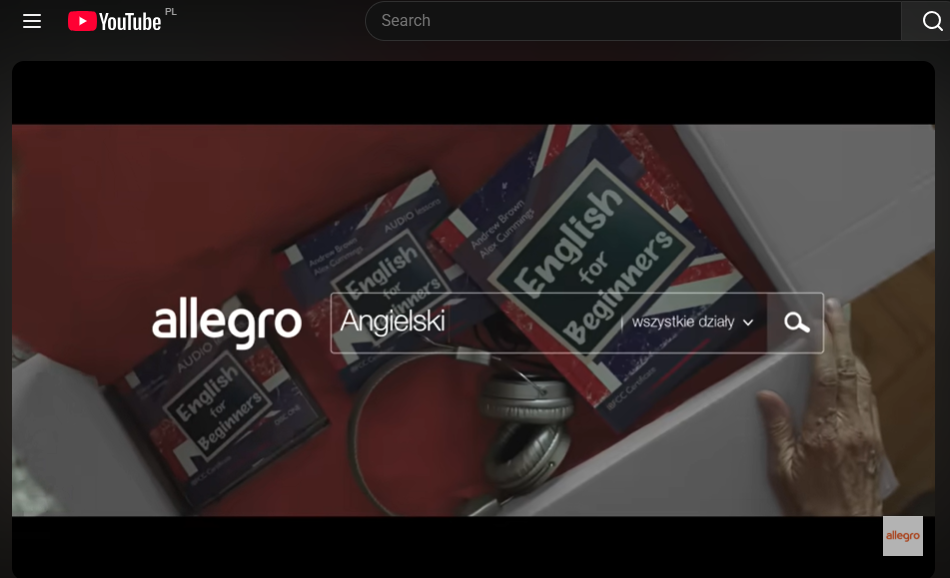
Both Allegro and Amazon kept the holiday message simple: what matters most is people, not stuff.
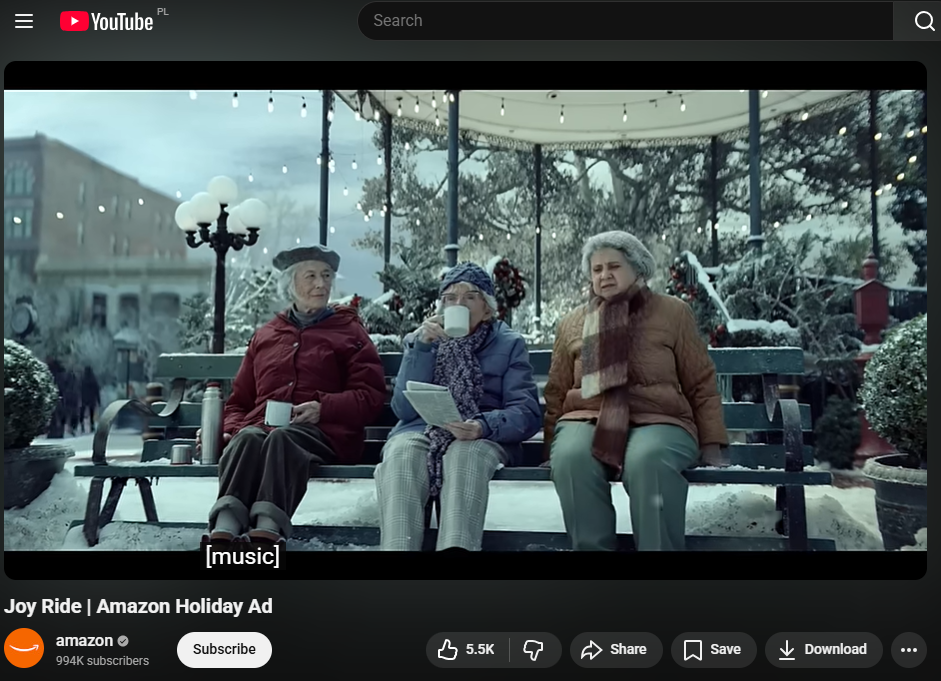
Allegro’s Christmas films are focused on closeness and time, framed through a family story. Amazon leaned into friendship and shared memories in its “Joy Ride” story, which also had a long life across years.
Yes, these are videos. Still, the real lesson is bigger than a film. It’s a content system. Once you have a human truth, you can echo it in product pages, emails, in-store copy, and out-of-home lines.
This is why it belongs in a list of most interesting campaigns. It is not “Christmas magic.” It’s a real moment people recognize, then a brand shows up as a helper, not a loud seller.
For DACH campaigns, the practical move is to anchor your message in everyday life. Keep it grounded. Avoid forced drama. One small scene that rings true will travel farther than a big plot.
McDonald’s – the iconic burger returns… but only for a while
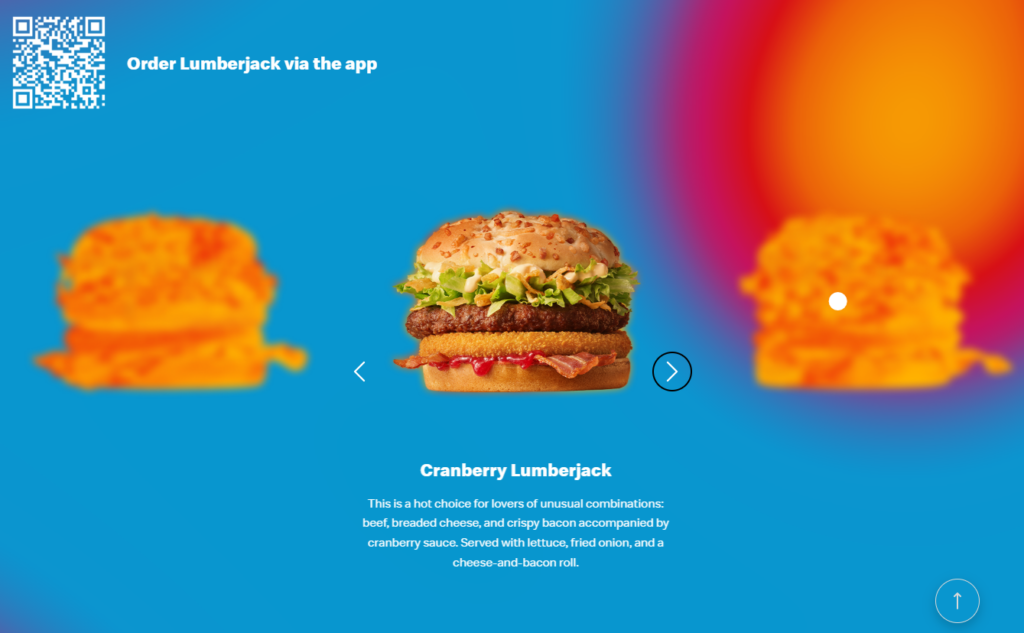
A limited-time return is a classic, and McDonald’s keeps it loud because it works. In Poland, “Burger Drwala” returned again in November 2025, framed as a winter ritual with a tight seasonal window.
This type of launch makes noise because it hits two triggers: nostalgia and scarcity. Fans do the marketing for you. They post it, they review it, they argue about the “best version,” and they bring friends along.
What to steal for DACH campaigns: pick a product people already love.
Bring it back on a predictable season cue, then keep it time-boxed. Do not stretch it too long. The tension fades.
One more thing: the rollout matters.
Tease it early, then go wide. If you do a “preview location” stunt, keep it simple so it feels fair, not like a secret club.
Uber Eats – introduce humor with a movie star or influencer
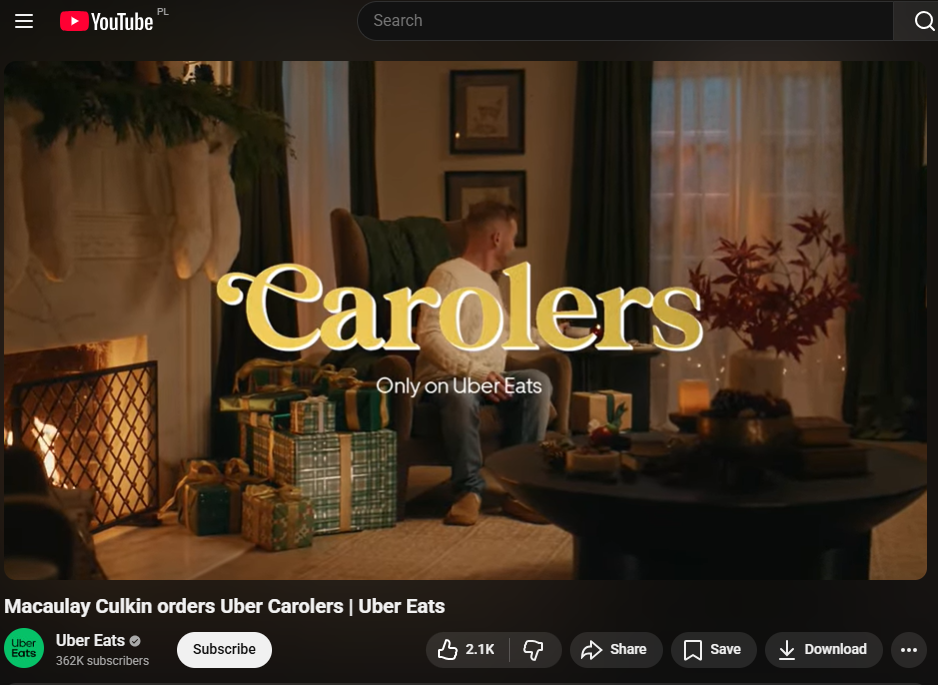
Uber Eats used a recognizable face and a funny premise: Macaulay Culkin ordering carolers through the app. The joke lands fast, and it links directly to a real action people can take. In the U.S., users could order carolers on a set date in select cities.
This is one of the most interesting campaigns because it blends entertainment with a product feature. The campaign is not “watch this ad.” The campaign is “try this thing.”
For DACH campaigns, you do not need a Hollywood star. You need a local person, a micro influencer, with high recognition and low explanation cost. Think mainstream TV talent, a sports figure, or a creator whose style fits your brand without forcing it.
Also, make the mechanic easy. If you want people to try a new category or a seasonal add-on, place it front and center in the app. One tap from the home screen beats five clicks buried in a menu.
Spotify – let’s wrap 2025
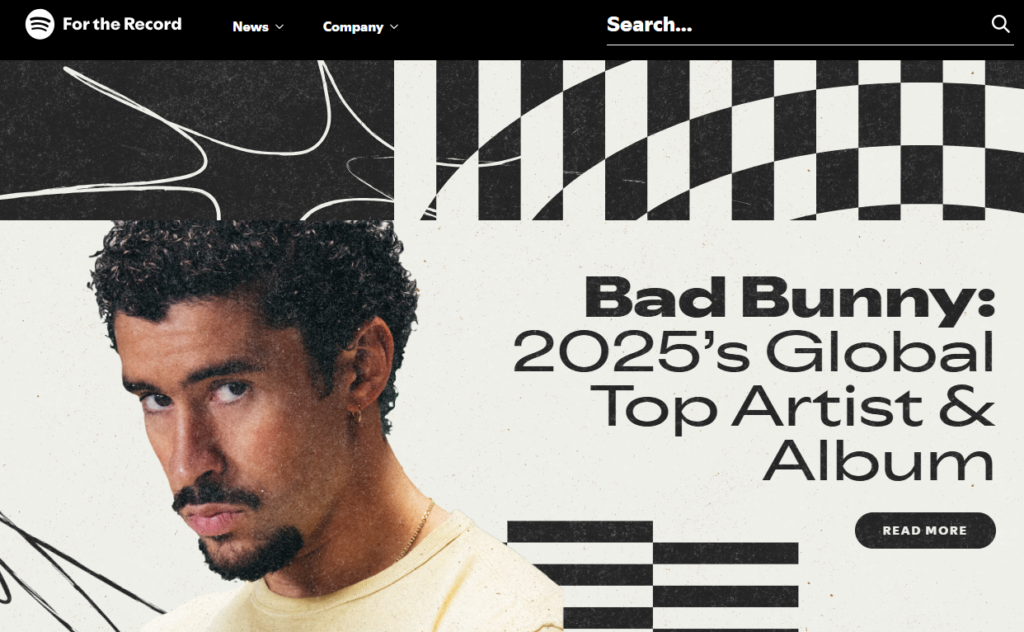
Spotify Wrapped stays a late-year monster because it turns personal data into a shareable story. In 2025, Spotify pushed more layers and added features like “Wrapped Party,” turning the recap into a social moment inside the app.
This is a template for DACH campaigns far beyond music. Any app, retailer, or platform can do a “year recap” if you have user activity data. The trick is to make it flattering and fun, not creepy.
Keep it opt-in. Keep the copy clear. Tell users what data you used in plain language. Then give them a clean card they can share, even if they do not post it.
Among the most interesting campaigns of late 2025, Wrapped stands out because it builds loyalty without discounts.
People come back to see themselves in the product.
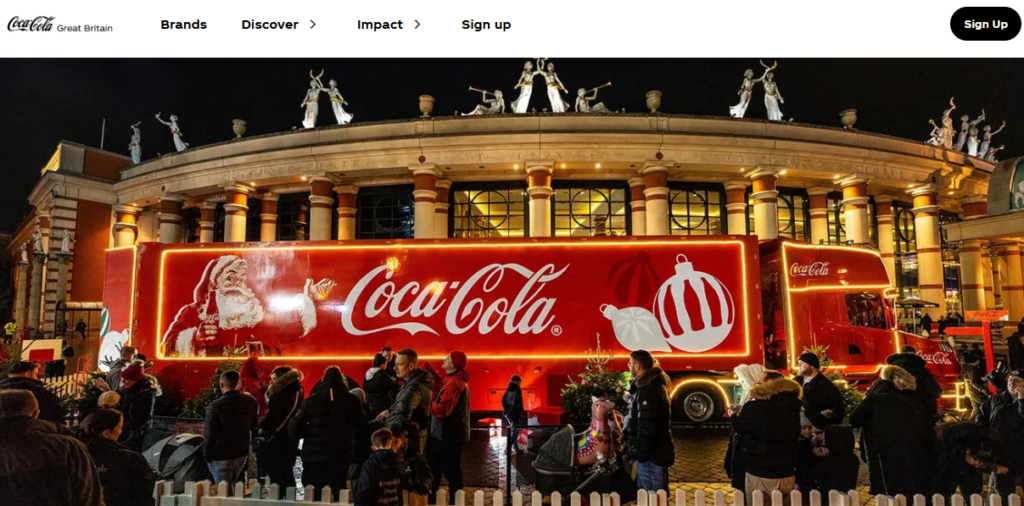
Coca-Cola – the Christmas truck is coming to your town
Coca-Cola’s truck tour is an old idea that still prints attention because it becomes real life. In Germany, Coca-Cola positioned its 2025 truck tour around togetherness and invited people into festive experiences.
Coca-Cola also leaned into rail-based stops with DB Cargo, tied to station events and ticketing via the Coca-Cola app. Tickets were limited, and the app raffle added urgency and buzz.
For DACH campaigns, this shows how to build a physical “moment”. You need one iconic asset (a truck, a pop-up, a branded cabin), then a tight schedule, then a simple entry mechanic.
The win is not the truck itself. The win is what people do around it: photos, family visits, “we were there” posts, and that warm seasonal association that sticks.
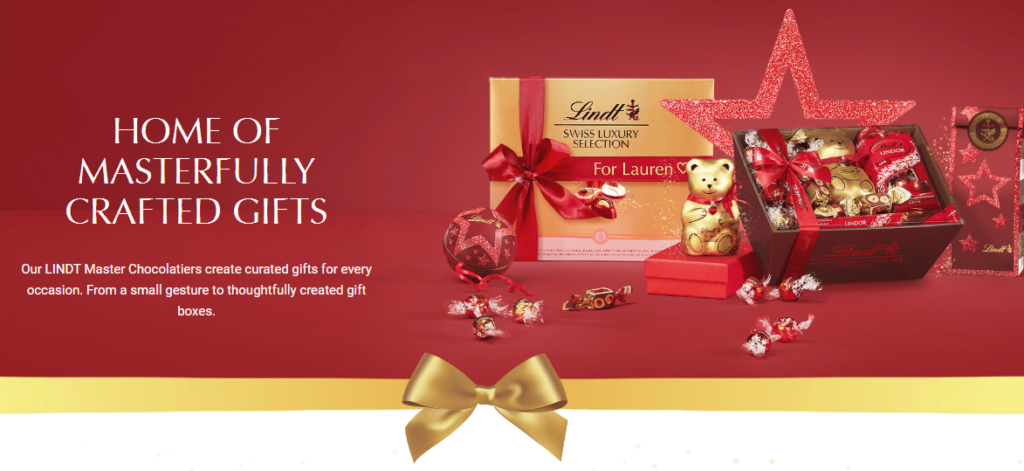
Lindt – emphasize a simple but strong connection (chocolate = Christmas)
Lindt leans into an idea people already believe: chocolate is a safe, welcome gift in December. It shows up in packaging, gifting collections, and seasonal formats like Advent experiences.
This belongs in a list of the most interesting campaigns because it is not trying to reinvent the season. It doubles down on a known connection and makes it easy to buy.
For DACH campaigns, that’s a useful reminder. If your category already has a holiday role, amplify that role. Make gifting easy: clear bundles, “for hosts” sets, “thank you” minis, and price points that feel like a smart pick.
Also, do not overcomplicate the story. The customer already gets it. Your job is to make the decision feel quick and confident.
Rituals – your sign to prepare an advent calendar
Rituals built its holiday push around the Advent calendar, with a premium feel and a daily “tiny luxury” promise. For 2025, Rituals listed its Advent calendars as available from mid-September online and in stores, which also stretches the season early.
This is smart for two reasons. First, it turns one purchase into 24 moments. Second, it creates a gift that feels generous without the buyer needing to assemble anything.
Some editions also use physical details like lights in the calendar setup, which turns the box into a centerpiece, not packaging.
For DACH campaigns, the takeaway is the format. If you can break your product into a daily ritual, you get repeat attention without repeat ad spend. It can be skincare, coffee, snacks, even digital perks inside an app.
Other ideas you can use in DACH
If you’re writing about DACH campaigns, it helps to include mechanics people can run without a big film budget. These ideas match the spirit of the most interesting campaigns: clear value, clean rules, and a reason to act now.
1) “Reserve now, pick up later” holiday drops
Run a short preorder window for a seasonal item, then offer guaranteed pickup slots. This works well when delivery networks get messy in December. It also reduces customer stress because they know they’ll get the item on time. Keep the promise narrow: limited units, clear pickup dates, one simple confirmation message.
2) Gift wrapping as a reward, not a service
In December, wrapping is emotional and annoying at the same time. Turn it into a perk people can unlock. For example, free premium wrapping above a spend threshold, or free wrapping on one “giftable” category. The DACH-friendly move is transparency: show what “premium wrapping” means, and keep the threshold easy to remember.
3) “Buy for someone else” matching donations
Instead of a generic charity message, connect it to a simple customer action. Example: every gift purchase in a certain category triggers a matched donation, or funds a concrete item. The key is clarity: name the partner, show the impact unit, and report results once. This type of idea can sit inside DACH campaigns nicely because it respects people who want proof, not slogans.
4) Local “late-night shopping” micro-events with timed perks
Run two or four evenings where shoppers get a small perk only in a short time block. It can be a gift-with-purchase, a free hot drink, or a category bonus. The point is to create a reason to show up at a certain time, not “sometime in December.” If you’re e-commerce only, do the same thing with a timed checkout bonus.
5) QR scavenger hunt across store zones or city locations
Hide QR codes in-store, in partner cafés, or in your own OOH placements. Each scan unlocks a small reward, a clue, or a collectible digital badge. Keep the path short so people finish it. In DACH campaigns, this works best when the prize is practical, like a discount on a gift set or free shipping on the next order.
6) “Secret menu” week for loyal customers
Create a small set of hidden items or bundles that only members or newsletter subscribers can access for a few days. This makes loyalty feel real without building a massive points program. The execution needs to be clean: one landing page, one code, one deadline, and no confusion at checkout.
7) Stress-free delivery pledge with a visible countdown
Instead of repeating “order by X,” make it a pledge that feels like customer care. Example: if you miss the delivery promise, you credit shipping or add a small gift card. Then place a countdown timer on key pages and in emails. People in DACH often plan early, so a clear delivery promise becomes a competitive edge.
8) “One product, one story” gift guides from real staff or customers
Skip the generic gift guide grid. Pick a small number of items and attach a short note from a real person: why they gift it, who it fits, what problem it solves. This turns your product pages into mini recommendations without trying too hard. It also keeps your article aligned with most interesting campaigns logic: simple, human, and easy to trust.
These mechanics fit DACH campaigns because they respect smart shoppers. They do not rely on hype alone. They give people a clear reason to choose you.
Closing thought
If you take one lesson from the most interesting campaigns at the end of 2025, take this: one clean idea beats ten half-ideas.
Start with the behavior you want. More store visits in January, more app opens in December, more gift baskets, more first-time orders. Then pick one mechanic that makes that behavior easy.
A simple plan that tends to work:
- Pick one seasonal “anchor” product or moment
- Add one reason to act this week, not next month
- Make the rules short enough to fit on a poster
- Build one follow-up touch in January so the campaign keeps paying you back
So, which idea would you like to try?