Best ideas for German retailers to compete with Chinese marketplaces beyond price
Explore effective tactics for German retailers to compete with Chinese marketplaces, emphasizing value, customer experience, and differentiation beyond pricing strategies.
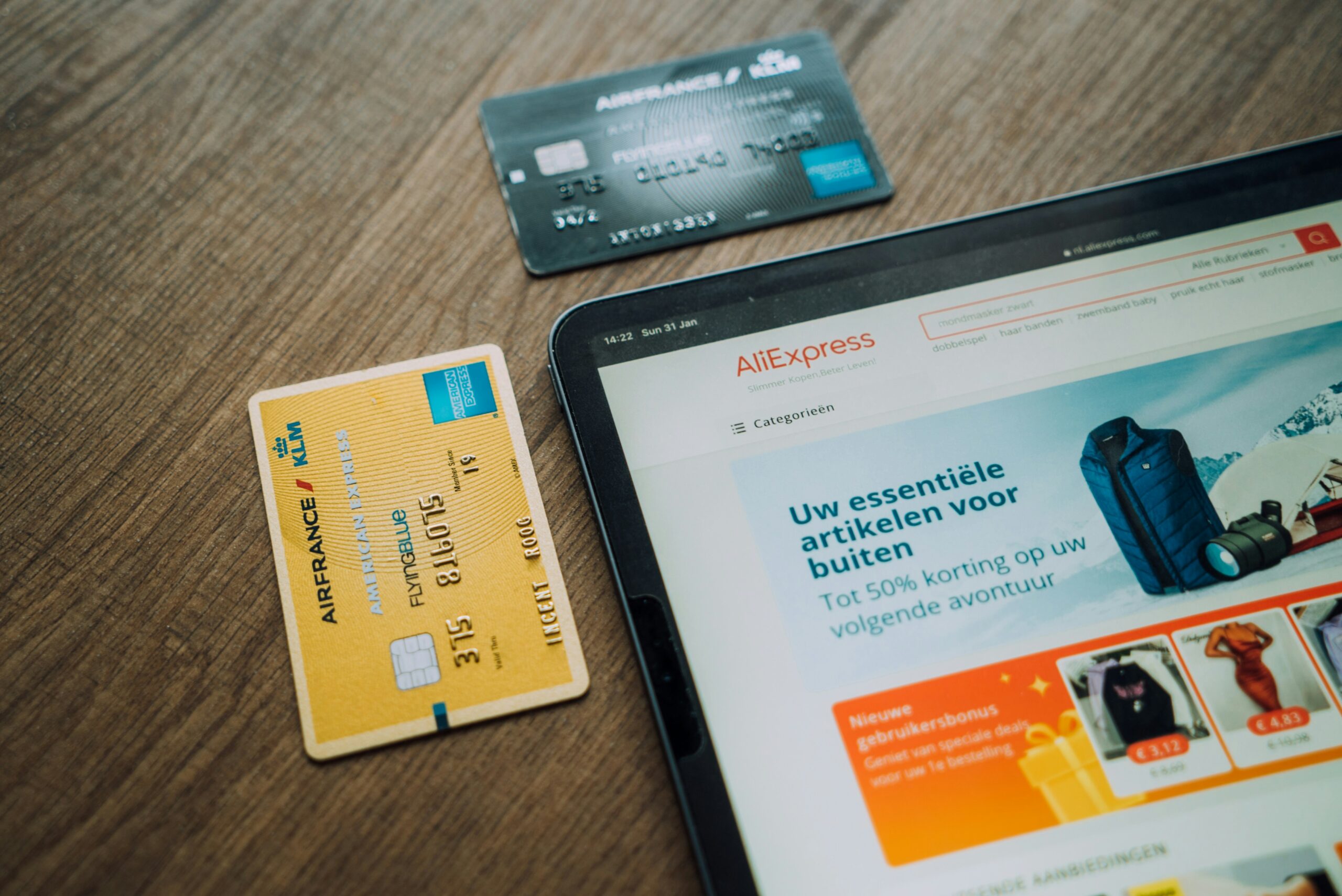
Chinese marketplaces’ ads are everywhere. Scroll Instagram, open YouTube, check Facebook—there it is again. Bright colors, tiny prices, and the promise of getting everything shipped straight from China for almost nothing. It’s easy to see why shoppers get tempted.
German retailers, though, are feeling the squeeze. Competing with Chinese marketplaces means facing brands that can afford billion-euro ad budgets, factories running around the clock, and governments that back export-heavy growth. You can’t win this game by cutting prices until the margin disappears.
So the question is: what can smaller German retailers do to compete with Chinese marketplaces that play by completely different rules?
The answer lies in your strengths—quality, proximity, service, and trust. Let’s unpack them step by step.
Why price isn’t your strongest weapon
Price feels like the easiest lever to pull. Drop it, and maybe the clicks will follow. But it rarely ends well.
When you try to match Chinese sellers on price, you’re entering slippery ground. A loop where every discount hurts your profits a little more. Big players like Shein can absorb those hits because their production and shipping costs are much lower. You can’t.
German retailers rely on regulated labor, stricter sustainability rules, and higher tax obligations. It’s impossible to compete with Chinese marketplaces on that front. What you can do instead is turn that difference into your selling point.
Tell the customer what they’re actually paying for:
- reliability,
- quality control,
- local warranty,
- and a brand they can talk to if something goes wrong.
Tip: Don’t discount to stay visible.
Diversify how you reach people. Run smaller local campaigns instead of broad discount pushes. Partner with regional media or social creators who speak the same language and share your story instead of competing on price tags. A fair price for real value beats the lowest price with hidden compromises every time.
Build your edge around quality and trust
When you can’t be the cheapest, be the most trusted. German shoppers pay attention to detail. They read product reviews, zoom in on photos, check technical specs, and expect accuracy. That’s your opportunity to win.
Emphasize craftsmanship
Highlight where and how your products are made. Use photos of production stages, short clips from your workshop, or stories about your suppliers. Invest in quality materials and rigorous quality control – that’s something Chinese mass sellers often skip. When customers see effort, they perceive value.
Even in fast-moving categories like electronics or fashion, buyers look for longevity. Show that your products last, and you immediately separate yourself from the “wear-once” or “use-for-a-month” culture many associate with low-cost imports.
Read also: The AI Advantage: How to Improve Product Photos & Boost Sales
Make trust visible
Trust doesn’t come from claims; it comes from proof. Certifications, TÜV marks, or sustainability labels – display them proudly. If you offer extended warranties, emphasize them. And always make it easy to find contact details. German consumers value knowing there’s a real person behind a brand.
If you sell through marketplaces, reinforce your presence outside of them too. Have a website, social accounts, and consistent visuals. That’s how people know they’re buying from a legitimate German business.
Sustainability as your badge of honor
Sustainability in Germany is a lifestyle. People are aware of the environmental cost of endless shipping and cheap materials. About 70% of 18- to 25-year-olds care deeply about environmental impact. That’s a huge share of potential loyal customers who’d rather buy less, but better.
Talk openly about your materials, your suppliers, and even your packaging choices. Show effort. A small local brand that uses recycled cardboard and ships within Europe will always look more responsible than a platform that flies packages halfway around the world.
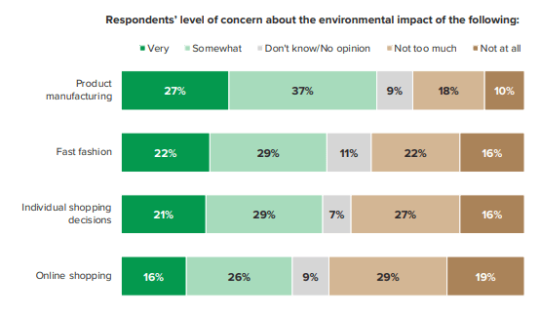
Try: Use sustainability as storytelling.
Don’t throw around eco-terms. Explain the “why.” For example: “Our leather goods come from a family tannery in Bavaria that recycles its water supply.” Short, specific, believable.
Strengthen your brand – clarity, consistency, credibility
Think of the biggest difference between a Shein listing and a local retailer. It’s personality. One feels like a vending machine. The other can feel like a brand with a face.
To compete with Chinese marketplaces, you need a brand that sticks in memory. One that looks, sounds, and acts the same everywhere – from your product pages to your Instagram captions.
Stay consistent across touchpoints
Keep your color palette, tone, and message uniform. If your brand voice is playful, let that energy appear in emails, packaging, and ads. If it’s minimalist, keep it that way everywhere. Also, make sure your logo and product visuals are clean, high-resolution, and the same quality across channels.
Use storytelling that fits German culture
Stories connect more than slogans. Share customer experiences, production anecdotes, or even challenges. Many German consumers relate more to authenticity than perfection.
Personal touch sells
When your founder, designer, or shop manager appears in a post or video, it instantly changes the tone. It reminds people they’re supporting local work. That kind of authenticity can’t be replicated by large Chinese marketplaces with anonymous sellers.
Tip: Choose two platforms and dominate them.
Trying to post everywhere waters down your message. For most German retailers, that’s usually Instagram + newsletters, or TikTok + website blog. Find your pair, and own it.
Focus on emotion
Chinese marketplaces rely on algorithmic exposure. They flood social feeds and marketplaces with ads. You don’t have that scale, but you can have meaning. Humor, craftsmanship, nostalgia, community – emotions are timeless differentiators. If your content makes someone feel something, they’ll remember you long after they scroll past the next discount ad.
Master listings and storytelling
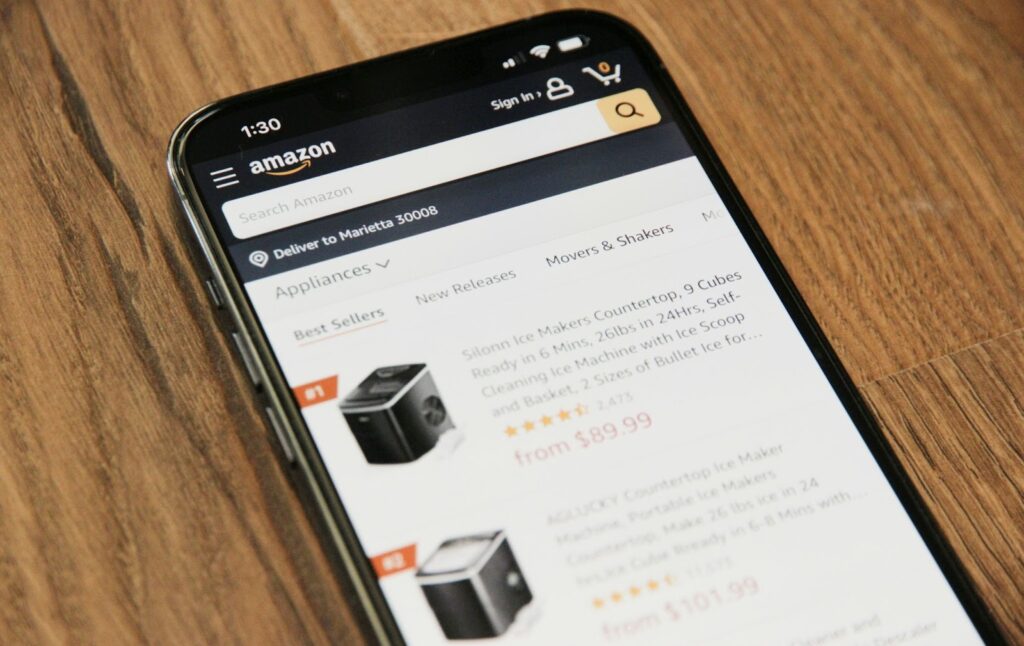
If you sell online, your product page is your storefront. It’s where first impressions are made, and where many German retailers lose ground. Chinese sellers have mastered catchy titles and over-edited photos, but that’s also their weakness. People can feel when something looks fake. You can win by being clear, human, and accurate.
Your titles need clarity, not clutter
Keep them simple, localized, and focused on the benefit. A title like “Küchenmesser aus Solingen – Präzision & Langlebigkeit” will always attract more trust than “Premium Knife Super Sharp High Carbon Steel Kitchen Cutting Tool.”
Add the essentials (brand, model, key feature) but skip keyword stuffing. Search algorithms today read context; authenticity beats repetition.
Visuals that tell a story
Photos do half the selling. Use natural lighting, neutral backgrounds, and a consistent style. Show multiple angles and add one or two lifestyle shots where the product is in use. This helps customers picture it in their homes.
Include at least one photo that highlights texture or material—it’s your proof of quality. That’s something budget sellers usually can’t fake convincingly.
If possible, include short videos. Product videos can boost conversions significantly. You don’t need cinematic quality—a 20-second clip showing functionality or unboxing builds far more trust than static images.
Descriptions that feel human
Forget robotic product blurbs. Write descriptions like you’re explaining the product to a friend. Start with a one-line benefit (“Perfect fit for your next hike”), then list features in short bullet points—size, material, warranty.
Keep it honest. If there’s a limitation, mention it. German shoppers appreciate transparency. They’d rather read “machine washable at 30°C” than a vague “premium washable quality.”
Use A+ content wisely
If you’re selling on Amazon.de or Otto, make use of A+ modules. They allow comparison tables, banners, and extra images to reinforce your story. Listings using A+ content can raise conversion rates by up to 20%.
Invest time in designing these sections professionally. Think of them as your digital salesperson—someone who doesn’t sleep.
Best practice: Update product pages every quarter.
Add fresh reviews, refresh images, and adjust copy for seasonality. Your competitors on Chinese marketplaces constantly change listings to stay visible—you can stay smarter by keeping content relevant.
Deliver what Chinese marketplaces can’t – service and logistics
You can copy a product. But you can’t copy good service.
That’s the biggest advantage German retailers have when they compete with Chinese marketplaces. Most cross-border sellers operate far away from their customers — different time zones, languages, and refund policies that can feel like a maze.
Fast, local, and reliable wins hearts

Delivery is where you can make a real impression. When a customer orders on a Tuesday and gets their parcel by Wednesday afternoon, that satisfaction stays. Chinese marketplaces can’t do that for local orders — their delivery times can still stretch over a week or a few days at least.
Set up partnerships with reliable couriers like DHL, DPD, or Hermes, or use parcel locker networks that have exploded across Germany. Customers now expect flexible pickup points and real-time tracking updates.
You don’t have to promise “same-day delivery” everywhere. Just promise reliability and actually deliver it.
Tip: Keep customers updated.
Yes, even when things go wrong. A single email saying “We’re running a day late, but your parcel’s on its way” can prevent frustration and protect your ratings.
Returns that make customers stay
Chinese marketplaces often complicate returns. Long wait times, unclear instructions, or non-EU return addresses make buyers hesitate. You can flip that narrative.
Have a clear, friendly return policy on your website — in German, short sentences, no legal jargon. Offer a printable label or QR code. When returns feel simple, customers feel safe buying again.
Human support matters more than bots
Automation is great, but people still crave human answers. Make your support accessible — email, phone, or live chat in German. A one-day response time can make a huge difference in loyalty.
Train your team to go beyond scripts. If someone complains, don’t just apologize. Solve it fast and throw in a kind gesture, like a discount on the next order.
Collect and showcase proof – reviews, ratings, and real feedback

Think about how you shop online. You scroll, compare, and read reviews before trusting a new brand, right? Your customers do exactly the same.
When you compete with Chinese marketplaces, social proof becomes your shield. Shein’s product pages may have thousands of reviews, but they often lack credibility. You can’t beat them in quantity, but you can absolutely win in quality.
Ask for reviews the right way
Right after a purchase, send a short thank-you email — nothing salesy. Then, a few days later, ask for a review once the product has arrived and been used. Timing matters.
Add a QR code or tiny message card inside the package: “We’d love your honest feedback — it helps us grow.” Authenticity works better than any incentive.
Respond publicly
Don’t ignore reviews once they start coming in. Respond to them, even the neutral ones. A simple “Thank you for your feedback — we’re glad you liked the packaging!” keeps your brand human.
Negative reviews? Handle them fast and gracefully. A professional reply turns a complaint into proof of your reliability. And German shoppers pay attention to that.
Go local, stay smart – technology and partnerships
Small retailers often feel outmatched by the size and data power of Chinese marketplaces. But tech is no longer a luxury. You just need to use it with purpose.
Use simple tools that multiply your impact
Automated email platforms, AI copy assistants, and affordable CRMs can make your life easier without feeling corporate. Use them to personalize messages, remember repeat customers, and analyze buying trends.
Even a basic dashboard that tracks open rates, delivery success, and product views gives you insight into what’s working — something many independent sellers still skip.
Partner with platforms that speak your language
Instead of trying to fight Chinese marketplaces on their turf, team up with platforms that share your values.
German marketplaces like Kaufland.de, OTTO and Zalando give you access to large audiences while keeping your logistics within Europe. Many of them now promote sustainability filters or “local seller” badges, which instantly add credibility.
Local data = local success
Use analytics to learn what Germans search for, when they buy, and which products trigger repeat purchases. Big marketplaces rely on massive data sets, but your focused view can be more actionable.
Tip: Track repeat purchase rates and product returns.
If one product consistently drives reorders, build your storytelling around it. That’s your “hero” product — your Trojan horse against low-cost competitors.
Build a community around your brand

Another thing Chinese marketplaces can’t easily replicate is emotional connection. They sell efficiently, but they don’t belong anywhere. A German retailer, on the other hand, can be part of local life.
You could run Instagram polls asking followers to vote on new product colors. Feature local customers in your newsletters. Join trade fairs, festivals, or eco markets — and share those experiences online.
When customers feel part of your journey, they stop comparing prices. They buy because they like you.
Keep testing and adjusting
You’ll never find the “perfect” email cadence or ad strategy. That’s fine. The key is to test small changes constantly.
Run A/B tests for email subjects, landing pages, or even packaging design. Keep what converts and let go of what doesn’t. Big marketplaces should test really often — you can test weekly and still stay nimble.
Conclusion – Competing on what really matters
German e-commerce doesn’t need to fear the rise of Chinese marketplaces. It just needs to remember what made it strong in the first place: precision, reliability, and respect for the customer.
Chinese marketplaces compete with scale. You can compete with connection. So start there.
Pick one area — listings, packaging, after-sale service — and make it unmistakably yours. Once you do, you’ll realize that your real edge isn’t about being cheaper, but closer.