Engelskirchen Beekeepers Find New Buyers For Artisanal Honey on Temu
A family-run honey producer near Cologne, Germany, joined Temu in 2025 and found a new pool of first-time customers who are now becoming regulars. (Ad)
Summary
1. Can artisanal food producers reach new customers on Temu? Grega’s Imkerei, a honey producer near Cologne, joined Temu’s Local Seller Program in September 2025 and says 70% of platform orders are from first-time buyers.
2. How many professional beekeepers are in Germany? Most of Germany’s 150,000 beekeepers are hobbyists, according to the German Beekeepers’ Association. The Grega family business is among the handful doing it professionally.
3. Do first-time Temu buyers come back? An Ipsos survey found that 29% of German shoppers say they are more willing to try new products on Temu. Grega’s Imkerei says first-time customers are becoming repeat buyers.
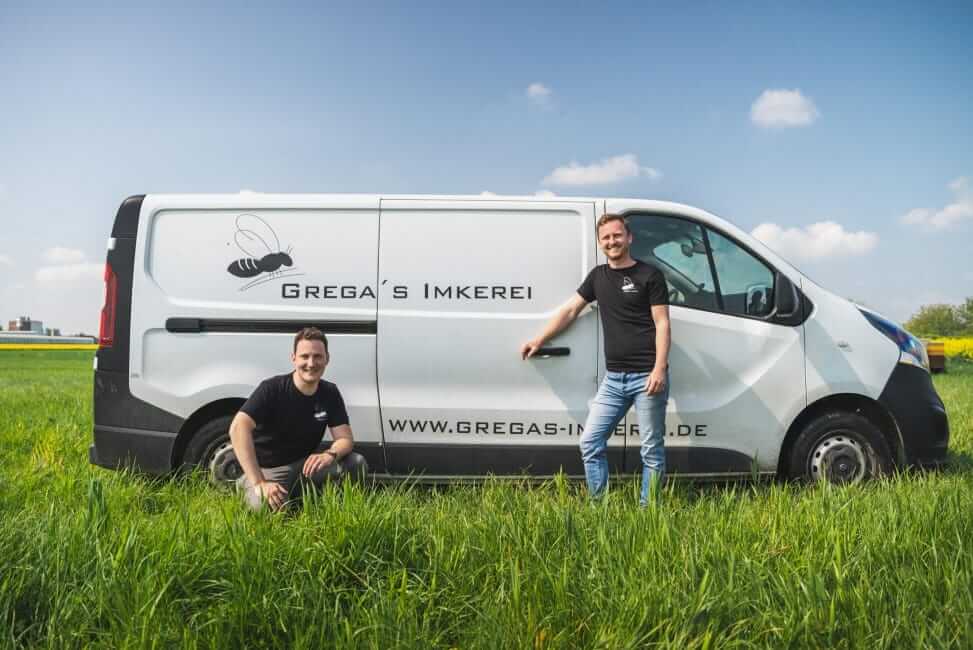
Grega’s Imkerei is a family-run beekeeping business that’s been operating out of Engelskirchen, Germany, for almost a decade. Business was steady, with sales mostly coming from a pool of regular customers and the brand’s existing sales channels. Finding new buyers was the tricky part.
In September 2025, they listed on e-commerce marketplace Temu. Co-founders Florian Grega and Leon Grega say that roughly 70% of orders on the platform are from people trying their products for the first time.
“It has helped us reach people we would not have captured through our usual channels,” said Florian. “Temu has worked for us from day one and continues to grow.”
From hobby to profession
Beekeeping started out as a hobby for both Florian and Leon. In 2018, they turned it into a licensed operation, producing small-batch honey products in the countryside of the Bergisches Land region, about 30km east of Cologne. Now they manage a team of 15 workers, roughly 350 bee colonies and around 18 million bees.
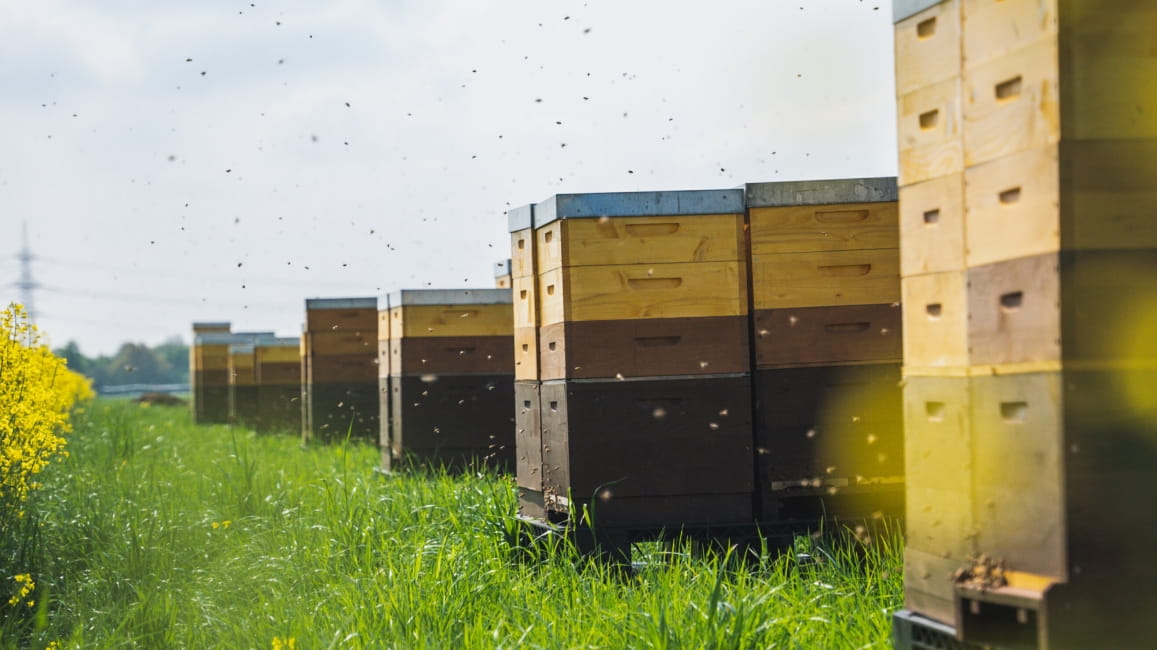
Germany’s honey market is Europe’s largest, but the vast majority of its 150,000 beekeepers are hobbyists, according to the German Beekeepers’ Association. The duo are among the handful doing it professionally, competing against bulk producers who can sell for less.
For Florian, trust and transparency are what set a small producer like Grega’s Imkerei apart from the crowd. “Especially with natural products, customers want to know exactly what they are buying,” he said. “Independent tests and clear communication provide confidence and set us apart.”
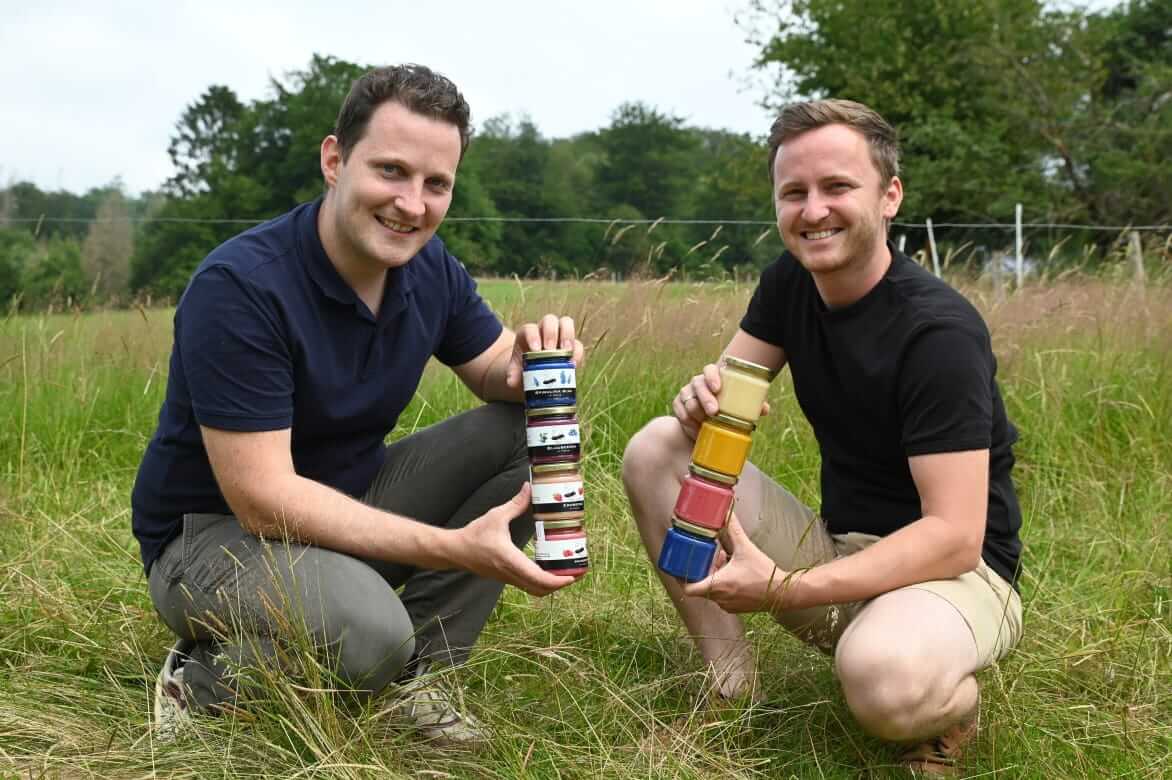
Their product range includes monofloral honeys, spiced specialties, bee propolis, beeswax and honey-infused natural cosmetics. Most are produced in North Rhine-Westphalia.
Products are tested in independent laboratories using DNA-based pollen analysis to verify origin and ensure there are no artificial additives. Several products also carry the “very good” rating from German institute Dermatest, which tests cosmetics and skincare for skin compatibility.
Reaching buyers beyond the base
Temu’s Local Seller Program launched in Germany in 2024, letting domestic businesses reach new customers, and sell and fulfill orders locally. It added a category for food products in July 2025 and Grega’s Imkerei opened its storefront shortly after. Sellers listing food products on Temu undergo vetting and their listings are reviewed against applicable food safety and regulatory standards.
Grega’s Imkerei was among the first honey producers to list on Temu in Germany. That early move helped the brand stand out. “We were able to seize the opportunity to achieve high visibility,” said Florian.
Florian says that on Temu, the business has been able to test new products and gauge demand faster than on other marketplaces. This gives them quicker insight into what customers actually want and what’s worth producing at scale.
From discovery to loyalty
Some of those first-time buyers on Temu are also coming back for more, making repeat purchases on the platform. Others even contact Grega’s Imkerei directly with feedback on the products and customer service.
Leon said sales on Temu have shown there is demand for artisanal, small-batch products on the platform. “Customers react very positively when they know they’re buying directly from the beekeeper,” he said.
An Ipsos survey found that 29% of German Temu shoppers say they are more willing to try new products on the platform. For a small producer selling artisanal honey and bee products, that openness is everything. “The number of first-time buyers we got confirms that Temu is an excellent place for discovery,” said Leon.
What’s next
Florian and Leon are now looking to expand what they offer on the platform, including adding limited-edition and seasonal products. Grega’s Imkerei already sells to other EU countries via its online shop, and they are exploring whether Temu could open up additional markets.
Even as they grow, Florian said the fundamentals of the business will remain the same. “Focus on quality and honest product descriptions. The rest will follow.”