German food brands: a guide to iconic food products from Germany
Discover German food brands, from Haribo and Dr. Oetker to Ritter Sport, Tchibo and Kühne. Explore German groceries, snacks, beverages and pantry staples.
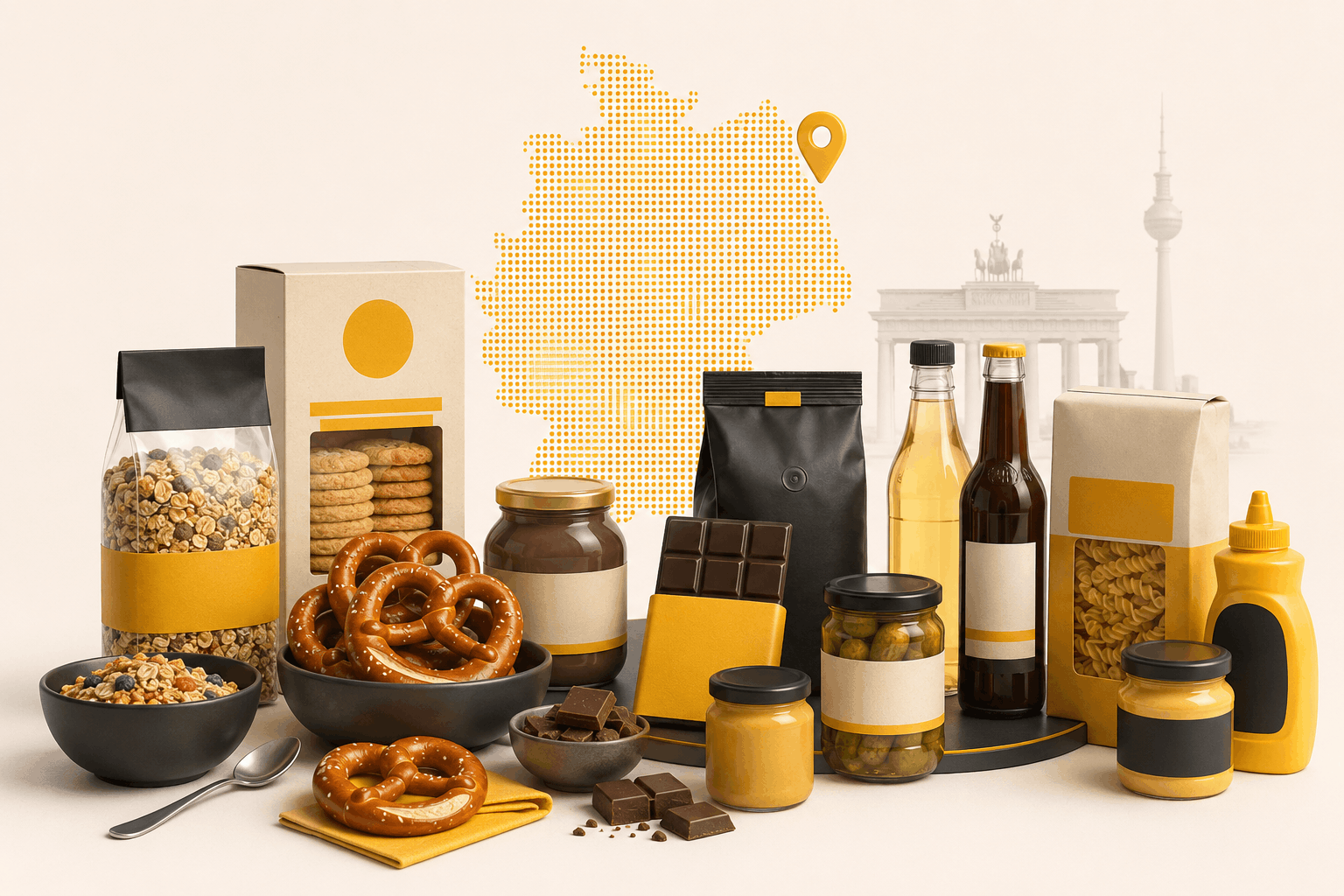
German food is far more varied than pretzels, sausage and beer. Germany has built global brands around chocolate, candy, coffee, baking, pickles, snacks and organic grocery products. Many started as local family businesses, then became familiar sights in supermarkets, specialty stores and import shelves worldwide.
This guide covers German food brands worth knowing, what they sell and where they fit on a modern grocery shelf.
You’ll learn
- Which German food brands are known far beyond Germany
- Which category each brand represents, from chocolate and candy to coffee and pantry staples
- What makes German groceries stand out in supermarkets and specialty stores
- Which brands suit consumers looking for authentic German food products
German food brands at a glance
German brands often succeed because they make familiar products feel specific. A square Ritter Sport chocolate bar, a Haribo gummy, a Bahlsen biscuit or a jar of Kühne pickle has a recognizable format, taste and packaging.
Germany’s food sector remains one of Europe’s largest manufacturing categories. It includes global exporters, regional producers, supermarket own-label suppliers and brands that focus on one specialty for decades. Some food products travel well because they suit everyday grocery shopping. Others become an imported treat for consumers in North America, the UK, Australia or specialty retailers across Europe.
The brands below are not a strict “best of” ranking. They represent different parts of German cuisine, retail culture and consumer taste.
German food brands by category
Dr. Oetker: best for baking, frozen food and everyday dessert staples
Dr. Oetker is one of the most recognizable German food brands because it has a place in several grocery categories at once. The company is associated with baking powder, cake mixes, pudding, pizza, frozen dessert, muesli, cake decorations and pantry products.
For many consumers, Dr. Oetker is a staple brand rather than a premium specialty. It helps people bake a cake, prepare a dessert or choose a fast meal without starting from scratch. The brand has also expanded beyond traditional baking products, which explains why it appears in so many supermarkets across Germany and abroad.
Its strength is familiarity. A shopper may not buy the same product every week, but they recognize the red-and-white packaging and understand where it belongs on the shelf. That kind of clarity matters in crowded grocery categories.
Dr. Oetker also reflects a wider German preference for practical food products that still feel reliable enough for home cooking. A packet of baking powder, a pizza base or a dessert mix may not feel glamorous, but it earns repeat purchases because it makes the kitchen routine easier.
Haribo: best for iconic German candy
Haribo is one of the most famous names in German candy. Founded in Bonn in 1920, the brand name comes from HAns RIegel BOnn. Its fruit gummies and liquorice have become a global reference point for the category.
The Goldbear is the obvious iconic product, but Haribo’s range goes well beyond one gummy shape. The brand sells sour, fruity, chewy and flavored candy in formats that vary between markets. German consumers may find varieties that are unfamiliar in North America, while international shelves often carry a narrower selection.
Haribo works because the brand balances consistency with novelty. The core products remain familiar, but seasonal editions, limited packaging and local flavor variations keep the category active. A bag of gummies is often a low-cost treat, which makes it easy for shoppers to add to a grocery basket without much thought.
For consumers exploring authentic German groceries, Haribo is usually the easiest entry point. It is not a gourmet product, but it is a strong example of how a simple candy brand can become part of everyday culture.
Ritter Sport: best for square chocolate with strong flavour identity
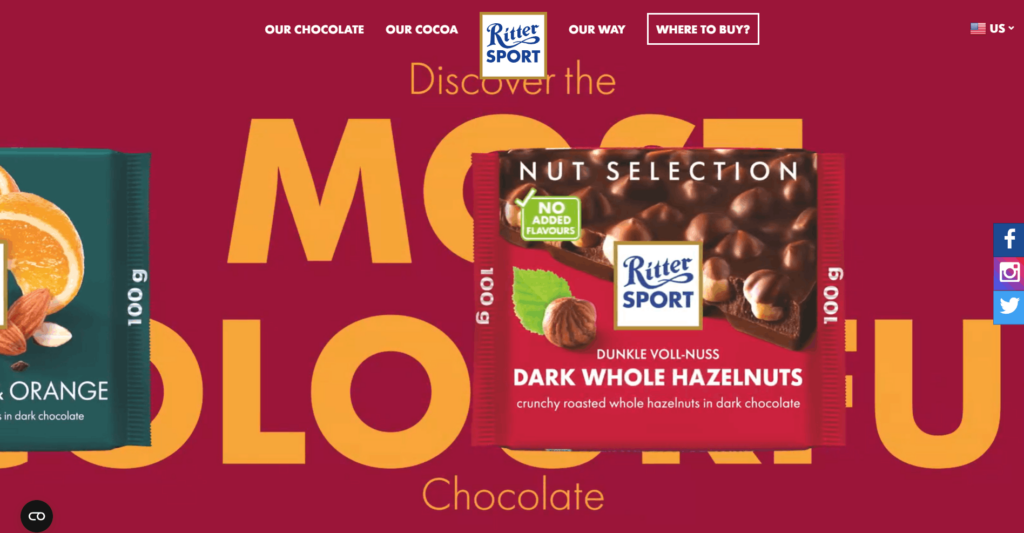
Ritter Sport stands out because its chocolate format is instantly recognizable. The square bar has become the brand’s visual signature, but the product range also matters: milk chocolate, dark chocolate, marzipan, almond, hazelnut, peanut and seasonal flavor combinations all appeal to different buyers.
The brand is a useful example of German confectionery with a clear identity. It does not try to compete only on luxury packaging or novelty. Instead, it focuses on a practical, colorful product format and a broad selection of chocolate varieties.
Ritter Sport is often a favourite for shoppers who want a more substantial chocolate bar than a small candy treat. The square shape also makes it easy to share, portion or keep in a desk drawer. Some varieties are creamy and sweet, while others lean more bitter or nut-forward.
The company has also made sustainability part of its public positioning, especially around cocoa sourcing. For buyers, that does not remove the need to read product information carefully, but it gives the brand a stronger story than chocolate alone.
Bahlsen: best for biscuits, cookies and chocolate-coated snacks
Bahlsen is one of the better-known German biscuit brands. Its Leibniz butter biscuit remains a classic, but the company also sells chocolate-coated snacks, cookies, wafers and seasonal confectionery.
The brand has a long connection to German grocery culture. Its products sit somewhere between an everyday snack and a small premium treat. A simple biscuit can pair with coffee, work as a lunchbox addition or become part of a dessert plate.
Bahlsen also shows how packaging can carry heritage. The Leibniz name, familiar yellow box and clear product format make the brand easy to recognize even for consumers who do not know its history.
For shoppers outside Germany, Bahlsen can be easier to find through an importer, a specialty supermarket or an international grocery warehouse than through a standard convenience store. That is partly because biscuits travel well, have a long shelf life and appeal to consumers who want a familiar European-style snack.
Tchibo: best for coffee, grocery retail and everyday beverage culture
Tchibo is more than a coffee brand. It combines roasted coffee, retail shops, online sales and changing non-food collections. Still, coffee remains its core food product and the reason many consumers know the brand.
The company sells coffee through shops, supermarkets, online channels and retail partners. This gives it a broad consumer reach across Germany and other markets. Tchibo coffee may feel familiar in a supermarket aisle, but the brand also uses retail spaces to create a more lifestyle-led experience around the beverage category.
Coffee matters in German grocery culture because it is not only a morning drink. It is part of hospitality, work routines and weekend rituals. A coffee brand therefore competes on taste, roast profile, packaging, price and trust.
Tchibo is useful in this list because it shows how a German food brand can move beyond one product category. It sells coffee, but it also sells an experience around coffee. For consumers, that can mean espresso beans, ground coffee, coffee machines or seasonal offers.
Weihenstephan: best for dairy and traditional beverage heritage
Weihenstephan is associated with dairy products and brewing heritage. It is one of those German brands that feels especially tied to regional identity, even though its products may appear far beyond Bavaria.
In the food category, Weihenstephan is known for milk, cream, yogurt, butter and related dairy products. In the beverage space, its brewing heritage also gives it recognition among people interested in German beer.
The brand fits consumers who want a traditional German grocery item rather than a novelty snack. Its appeal is less about colorful packaging and more about association with quality, regional origin and familiar taste.
For a German food selection, Weihenstephan can be a useful choice when the focus is dairy, bakery pairings, breakfast products or classic meal ingredients. It also shows that German brands do not need to be global candy icons to have a strong market identity.
Hengstenberg and Kühne: best for pickles, mustard and pantry staples
Hengstenberg and Kühne belong in the pantry category. Both are strongly associated with pickle, sauerkraut, vinegar, mustard, cabbage products and preserved vegetables.
These brands matter because German cuisine includes more than baked goods and sweets. A jar of pickle, a spicy mustard or a pouch of sauerkraut can be part of a hearty meal, a sausage plate, a potato salad or a simple sandwich.
Kühne offers a broad range of pickles, pickled vegetable products, mustard, sauces, dressings, vinegar and sauerkraut. Hengstenberg is also closely linked to preserved vegetables and has added organic options across parts of its range.
For consumers outside Germany, these are often the brands that make a grocery basket feel more authentic German. They are practical, flavorful and easy to use. They can also be a useful way to explore traditional dishes without needing to cook a full regional recipe from scratch.
Lorenz: best for potato chips, salty snacks and casual sharing
Lorenz is a strong name in the German snack category. Its products include potato chips, crunchy snacks, nuts and savory options designed for casual eating, parties or movie nights.
The appeal is simple: salty snacks travel well across markets, and the brand has built recognition around familiar formats with distinct flavor choices. A chip may look like a standard product, but seasoning, texture and packaging can make a major difference in a crowded supermarket aisle.
Lorenz works well for shoppers who want a more European snack selection than standard crisps. Its portfolio often includes spicy, herb-based or cheese-inspired flavor profiles, alongside straightforward classics.
The brand also shows the difference between snack culture and confectionery. Candy is often about sweetness and a quick treat. Salty snacks are more connected to sharing, television, social occasions and drinks.
Katjes: best for vegan candy and plant-based confectionery
Katjes is one of the German brands that has changed its product story around plant-based candy. It sells fruit gums and liquorice, with a strong focus on vegan options.
The brand is useful for consumers who want a sweet snack but prefer to avoid gelatin. Its packaging, product names and marketing feel more playful than traditional confectionery, which helps it stand out in a category dominated by legacy brands.
Katjes also gives the German candy shelf a more modern feel. The company combines familiar formats, such as fruit gummies and liquorice, with vegan positioning and bold flavor combinations.
For a shopper looking for German groceries that suit vegan diets, Katjes can be one of the easiest brands to recognize. It is still candy, not a health product, but it gives consumers a clear alternative within the confectionery category.
Alnatura: best for organic grocery and vegan-friendly pantry products
Alnatura is one of the best-known organic grocery brands in Germany. Its selection covers plant-based foods, grains, muesli, baby food, dry goods, snacks, pantry staples and other products designed around organic standards.
The brand also operates supermarkets in Germany, which makes it more than a packaged food label. It represents a particular type of grocery shopping: organic, ingredient-conscious and often more focused on everyday staples than indulgent treats.
Alnatura products can suit consumers looking for vegan, vegetarian or organic options. A shopper might find muesli, honey, vegetable spreads, grains, dry pasta, plant-based drinks or snack products under the same brand.
It is not a single-product icon in the way Haribo or Ritter Sport is. Its value comes from breadth. Alnatura offers a practical grocery selection for people who want organic choices without turning every purchase into a specialty-store hunt.
Seeberger: best for premium nuts, dried fruit and natural snacks
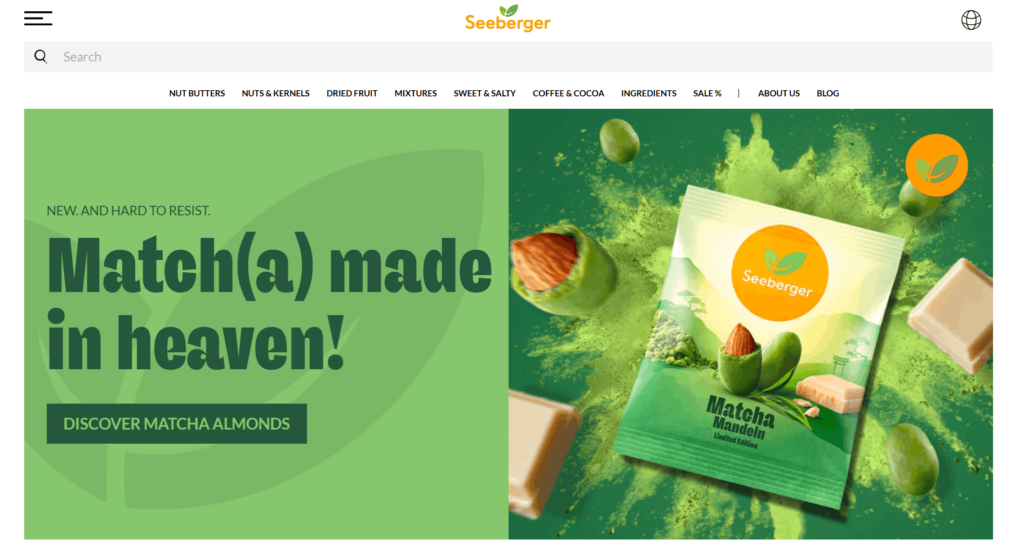
Seeberger is a German snack brand known for nuts, dried fruit, seeds and coffee. Its products often feel a little more premium than standard snack mixes, partly because the brand focuses on ingredient quality and a simple, natural presentation.
A bag of almonds, dried cherry pieces or a nut mix can serve different occasions: desk snacks, baking, hiking, breakfast bowls or entertaining. The products are not limited to one use, which makes them useful grocery staples as well as snack items.
Seeberger is also a good example of a brand where packaging supports the product story. The visual identity tends to signal quality and natural ingredients without becoming overly rustic or niche.
For consumers looking for a German food brand that feels closer to premium snacking than candy, Seeberger is a strong option. It can work in a gourmet selection, but it is still accessible enough for regular grocery shopping.
Food, grocery and supermarket culture in Germany
German supermarkets tend to balance practical shopping with category depth. A large store may have a broad bread selection, chilled dairy, frozen food, snacks, beverages, candy, bakery products and regional specialties. Discount retailers also shape the market, especially around price, private label and everyday staples.
This helps explain why German food brands often focus on clear product roles. Dr. Oetker helps consumers bake. Haribo owns fruit gummies. Ritter Sport owns square chocolate. Kühne and Hengstenberg help shoppers build a pantry around pickles, mustard and sauerkraut.
The strongest brands do not need to be everywhere in the store. They need to own a recognizable category.
For international consumers, German groceries can feel both familiar and specific. Bread, chocolate, coffee, pickle products and candy may exist in every market, but the packaging, flavor choices and serving habits can differ.
Seasonal German food, packaging and shelf appeal
Seasonal food matters in Germany, especially around Christmas, Easter and regional celebrations. Supermarkets often expand confectionery, cake, chocolate, marzipan, gingerbread, specialty beverages and gift packaging during these periods.
A seasonal shelf can reveal a lot about a brand. Haribo may introduce limited candy packs. Ritter Sport may release seasonal chocolate combinations. Bahlsen may add festive biscuit tins. Dr. Oetker may bring out bake-at-home products for holiday desserts.
Packaging plays a major role here. A consumer may buy the same food product because it feels more giftable, more festive or easier to share. For brands, this is where flavor, visual identity and shelf placement meet.
Seasonal products also create a useful opportunity for retailers and importers. They can build themed selections around authentic German food without relying only on everyday staples.
How to choose German food brands for a grocery selection
A good German grocery selection should include more than candy.
Start with one brand from each category
Choose one chocolate brand, one candy brand, one coffee or beverage brand, one snack, one pantry product and one organic or vegan option. This creates variety without filling the basket with similar products.
For example, a balanced selection could include Ritter Sport chocolate, Haribo candy, Tchibo coffee, Lorenz potato chips, Kühne mustard and Alnatura muesli.
Mix familiar products with one specialty
A known brand makes the selection easy to enjoy. A specialty product makes it memorable. Pair a familiar item such as Haribo with something more specific, such as sauerkraut, marzipan, potato dumplings, flavored mustard or a regional beverage.
Check ingredient lists and import availability
Imported food may come with translated labels, different packaging or altered formats. For products prepared for North American shelves, a nutrition label maker can calculate calories and nutrients from the recipe and serving size before packaging goes to print. Check allergens, shelf life, shipping conditions and whether a local importer handles the product.
This is particularly important for dairy, chilled food, beverage products and anything with delicate cream filling or short storage requirements.
Think about the occasion
A grocery basket for a casual snack night looks different from a gourmet gift box. Chocolate, biscuits, coffee and candy work well for gifting. Pickles, mustard, sauerkraut and bread mixes suit someone who wants to cook. Organic muesli, nuts and vegan candy fit a more everyday selection.
Why German food brands travel well beyond Germany
German food brands often succeed internationally because they are easy to understand. The product has a clear role. The packaging is recognizable. The taste is consistent. Many brands also balance heritage with new product formats, vegan options or seasonal editions.
Haribo sells candy in more than 100 countries. Dr. Oetker has built an international business around products that simplify baking and meal preparation. Tchibo combines coffee with retail reach. Ritter Sport has turned a square chocolate bar into a global visual cue.
The broader lesson is useful for food producers and retailers. A successful brand does not need to represent all of German cuisine. It needs to own one product idea clearly enough that consumers can recognize it in a crowded supermarket, specialty store or import selection.
Key takeaways
- German food brands cover far more than chocolate and candy, from coffee and baking products to pickles, organic grocery and premium nuts.
- Haribo, Ritter Sport, Dr. Oetker and Tchibo are strong global references, while Kühne, Hengstenberg, Alnatura and Seeberger show the depth of the German grocery market.
- A good German food selection should mix familiar treats with pantry staples, snacks and one or two specialty products.
- Packaging, seasonal editions and clear category positioning help German brands stand out on supermarket shelves.
- Imported German food is easiest to buy when consumers check labels, storage requirements, shelf life and local importer availability.
FAQ
What are the most famous German food brands?
Some of the best-known German food brands include Haribo, Dr. Oetker, Ritter Sport, Tchibo, Bahlsen, Kühne, Hengstenberg, Lorenz, Katjes, Alnatura and Seeberger. They cover candy, chocolate, coffee, baking, snacks, pantry food and organic grocery products.
What German food should I try first?
Start with one sweet item, one savory product and one drink. Haribo, Ritter Sport, Tchibo coffee, Lorenz snacks and Kühne pickles create a simple introduction to different German food categories.
Is German candy different from American candy?
Often, yes. German candy may use different flavor combinations, textures, packaging sizes and product formats. Haribo varieties can differ between Germany and North America, even when the brand name is the same.
Which German brands offer vegan food?
Katjes is known for vegan fruit gums and liquorice. Alnatura also offers a broad selection of vegan and organic grocery products, including muesli, snacks, pantry goods and plant-based food.
Which German food brands are good for gifting?
Ritter Sport, Haribo, Bahlsen, Tchibo coffee, marzipan products and premium Seeberger nut mixes can work well in a gift selection. Add one specialty item, such as flavored mustard or gourmet pickle products, to make the basket feel less generic.
Where can I buy German groceries outside Germany?
Look for international supermarkets, specialty grocery stores, European food shops and online importers. Larger retailers in North America may carry Haribo, Ritter Sport, Dr. Oetker, Tchibo and some German pantry brands, but the selection varies widely.