The Blueprint for High-Converting WhatsApp Marketing: 6 Campaign and Flow Best Practices
Written by
Editorial TeamPublished on
Learn 6 WhatsApp marketing best practices for e-commerce, including compliant opt-ins, approved templates, omnichannel flows and performance tracking. (Ad)
In a crowded digital marketplace, getting your brand noticed requires meeting your customers exactly where they spend their time. For European e-commerce businesses, that place is increasingly WhatsApp. With an average open rate hovering around 98%, WhatsApp is no longer just a personal messaging app – it has evolved into a vital, real-time channel for customer retention, conversational commerce, and rapid conversion.
However, because WhatsApp is a highly intimate space, standard broadcast tactics can quickly alienate users and lead to opt-outs. Success requires a sophisticated, highly compliant strategy.
To help you seamlessly integrate this channel into your broader marketing mix, consider these foundational best practices for building high-impact WhatsApp campaigns and automated flows.
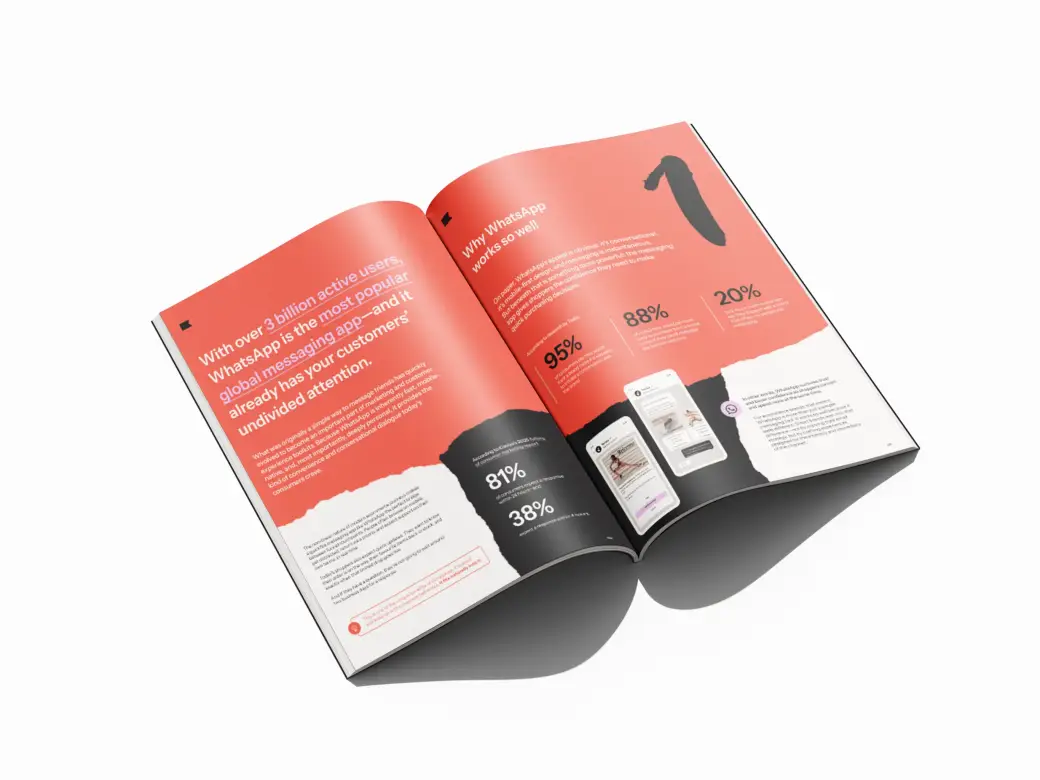
| Looking to launch your messaging strategy? Download Klaviyo’s Complete WhatsApp Guide for E-commerce to unlock the exact frameworks needed to scale this channel effectively. |
Number one: Build a Compliant Foundation
Before sending your first message, you must ensure your technical and legal frameworks are rock-solid. Meta enforces strict guidelines to maintain the quality of the WhatsApp ecosystem, particularly regarding GDPR compliance in Europe.
- Verify Your Account: Complete the business verification process via Meta Business Manager. Sharing valid legal documentation and enabling two-step verification is necessary to unlock higher daily messaging limits.
- Obtain Explicit Opt-Ins: WhatsApp requires active, unambiguous consent. Never assume email or SMS consent transfers over. Use dedicated two-step website pop-ups, checkouts, or post-purchase thank-you pages to collect explicit WhatsApp marketing opt-ins.
- Understand the Message Categories: Meta splits business messages into three distinct buckets: Marketing (promotions, product drops), Utility (shipping updates, transaction confirmations), and Service (customer-initiated support chats).
Number two: Leverage Approved Templates for Promotional Content
Any time a business initiates a conversation with a customer outside a 24-hour customer service window, it must use a pre-approved Meta message template.
To maximize engagement, your templates should consist of a structured combination of:
- Rich Media Headers: Capture immediate attention with high-quality product images, carousels, or video clips rather than simple plain text.
- Dynamic Content Blocks: Use personalization tokens (like first names or specific cart contents) to tailor the copy to the individual.
- Interactive Elements: Always include quick-reply buttons or direct call-to-action (CTA) links (e.g., “Shop the Sale” or “Track My Order”) to reduce friction and encourage immediate clicks.
Number three: Orchestrate a Seamless Omnichannel Mix
WhatsApp should never operate in a vacuum. Treating it as a standalone silo inevitably leads to customer fatigue if they receive identical offers across email and SMS at the exact same moment.
- Align Channel Strengths: Use email for long-form storytelling, educational content, and detailed receipts. Use SMS for urgent, text-only alerts. Reserve WhatsApp for media-rich, interactive, and high-visibility conversations.
- Stagger Your Communications: Create multi-day, multi-channel logic within your central CRM. For example, during a product launch, you might offer early access via WhatsApp to your highest-value VIPs first, followed by a broader announcement email to your entire subscriber base 24 hours later.
Number four: Prioritize High-Value, High-Intent Use Cases
Because every WhatsApp business conversation carries a cost per interaction, focus your initial efforts on low-hanging revenue opportunities rather than mass broadcast newsletters.
- The Abandoned Cart Rescue: If a user abandons their shopping basket, an automated email can deliver deep product reviews and social proof. If they still haven’t purchased a few hours later, a highly immediate WhatsApp nudge featuring a direct checkout link can close the sale.
- Post-Purchase Nurturing: Deliver post-purchase instructions or helpful product care tips via WhatsApp the day after delivery. This builds goodwill and transitions the interaction from purely promotional to genuinely helpful.
- Back-in-Stock and VIP Alerts: Use WhatsApp as a premium, high-touch channel. Inform your most loyal customers first when an exclusive product restocks or a limited-edition collection drops.
Number five: Lower the Barrier with Quick Replies and Conversational Automations
The true power of WhatsApp lies in its two-way capabilities. If a customer cannot reply to your marketing message, you lose half the value of the platform.
- Utilize Quick Replies: Provide interactive buttons that guide the customer toward common actions, such as asking for support, checking order status, or taking a product preference quiz.
- Automate the Next Steps: Ensure your marketing stack is configured to trigger automated follow-up messages instantly when a customer clicks a quick-reply button. This keeps the momentum going even outside standard business hours.
Number six: Monitor Early Performance Signals
The first few months of utilizing a new channel are critical for building a sustainable reputation with Meta. If users routinely block your number or report your messages as spam, your sender quality rating will drop, and your messaging capabilities may be restricted.
- Track Crucial Metrics: Closely monitor read rates, click-through rates, and opt-out percentages.
- Adapt and Test: If engagement begins to drop, immediately scale back your sending frequency and refine your target audience segmentation. Experiment with shortening your copy, changing media types, or tweaking your CTA button phrasing to see what resonates best with your specific demographic.
Elevate Your Digital Strategy
When executed thoughtfully, WhatsApp marketing bridges the gap between traditional automated messaging and modern conversational commerce. By blending data-driven personalization with immediate, interactive communication, brands can cultivate a highly engaged, loyal community that drives consistent e-commerce growth.
| Ready to design a messaging strategy that respects customer boundaries while maximizing ROI? Get your copy of Klaviyo’s E-commerce WhatsApp Guide to explore deep-dive structural blueprints, template compliance rules, and advanced segmentation strategies. |