Top 20 logistics providers in DACH [2026 update]
Choosing a logistics partner in Germany, Austria and Switzerland is no longer just a question of who can move a parcel from A to B. E-commerce businesses increasingly need a mix of parcel delivery, fulfilment, warehousing, returns, cross-border transport, freight forwarding, customs support and supply-chain visibility.
That is also why a list of DACH logistics providers needs more context than a simple ranking by company size. A global freight forwarder, a parcel carrier and a contract-logistics specialist solve different problems.
This 2026 update compares 20 providers with meaningful operations in the DACH region and highlights where each one is most relevant for e-commerce, retail and cross-border supply chains. For broader market-entry context, see our complete guide to the DACH e-commerce market in 2026.
Important: This is an editorial ranking, not a market-share ranking. The order reflects our methodology below, including DACH relevance, e-commerce usefulness, network scale, service breadth, technology and data transparency.
DACH logistics market in 2026: the numbers behind the ranking
The three DACH markets share a language connection, but their logistics environments are not identical.
In Germany, the courier, express and parcel (CEP/KEP) market handled 4.37 billion shipments in 2025, up 1.8% year over year. Sector revenue reached around €28.4 billion, while B2C shipments accounted for 60% of total KEP volumes. At the same time, German B2C e-commerce sales of goods reached €83.1 billion in 2025, an increase of 3.2%. For a broader demand-side view, read our update on German e-commerce growth in 2026.
In Austria, e-commerce expenditure reached a record €12.3 billion in 2026, according to Handelsverband and KMU Forschung Austria. Around 47% of that spending went to foreign providers, underlining how important cross-border logistics remains for the Austrian market. Returns are another operational factor: 54% of online shoppers surveyed had returned at least one order during the previous year. We cover the country in more depth in our Austrian e-commerce market 2026 overview.
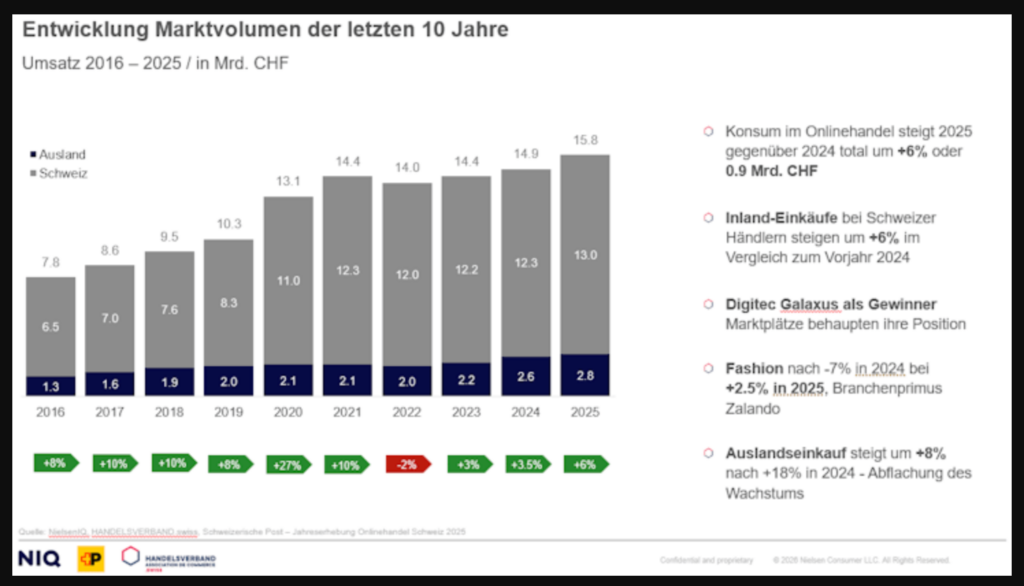
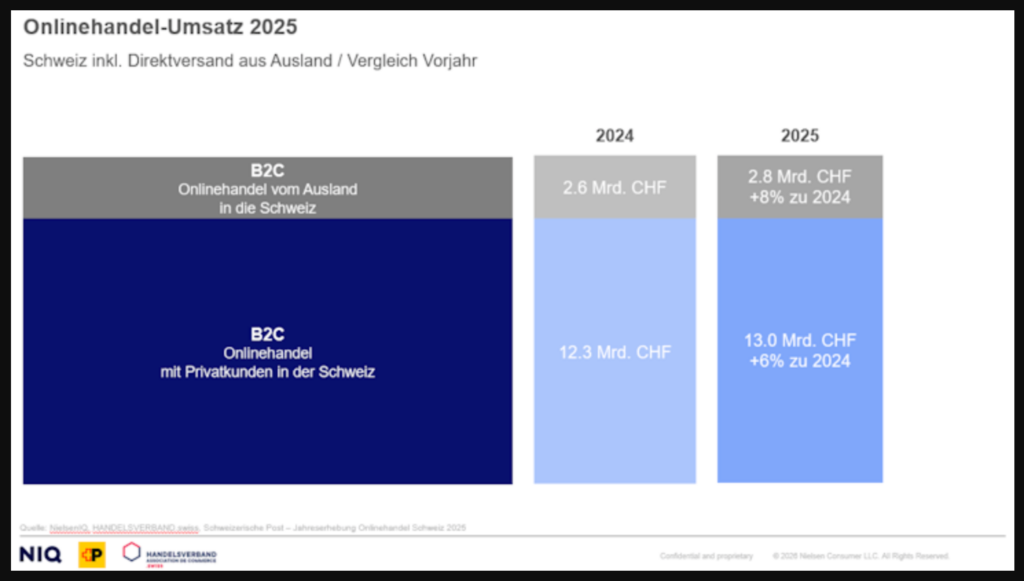
In Switzerland, consumers spent CHF 15.8 billion online in 2025, up 6%. Around CHF 13 billion went to domestic providers and CHF 2.8 billion to merchants abroad. For international sellers, Switzerland also adds a customs dimension because it is outside the EU customs union. See our Swiss e-commerce overview for more country-specific context.
How we selected the top DACH logistics providers
To make the comparison more consistent, we applied six criteria.
| Criterion | Weight | What we look for |
| Operational relevance in DACH | 25% | Real infrastructure, offices, hubs, warehouses or delivery operations in Germany, Austria and/or Switzerland |
| E-commerce and retail usefulness | 25% | Parcel, fulfilment, B2C, returns, omnichannel and cross-border capabilities |
| Network and infrastructure | 20% | Warehouses, depots, hubs, transport network, handling capacity and geographical reach |
| Breadth of services | 15% | Parcel, road, air, sea, rail, contract logistics, customs and value-added services |
| Technology and visibility | 10% | Tracking, APIs, integrations, automation, WMS/TMS, OOH and supply-chain visibility |
| Data transparency | 5% | Recent annual reports, corporate KPIs and verifiable operational information |
Inclusion rules
A provider must perform logistics operations, not only advise companies about them. It also needs a demonstrable operational connection to at least one DACH country.
We treat one corporate group as one ranking entry where appropriate. For example, FRIKUS is part of Lagermax Group, so this update evaluates the broader Lagermax network rather than counting the subsidiary separately.
The main financial cutoff is FY2025 or FY2025/26. Material developments from 2026 are included where they change ownership, network structure or customer relevance.
Looking beyond this ranking? You can also browse logistics, delivery and fulfilment companies in the E-commerce Germany Providers Finder.
Top 20 logistics providers in DACH: quick comparison
| # | Provider | HQ | DACH footprint | Best for | Main strengths | Latest scale indicator used |
| 1 | DHL Group | Germany | DE / AT / CH | Broad e-commerce logistics | Parcel, express, fulfilment, freight, supply chain | €82.9bn group revenue, FY2025 |
| 2 | DSV | Denmark | DE / AT / CH | International freight + contract logistics | Air, sea, road, warehousing, customs | Schenker integration; 90+ countries |
| 3 | Kuehne+Nagel | Switzerland | DE / AT / CH | Global freight and enterprise supply chains | Sea, air, road, contract logistics | CHF24.5bn net turnover, FY2025 |
| 4 | DACHSER | Germany | DE / AT / CH | European road freight + contract logistics | Groupage, food, air/sea, warehousing | €8.3bn revenue; 86.2m shipments, FY2025 |
| 5 | Rhenus | Germany | DE / AT / CH | Flexible 3PL and warehousing | E-commerce, warehousing, freight, value-added services | €8.2bn turnover; 1,300+ sites |
| 6 | FIEGE | Germany | Strong DE + European network | E-commerce fulfilment and omnichannel | Fulfilment, returns, marketplace services, transport | ~22,000 staff; ~4.5m m² logistics space |
| 7 | Arvato | Germany | DE / AT + cross-border CH service | High-volume fulfilment | Omnichannel, automation, returns, transport management | 71 European warehouses; ~2.5m m² |
| 8 | Gebrüder Weiss | Austria | DE / AT / CH | Central European transport + home delivery | Road, air/sea, home delivery, logistics | €2.73bn net revenue, FY2025 |
| 9 | Austrian Post | Austria | AT + international network | E-commerce parcels in Austria | Parcel delivery, OOH, e-commerce logistics | 232m parcels delivered in Austria, 2025 |
| 10 | Swiss Post | Switzerland | CH + cross-border links | Swiss parcel + fulfilment | Parcel, warehousing, fulfilment, goods logistics | 186.6m parcel consignments, 2025 |
| 11 | GLS | Netherlands/UK group | DE / AT / CH network | B2C parcel and cross-border Europe | Parcel, OOH, cross-border, freight/fulfilment extensions | €6bn revenue; 977m parcels, FY2025/26 |
| 12 | DPD | France / Geopost | DE / AT / CH network | Parcel shipping for SMEs and retailers | B2B/B2C parcel, OOH, international road network | 10,300+ parcel shops in Germany |
| 13 | Hermes Germany | Germany | Primarily DE | German B2C parcel delivery | Parcel, ParcelShops, delivery network | €1.73bn revenue; 17,000+ ParcelShops, FY2025/26 |
| 14 | UPS | United States | DE / AT / CH | Cross-border parcel + fulfilment | Parcel, customs, fulfilment, returns, visibility | Multi-site fulfilment + global parcel network |
| 15 | CEVA Logistics | France | DE / AT / CH | Enterprise 3PL | Contract logistics, freight, ground, customs | $18.3bn gross revenue; 11.5m m² warehousing |
| 16 | cargo-partner / NX Group | Austria / Japan | DE / AT / CH | International forwarding from Central Europe | Air, sea, road, rail, warehousing, visibility | €1.7bn turnover; 150+ offices, 2024 |
| 17 | Planzer | Switzerland | CH + neighbouring markets | Domestic Swiss logistics and B2C | Transport, warehousing, parcel, home services, 4PL | 6,800+ employees; 1.459m m² storage |
| 18 | Lagermax Group | Austria | AT / DE + CEE network | Regional logistics and specialised transport | Warehousing, forwarding, automotive, express | €760m revenue; 4,050 employees, FY2025 |
| 19 | Quehenberger Logistics | Austria | AT / DE + CEE network | Road transport + contract logistics | FTL/LTL, retail, warehousing, air/ocean | €602m revenue; 840,000 m² space, 2025 |
| 20 | Kintetsu World Express | Japan | DE / CH + European network | Air/sea freight for international shippers | Forwarding, customs, logistics | 18,351 employees; nearly 700 offices |
#1 DHL Group
Best for: businesses that want a broad combination of parcel delivery, express, e-commerce logistics, freight forwarding and contract logistics.
DHL Group remains the most comprehensive logistics ecosystem on this list. The group generated €82.9 billion in revenue in FY2025, while its Supply Chain division generated €17.8 billion and its eCommerce division €6.9 billion. For merchants, the real advantage is breadth: DHL can cover small-parcel delivery, international express, warehouse outsourcing and complex freight flows within one group.
The German market is particularly important because DHL also operates the Post & Parcel Germany business. For larger e-commerce companies, DHL Supply Chain adds warehousing, automation and fulfilment capabilities.
Why it stands out: few competitors can match DHL’s mix of parcel, express, forwarding and contract logistics in one network.
Check before choosing: identify which DHL division would actually own your operation. Pricing, onboarding and technology will differ between parcel, Express, eCommerce and Supply Chain.
#2 DSV
Best for: international shippers that need freight forwarding, European road transport and contract logistics at very large scale.
The biggest change since the 2023 version of this article is the ownership of Schenker. DSV completed its acquisition of Schenker on 30 April 2025, ending Schenker’s status as a Deutsche Bahn subsidiary. The integration has continued through 2026, including Germany, where Road and Contract Logistics began operating jointly under the DSV brand from January and the remaining Air & Sea, Fairs & Events and customs operations followed in February.
DSV reported in July 2026 that more than 60 countries were already fully integrated or undergoing integration, with the overall programme still expected to conclude by the end of 2026.
Why it stands out: the combination of DSV and Schenker creates an unusually dense road, air, sea and contract-logistics network.
Check before choosing: during a large integration, confirm the exact legal entity, IT setup, local account team and operational handovers relevant to your lanes.
#3 Kuehne+Nagel
Best for: international air and sea freight, enterprise supply chains and contract logistics.
Headquartered in Switzerland, Kuehne+Nagel is one of the clearest DACH-native global logistics players. In FY2025, the group generated CHF 24.5 billion in net turnover. The company reported 4.3 million TEU of sea-freight volume and 2.2 million tonnes of air freight, while Contract Logistics produced CHF 4.8 billion in net turnover.
Kuehne+Nagel describes itself as the global number one in sea and air logistics by volume. Its network covers almost 1,300 sites in close to 100 countries, giving DACH-based exporters and international merchants access to a broad global forwarding network.
Why it stands out: particularly strong for complex international freight where air, sea, road and contract logistics need to connect.
Check before choosing: smaller merchants looking primarily for domestic parcel delivery may find a CEP-focused carrier more appropriate.
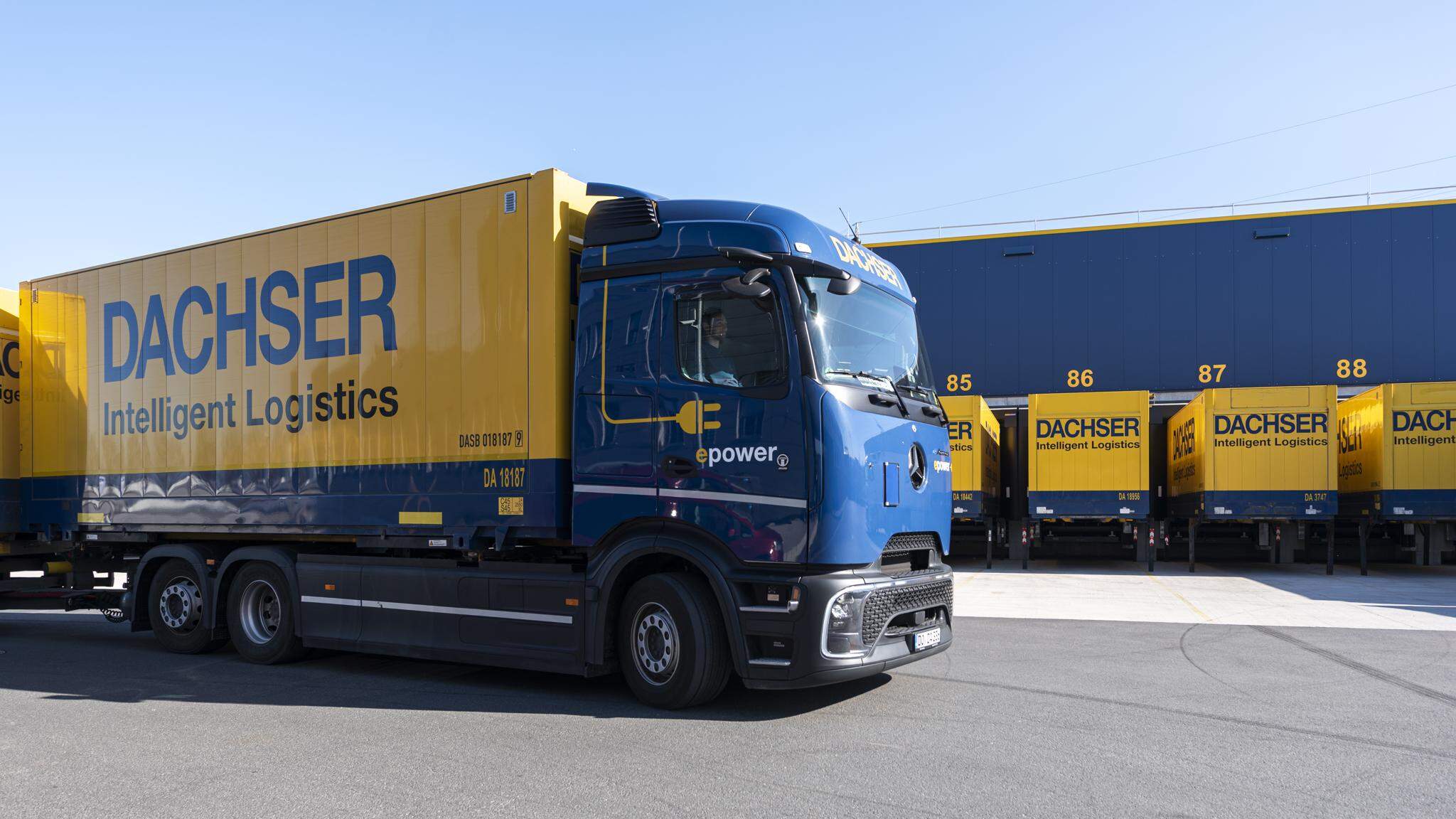
#4 DACHSER
Best for: European road freight, groupage, contract logistics and companies combining land transport with air or sea freight.
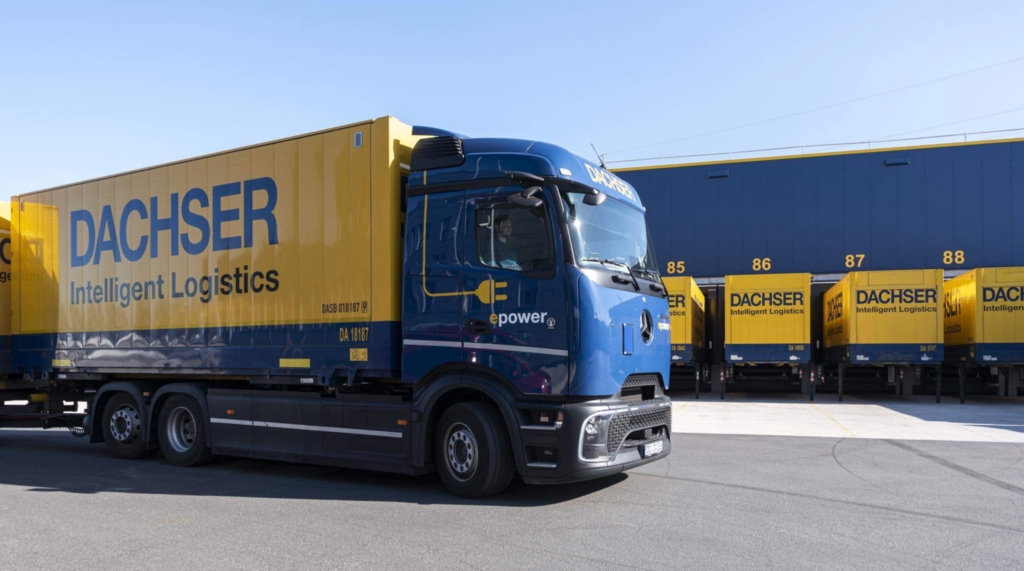
DACHSER increased revenue to around €8.3 billion in FY2025, with 86.2 million shipments and 46.7 million tonnes transported. The company has deep roots in Germany and an established network across the DACH region.
Its strongest differentiator is the connection between European Logistics, Food Logistics, Air & Sea Logistics and contract-logistics services. This makes DACHSER particularly relevant for manufacturers, wholesalers and retailers whose logistics involve pallets, groupage or regular European flows rather than only consumer parcels.
Why it stands out: a dense European land-transport network combined with warehousing and international forwarding.
Check before choosing: for a pure small-parcel D2C operation, compare DACHSER with parcel-first alternatives before deciding.
#5 Rhenus Logistics
Best for: companies looking for a flexible 3PL with strong warehousing, e-commerce and transport capabilities.
Rhenus reports €8.2 billion in turnover, around 39,000 employees and more than 1,300 sites in over 70 countries. Its warehouse network is especially relevant to this ranking: Rhenus lists 29 warehousing sites and around 1.5 million m² of warehouse space in Germany alone, including facilities serving e-commerce, fashion, FMCG and pharmaceuticals. It also operates warehousing capacity in Switzerland.
Rhenus combines warehousing with road, air and ocean transport and a range of value-added services, making it a strong alternative to the largest listed global forwarders.
Why it stands out: substantial contract-logistics infrastructure without being limited to one transport mode.
Check before choosing: compare the exact Rhenus business unit and location, because service specialisations vary across the decentralised network.
#6 FIEGE
Best for: e-commerce fulfilment, omnichannel retail, returns and businesses that want a European contract-logistics specialist.
FIEGE is one of the most important omissions from the old list. The German family-owned logistics company combines fulfilment, transport and digital services with a large European warehousing footprint. Current corporate pages put the network at roughly 22,000 employees, more than 130 locations and around 4.5 million m² of logistics space.
For retailers, its relevance goes beyond storing inventory. FIEGE offers shop and marketplace integration, B2B and B2C fulfilment, parcel shipping, value-added services and structured returns management.
Why it stands out: strong operational fit for brands that sell through several channels and need fulfilment plus returns rather than forwarding alone.
Check before choosing: establish whether your required volumes and SKU complexity fit a multi-client solution or require a dedicated operation.
#7 Arvato
Best for: high-volume fulfilment, omnichannel retail and brands requiring automated European distribution.
Arvato operates one of Europe’s larger fulfilment networks. Its current location overview lists 71 European warehouses with around 2.5 million m² of space, including 20 German sites with just over 1 million m² and two sites in Austria.
The company is especially relevant to e-commerce because its offer combines fulfilment, transport management, returns and value-added services. A 2026 example is its agreement to take over key logistics and fulfilment processes for eyewear retailer Mister Spex across Germany, Austria, the Netherlands, Sweden and Switzerland.
Why it stands out: large-scale, technology-heavy fulfilment for multi-market retailers and consumer brands.
Check before choosing: it is primarily an enterprise solution; smaller sellers should confirm minimum volumes and implementation economics early.
#8 Gebrüder Weiss
Best for: DACH and Central European road transport, international freight and home-delivery logistics.
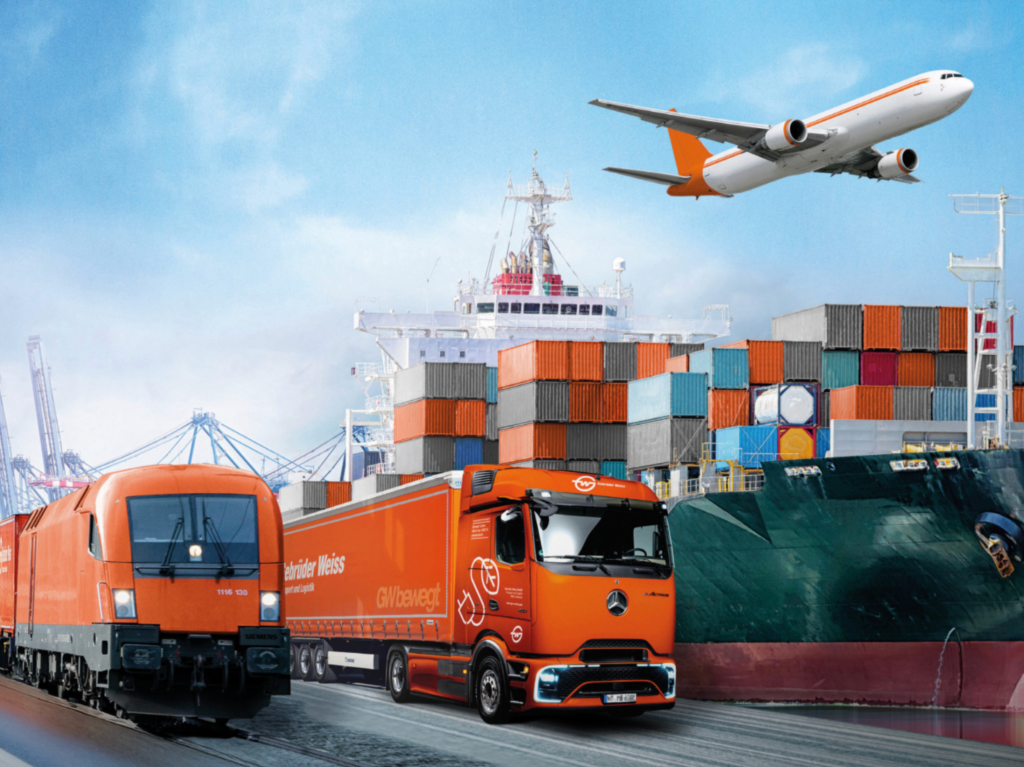
Austria-based Gebrüder Weiss generated €2.73 billion in net revenue in FY2025 and employed around 8,600 people. The company combines land transport, air and sea freight, logistics solutions and a home-delivery operation.
Its location and heritage make it particularly relevant to businesses moving goods between the DACH countries and Central/Eastern Europe. In 2025, the company reported 1.36 million home-delivery consignments and continued investing in network capacity, automation and sustainability.
Why it stands out: a strong Central European network with both B2B transport and consumer-facing home delivery.
Check before choosing: home-delivery coverage and service level can be market-specific, so validate postcode coverage and handling requirements for bulky goods.
#9 Austrian Post
Best for: e-commerce parcels and last-mile delivery in Austria.
For merchants selling into Austria, Österreichische Post belongs on any serious shortlist. In 2025, the group generated €3.04 billion in revenue and reported delivering 232 million parcels in Austria, 98% of them within two days. The group has also expanded its international e-commerce footprint beyond Austria.
Its strengths are the density of its domestic network, delivery familiarity among Austrian consumers and a growing parcel and logistics business.
Why it stands out: it is the home-market postal and parcel network with nationwide Austrian reach.
Check before choosing: international fulfilment and freight requirements may still call for a complementary 3PL or forwarder.
#10 Swiss Post
Best for: parcel delivery, warehousing and fulfilment inside Switzerland.
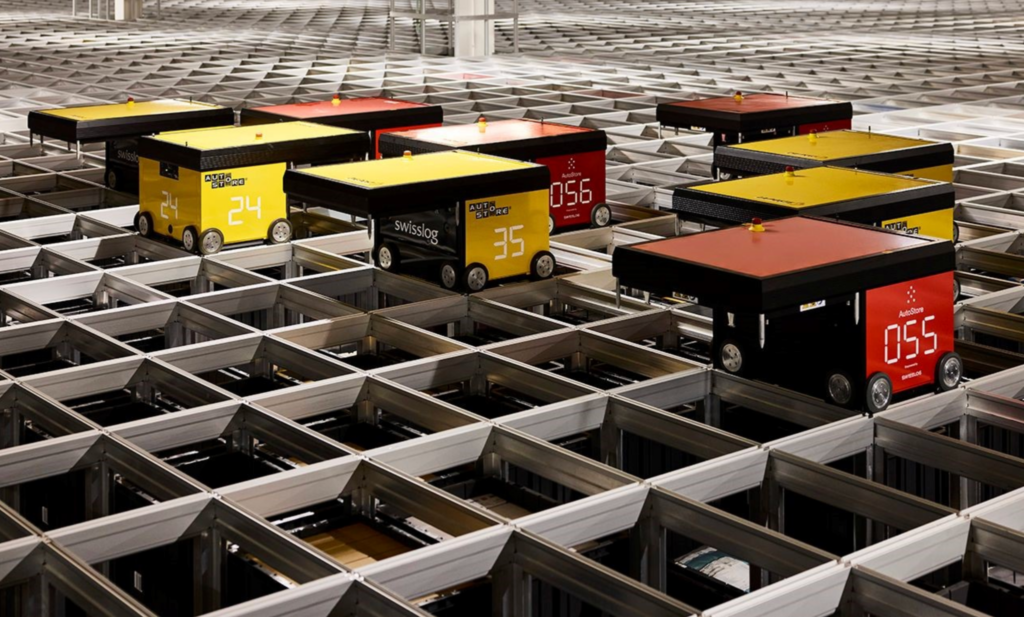
Swiss Post handled 186.6 million parcel consignments in 2025, up 3.7%. It is also pushing deeper into warehousing and e-commerce fulfilment. Its new Villmergen logistics centre offers 57,000 m² of warehouse space, highly automated storage and capacity to process up to 4 million parcels and 370,000 pallets per year.
For international e-commerce companies entering Switzerland, a provider with local parcel and warehousing capabilities can reduce operational complexity around inventory, domestic distribution and returns.
Why it stands out: a strong domestic parcel network combined with a growing fulfilment and goods-logistics proposition.
Check before choosing: cross-border customs design should be evaluated separately from the domestic delivery contract.
#11 GLS
Best for: B2C parcel delivery and cross-border European shipping.
GLS Group generated €6 billion in revenue and transported 977 million parcels in FY2025/26. It operates around 115 hubs and more than 1,700 depots and agencies across its network. B2C represented 63% of group parcel business in the same fiscal year.
For DACH e-commerce, one of the most relevant developments is out-of-home delivery. GLS has been expanding parcel shops and lockers, including collaboration with DPD in Germany to increase shared pickup and locker access.
Why it stands out: a parcel-first European network with substantial cross-border and OOH capabilities.
Check before choosing: compare service levels country by country, especially if your mix includes both high-volume B2C and heavier B2B freight.
#12 DPD
Best for: SMEs and retailers that need B2B/B2C parcel delivery across Germany and Europe.
DPD celebrated 50 years in the German market in 2026. The company positions its current offer around B2B, international parcel shipping, SMEs and out-of-home delivery. Its German network includes more than 10,300 parcel shops, while its broader European pickup network extends much further.
The OOH network is a key part of DPD’s current strategy. Together with GLS, DPD is also building a shared carrier-neutral locker and pickup-point proposition in Germany.
Why it stands out: a mature European parcel network with strong business-shipping heritage and increasingly flexible B2C delivery options.
Check before choosing: if you need warehousing or complex fulfilment as well as parcel delivery, you may need a separate 3PL.
#13 Hermes Germany
Best for: B2C parcel delivery in Germany and merchants that value a dense ParcelShop network.
Hermes Germany generated €1.73 billion in revenue in FY2025/26. As of March 2026, it reported nine logistics centres, around 45 depots, 5,500 direct employees, more than 10,500 delivery drivers and over 17,000 ParcelShops.
That makes Hermes particularly relevant for German online retail, where home delivery and alternative pickup points need to work together.
Why it stands out: strong consumer parcel recognition and one of Germany’s largest ParcelShop footprints.
Check before choosing: Hermes Germany is most compelling for German parcel operations; broader freight or multi-country fulfilment typically requires additional partners.
#14 UPS
Best for: international parcels, customs-heavy cross-border trade and businesses that want parcel plus outsourced fulfilment.
UPS combines its parcel network with Supply Chain Solutions, including warehousing, distribution, customs brokerage and e-commerce fulfilment. Its e-commerce offer covers receiving, stock management, picking, packing, shipping, returns and integrations via APIs, EDI and shopping-cart systems.
That combination is valuable for DACH sellers expanding internationally, particularly when customs and parcel delivery need to sit closer together.
Why it stands out: end-to-end connection between international parcel, customs expertise and fulfilment technology.
Check before choosing: confirm which fulfilment sites and service levels are available for your specific DACH origin and destination mix rather than assuming every UPS capability is local to every market.
#15 CEVA Logistics
Best for: enterprise contract logistics and multimodal supply chains.
CEVA Logistics reports $18.3 billion in gross revenue, 110,000 employees, around 1,700 facilities and 11.5 million m² of contract-logistics warehouse space. Its service range covers contract logistics, air, ocean, ground and rail, finished-vehicle logistics and customs.
CEVA is therefore much more than the motorsport association that featured in the older version of this article. For DACH businesses, the relevant story is its broad 3PL capability, especially in consumer and retail, healthcare, automotive and technology.
Why it stands out: large-scale contract logistics combined with freight management across modes.
Check before choosing: this is primarily an enterprise provider; implementation scope and governance should be defined carefully at tender stage.
#16 cargo-partner / NX Group
Best for: Central European businesses needing air, sea, road and rail forwarding with warehousing and supply-chain visibility.
Vienna-founded cargo-partner has been part of Nippon Express Group since January 2024. Its latest published company profile lists more than 150 offices, over 3,800 employees in 35 countries and €1.7 billion in turnover for 2024.
The ownership change is now operationally relevant. In July 2026, cargo-partner and Nippon Express consolidated their Austrian organisations into a single legal entity, following physical integration in late 2025. The Austrian operation has more than 500 employees and handles around 228,000 shipments per year.
Why it stands out: strong Central European roots plus a much larger global network through NX Group.
Check before choosing: branding and legal entities are still evolving in some markets, so verify the contracting entity for multi-country tenders.
#17 Planzer
Best for: domestic Swiss transport, warehousing, parcel delivery, home services and 4PL.
Planzer is one of the strongest Swiss-specific additions to this list. The family-owned company reports more than 6,800 employees and around 1.459 million m² of storage space. Its services include B2B transport and warehouse logistics as well as Planzer Parcel, Planzer Home Services and 4PL supply-chain solutions.
The company also has operations beyond Switzerland, including neighbouring Germany, France, Italy and Liechtenstein, but its strongest differentiation remains its domestic Swiss network.
Why it stands out: deep Swiss logistics coverage across B2B, B2C and warehousing.
Check before choosing: for global air and ocean forwarding, compare Planzer’s partner/network model with a global forwarder if those lanes dominate your supply chain.
#18 Lagermax Group
Best for: Austrian and Central/Eastern European logistics, specialised transport and warehousing.
Lagermax Group generated €760 million in revenue in FY2025 and employed around 4,050 people. The group operates a broad portfolio spanning freight forwarding and logistics, automotive logistics, express and parcel services and specialist segments.
This entry also resolves an issue in the previous list: FRIKUS is part of Lagermax Group, so ranking the broader group gives readers a better picture of available scale and services.
Why it stands out: a diversified Austrian logistics group with a strong Central and Eastern European footprint.
Check before choosing: identify the specialist subsidiary that will run your operation, as the group’s capabilities are spread across distinct business lines.
#19 Quehenberger Logistics
Best for: road transport, retail logistics and contract logistics across Austria, Germany and Central/Eastern Europe.
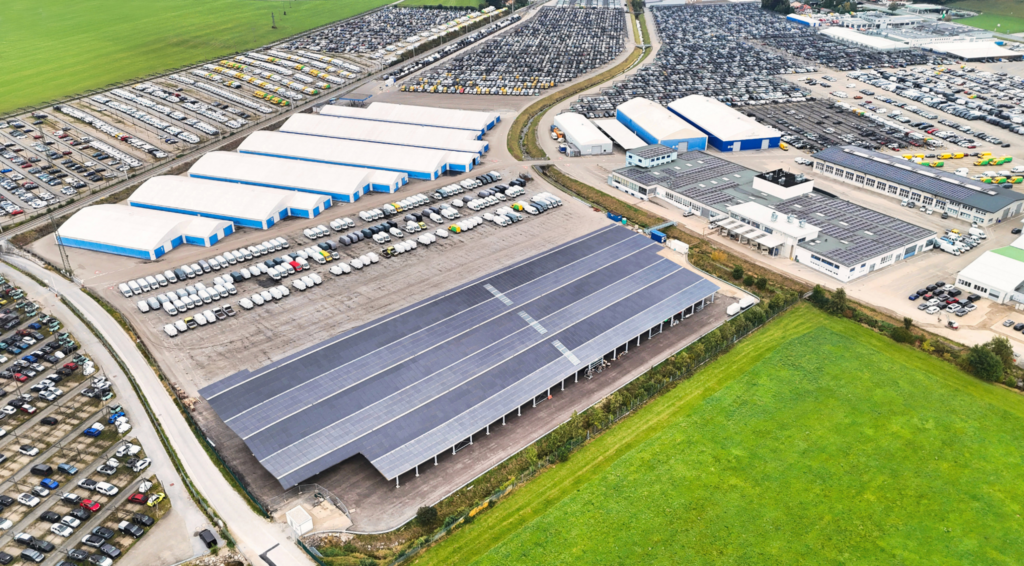
Quehenberger reported €602 million in consolidated revenue for 2025, around 4,000 employees including temporary workers, 69 locations and 840,000 m² of handling and warehouse space as of April 2026.
The company combines transport management with contract logistics, retail expertise and air/ocean forwarding. Since 2023, German Geis Group has held a 66% majority stake, with further integration taking place in 2024.
Why it stands out: a sizeable regional network that sits between local specialists and the largest global forwarders.
Check before choosing: compare lane density carefully if your network extends far beyond Quehenberger’s strongest Central European markets.
#20 Kintetsu World Express
Best for: international air and sea freight, customs and logistics for globally connected DACH businesses.
Kintetsu World Express (KWE) remains on the updated list, but for a clearer reason than before: it is a substantial global forwarder rather than a DACH-native parcel provider. As of 31 March 2026, KWE reported 18,351 employees on a consolidated basis and nearly 700 offices in more than 300 cities.
Its core services include air, sea and land freight forwarding, customs brokerage and logistics. That makes it most relevant for international supply chains, particularly where high-value or time-sensitive cargo moves between DACH and Asia.
Why it stands out: a large global forwarding network with especially strong Asia connectivity.
Check before choosing: local e-commerce parcel and OOH requirements are usually better served by a parcel specialist.
Best logistics providers in DACH by use case
The overall ranking is useful for orientation, but the best provider depends on the job.
Best for parcel and last mile
For broad parcel coverage, start with DHL, GLS, DPD, Hermes, Austrian Post and Swiss Post. In Germany, compare home-delivery performance with the size and convenience of OOH networks. In Austria and Switzerland, the domestic postal operators deserve particular attention because of their local reach.
Best for e-commerce fulfilment
For outsourced warehousing, pick-pack, returns and omnichannel operations, shortlist DHL Supply Chain, FIEGE, Arvato, Rhenus and CEVA. UPS can also be relevant where fulfilment needs to connect directly to international parcel and customs capabilities. For a Germany-specific shortlist, compare our top fulfilment centres and logistics operators in Germany.
Best for international freight forwarding
For air and ocean freight, the strongest candidates in this list include DSV, Kuehne+Nagel, DHL Global Forwarding, CEVA, cargo-partner/NX and KWE. DACHSER and Gebrüder Weiss become particularly interesting when European road freight also matters.
Best for Austria
A strong Austria-focused shortlist is Austrian Post, Gebrüder Weiss, cargo-partner/NX, Lagermax and Quehenberger.
Best for Switzerland
For Swiss domestic operations and cross-border supply chains, compare Swiss Post, Planzer, Kuehne+Nagel, DHL, DSV and Rhenus depending on whether the priority is parcels, fulfilment or freight.
How to choose a logistics provider in DACH
A long provider list only gets you to the shortlist. Before signing, compare these operational factors:
- Your shipment profile. Parcel, pallet, bulky goods, temperature-controlled cargo and international freight require different networks.
- Country mix. A provider that is excellent in Germany is not automatically the best choice for Switzerland or Austria.
- Fulfilment requirements. Check receiving SLAs, cut-off times, inventory accuracy, peak capacity, marketplace compliance and value-added services. Our guide to modern fulfilment in Germany explains how automation and data are changing these operations.
- Returns. For fashion and other high-return categories, returns processing can be as important as outbound delivery. If reverse logistics is a major pain point, see our comparison of returns management software for DACH e-commerce.
- Technology. Ask about APIs, ecommerce-platform integrations, WMS/TMS access, tracking events, webhook quality and reporting.
- Commercial model. Compare surcharges, dimensional-weight rules, fuel mechanisms, peak fees, return costs, customs charges and minimum-volume commitments — not only headline transport rates.
- Contingency design. For material volumes, consider whether you need a second parcel carrier, alternative linehaul or multi-warehouse setup rather than a single-provider dependency. This is also where the location and redundancy of logistics hubs start to matter.
Providers from the previous list that are not in the new Top 20
Removing a company from the Top 20 does not mean it is an unsuitable provider. It means it did not score as highly under the 2026 methodology or is better treated as a specialist.
- HAVI → worth considering for foodservice and temperature-controlled supply chains.
- GOCELO → relevant to premium final-mile and white-glove delivery.
- Kopf + Lübben → a specialist forwarding option rather than a top-20 DACH-wide e-commerce platform.
- ITO Global Logistics → a medium-sized forwarding specialist.
- Cretschmar Cargo Süd → relevant for particular B2B and Mediterranean transport lanes.
- Livchem Logistics → specialist chemical, sample and dangerous-goods logistics.
- FRIKUS → now covered in this ranking through its parent, Lagermax Group.
- LEITNER Spedition, General Flex Transport, Trawöger and Verotrans → regional/specialist transport providers worth evaluating for the right lane or cargo profile.
- Navitrans → international forwarding specialist, but less directly relevant to the central e-commerce use cases in this methodology.
- SuCh Consulting → excluded from the operational-provider ranking because it is a supply-chain consulting firm rather than a logistics operator.
Other names that narrowly miss this version and may deserve consideration depending on the use case include FedEx, HAVI and specialist white-glove or sector-specific providers.
Related reading
- The complete guide to understanding the DACH market [2026 update]
- Top 20 fulfilment centres and logistics operators in Germany
- Austrian e-commerce market: what to expect in 2026
- European e-commerce overview: Switzerland
- Best returns management software for e-commerce in DACH
- Why logistics hubs are essential for e-commerce growth
- Browse e-commerce providers in the Providers Finder
FAQ
Who is the largest logistics provider in DACH?
There is no single answer unless “largest” is defined. By overall group revenue, DHL Group is by far the largest company in this ranking. DSV, Kuehne+Nagel and other global forwarders are also very large, but their financial reporting and service mixes differ, so revenue alone should not determine provider choice.
Which logistics provider is best for e-commerce in Germany?
For parcel delivery, DHL, GLS, DPD and Hermes are natural starting points. For outsourced fulfilment, FIEGE, Arvato, DHL Supply Chain and Rhenus are stronger comparisons. The best provider depends on volume, parcel profile, returns, cut-off times and required integrations.
Which providers are strongest in Austria?
Austrian Post is particularly important for domestic parcel delivery. Gebrüder Weiss, cargo-partner/NX, Lagermax and Quehenberger bring strong Austrian roots to freight and contract logistics.
Which providers are strongest in Switzerland?
Swiss Post and Planzer are particularly relevant for domestic logistics. Kuehne+Nagel is headquartered in Switzerland and is a major option for global freight. DHL, DSV and Rhenus can add broader international networks.
Do I need one logistics provider for all three DACH countries?
Not necessarily. A single 3PL can simplify contracts and data, but a multi-carrier setup can improve coverage, pricing and resilience. Many e-commerce companies combine a fulfilment provider with several parcel carriers and separate freight-forwarding capacity.
Final takeaway
The DACH logistics market is too diverse for “biggest company wins” to be a useful selection strategy.
For e-commerce businesses, the practical question is whether a provider can handle the exact combination of inventory, fulfilment, parcel delivery, returns, customs and cross-border transport required by the business.
Start with the use-case shortlist above, validate local capabilities in Germany, Austria and Switzerland, and compare total operational cost rather than transport price alone.
If you are actively building a shortlist, browse the E-commerce Germany Providers Finder for additional logistics, delivery and fulfilment vendors.