European Ecommerce Overview: Latvia
Gain insights into Latvia’s e-commerce . Our comprehensive overview covers market changes, consumer behavior, payment preferences, and more!
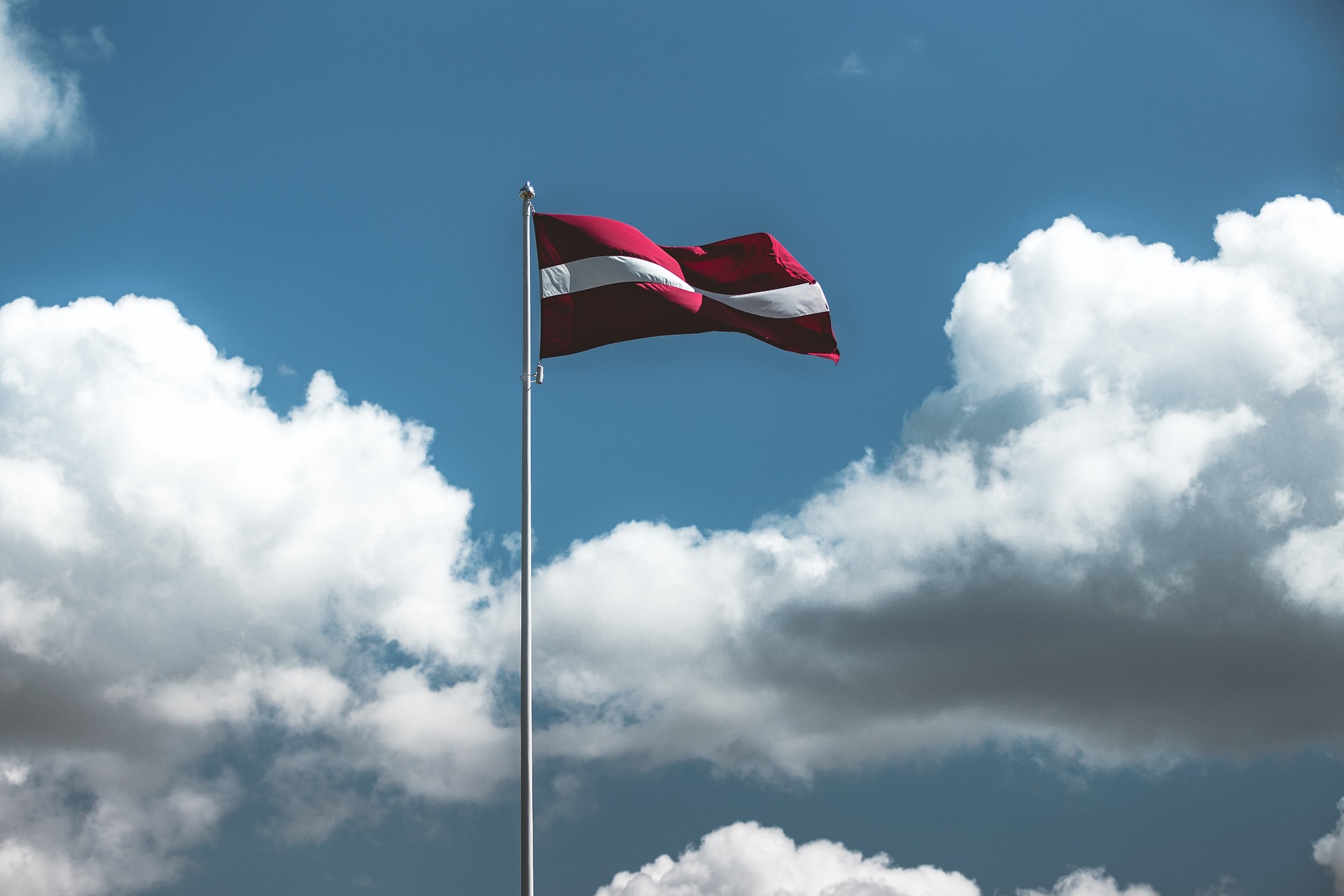
Latvia is one of the Baltic countries. It borders Estonia, Russia, Lithuania, and Belarus. It has access to the Baltic Sea from the West. Latvia is one of the smallest countries in Europe. Its capital and largest city is Riga, known for its rich cultural heritage and architecture. The country has a diverse landscape, including forests, lakes, and rivers, and is known for its historical sites, natural beauty, and vibrant traditions.
But what about e-commerce and online actions? How are e-commerce and consumers’ attitudes towards it? Do people shop online at all?
We will tell you more about it. Let’s start with the Latvian e-commerce overview.
E-commerce in Latvia – overview
Latvian e-commerce in 2026 feels quite different from larger European markets. It is smaller, more concentrated, and more practical in how people use it. At the same time, it is not early-stage anymore. Most consumers already know how to shop online. The growth now comes from frequency, convenience, and better infrastructure rather than first-time adoption.
The size of the market reflects that balance. Latvia’s e-commerce market is expected to reach around $814.6 million in 2026, up from about $789 million in 2025. Yes, not a huge number compared to Western Europe, but it shows steady movement. Forecasts suggest the market will grow to about $951.8 million by 2031, which means moderate but consistent expansion.

Growth is there already, but it is not explosive. Most projections point to around 3–5% annual growth going into 2026, which signals a stable, maturing market rather than a fast-scaling one. That slower pace comes from structural factors like population size, demographics, and already high internet usage.
What matters more is how widespread online shopping already is. Around 62% of the population shops online, which shows that e-commerce is already a normal part of consumer behavior. In fact, if you look at internet users only, the number is even higher, with about 77% of them making online purchases.
Another useful way to understand the market is its share of total retail. E-commerce still represents only around 5–10% of total retail sales, and this level is expected to remain similar into 2026. That gap shows there is still room to grow, especially compared to more mature markets.
So what does this mean in practice?
Latvian e-commerce is already well integrated into everyday life, but it still has space to expand. It is not a market where everything is saturated. It is one where habits are stable, infrastructure is improving, and growth continues quietly rather than dramatically.
Latvian consumers behavior
Consumer behavior in Latvia is shaped by a mix of digital familiarity and practical decision-making. People are comfortable shopping online, but they are not impulsive buyers. They tend to compare options, look for value, and often shop across borders if it makes sense.
A good starting point is overall adoption. Around 69.7% of individuals in Latvia used the internet to order goods or services in 2025, according to Eurostat data. That number places Latvia close to the European average and shows that online shopping is already a regular activity for a large part of the population.
If we narrow it down to internet users, behavior becomes even clearer. As mentioned earlier, about 77% of internet users have made online purchases, which means online shopping is not occasional anymore – more like routine. Such a level of engagement supports repeat purchases and stable demand across categories.
What people buy also tells an interesting story.
The most common categories include
- clothing,
- electronics,
- household goods,
- and travel services.
These aren’t niche categories as you can see. They are everyday items, which shows that e-commerce is replacing traditional retail in practical areas of spending.
At the same time, cross-border behavior is very strong. Around 64% of Latvian online shoppers buy from foreign websites, which is a much higher share than in many larger markets. This happens for two main reasons:
- wider product selection
- and often better pricing abroad.
Another interesting detail is how mobile fits into this behavior. Around 58% of total e-commerce value comes from mobile devices, showing that smartphones play a central role in browsing and purchasing. This influences everything from website design to checkout processes.
Also, to the most used online websites/stores, we can count such popular names as Amazon, 220.lv, AliExpress, e-Maxima or Barbora.lv.

Put together, Latvian consumers are experienced but careful. They shop online regularly, but they are… selective. They compare, they explore international options, and they rely heavily on mobile devices. This creates a market where trust, pricing, and availability matter more than hype.
Payment methods in Latvia
Payment behavior in Latvia sits somewhere between traditional and modern systems. The country has strong digital infrastructure, but consumer habits still show a mix of card usage, online banking, and a noticeable preference for cash in some groups.
Cards are the leading method in e-commerce. Around 46.35% of online transactions are completed using credit or debit cards, making them the dominant payment option. This aligns Latvia with broader European patterns, where card payments remain the standard for online purchases.

At the same time, online banking plays a major role. Local bank transfer systems are widely used, especially for domestic transactions. These systems are trusted, familiar, and often integrated directly into checkout processes, which makes them competitive with cards.
There is also a growing shift toward newer solutions. Buy now, pay later services are expanding, with projections showing steady growth of around 5% annually through 2031. This reflects a gradual move toward more flexible payment options, especially among younger consumers.
However, one detail stands out and often surprises people. Despite digital growth, around 29% of consumers still prefer cash payments, especially among older age groups. Even younger consumers use cash more than expected, which shows that trust in physical money remains part of the culture.
So the payment landscape is mixed. Cards lead, online banking is deeply embedded, and newer options are growing. But traditional habits have not disappeared. This creates a flexible system where consumers choose based on trust, convenience, and familiarity rather than following one dominant trend.
Latvian social media
Social media is deeply embedded in everyday behavior. By 2026, it plays a central role in how people communicate, discover products, and interact with brands. It is less about occasional use and more about constant presence.
The scale is already very high. Latvia has around 1.42 million social media users, which equals about 76.8% of the total population. That level of penetration means social platforms are one of the easiest ways to reach consumers across all age groups.

If we look at internet users, the picture becomes even clearer. Internet penetration is already at 93.9% of the population, meaning almost everyone online also has access to social media. In practice, this creates a very connected market where digital communication is the norm, not the exception.
Platform leadership is quite stable. The most widely used platforms include:
- YouTube
- TikTok
For example, YouTube reaches about 75.6% of the population, making it the top platform for content consumption and product discovery.
Facebook still holds a strong position as a communication and marketplace platform, with around 1.23 million users in 2026, or about 70% of the population.

At the same time, newer platforms continue to grow. TikTok reaches around 42.4% of the population, while Instagram stands at about 37.5%, both gaining traction especially among younger audiences.
What makes Latvia interesting is how social media fits into the buying journey. People do not always purchase directly on these platforms, but they rely on them heavily for:
- product discovery
- reviews and recommendations
- price comparison
- brand validation
Search engines still lead when people actively look for products, but social media often shapes the initial interest. Around 46.1% of consumers use social media as a source of information about brands, which shows how important it is in early decision-making.
Overall, social media in Latvia is not just a marketing channel. It is part of the decision process. Consumers use it to explore, compare, and validate before buying. In 2026, that behavior is stable and predictable, which makes it easier for brands to plan and optimize their presence.
Logistics in Latvia
Logistics in Latvia is one of the more interesting parts of its e-commerce ecosystem. It works well in some areas, especially in cities, but still shows limitations when you look at the full picture. This mix of efficiency and gaps defines how online retail operates in the country.
One of the strongest points is infrastructure in urban areas. Cities like Riga benefit from dense delivery networks and widespread parcel locker systems. In fact, Latvia has developed a strong locker-based delivery model, which helps support next-day delivery expectations in major cities.
This is important because consumer expectations are rising. Fast delivery is becoming a standard, especially for frequent online shoppers.
The growth of logistics is directly tied to e-commerce expansion. The market is expected to grow steadily, with projections showing around 3.16% CAGR between 2026 and 2031, reflecting stable demand for delivery and fulfillment services. This is a consistent growth, which matches the overall pace of the Latvian market.
Mobile-driven shopping also affects logistics. Since around 57.62% of e-commerce transactions come from smartphones, purchases tend to be more frequent and smaller, which increases delivery volume and puts pressure on last-mile systems.
Another key factor is geography.
Latvia has a relatively small population spread across both urban and rural areas. This creates a clear difference:
- cities benefit from fast and efficient delivery
- rural areas face longer delivery times and higher costs
Cross-border logistics also plays a big role. As mentioned earlier, a large share of consumers shop from foreign websites. This means logistics networks must handle both domestic and international deliveries, which adds complexity but also improves product availability.
At the same time, the system is still evolving. Challenges include:
- higher delivery costs outside cities
- limited same-day delivery options
- dependency on cross-border supply chains
Still, the direction is clear. Logistics in Latvia is becoming more efficient, more digital, and more aligned with consumer expectations. It is not perfect yet, but it is improving steadily, and that supports the overall growth of e-commerce.
To wrap up
Latvian e-commerce in 2026 is stable and structured. And quietly growing. Here, habits are already established and improvements happen step by step.
Consumers are experienced online shoppers. They compare prices, explore cross-border options, and rely heavily on mobile devices. Their behavior is practical and predictable, which makes the market easier to understand, but also more competitive.
Payments reflect a similar balance. Cards dominate, online banking is deeply integrated, and newer solutions like BNPL are slowly gaining traction. At the same time, traditional preferences like cash have not disappeared completely.
Social media plays a strong supporting role. It influences decisions, helps consumers discover products, and builds trust before purchase. Platforms like YouTube, Facebook, and TikTok are not just communication tools. They are part of the buying process.
Logistics continues to improve, especially in urban areas. Faster delivery, parcel lockers, and better infrastructure are raising expectations, even though rural coverage still needs development.
Overall, Latvia is not a market where everything is already optimized. It is a market where systems work, but still have room to improve. That creates opportunities for companies that can adapt to local behavior, focus on efficiency, and deliver consistent customer experience.
If you are interested in the East European market, here you can read about Lithuanian e-commerce.